Tag: Cultural Landscape Traces

  • Military heritage and cultural landscape: results of the expert workshop in Kostrzyn nad Odrą

    Military heritage and cultural landscape: results of the expert workshop in Kostrzyn nad Odrą

    Project „Kulturland Spuren Lebus“

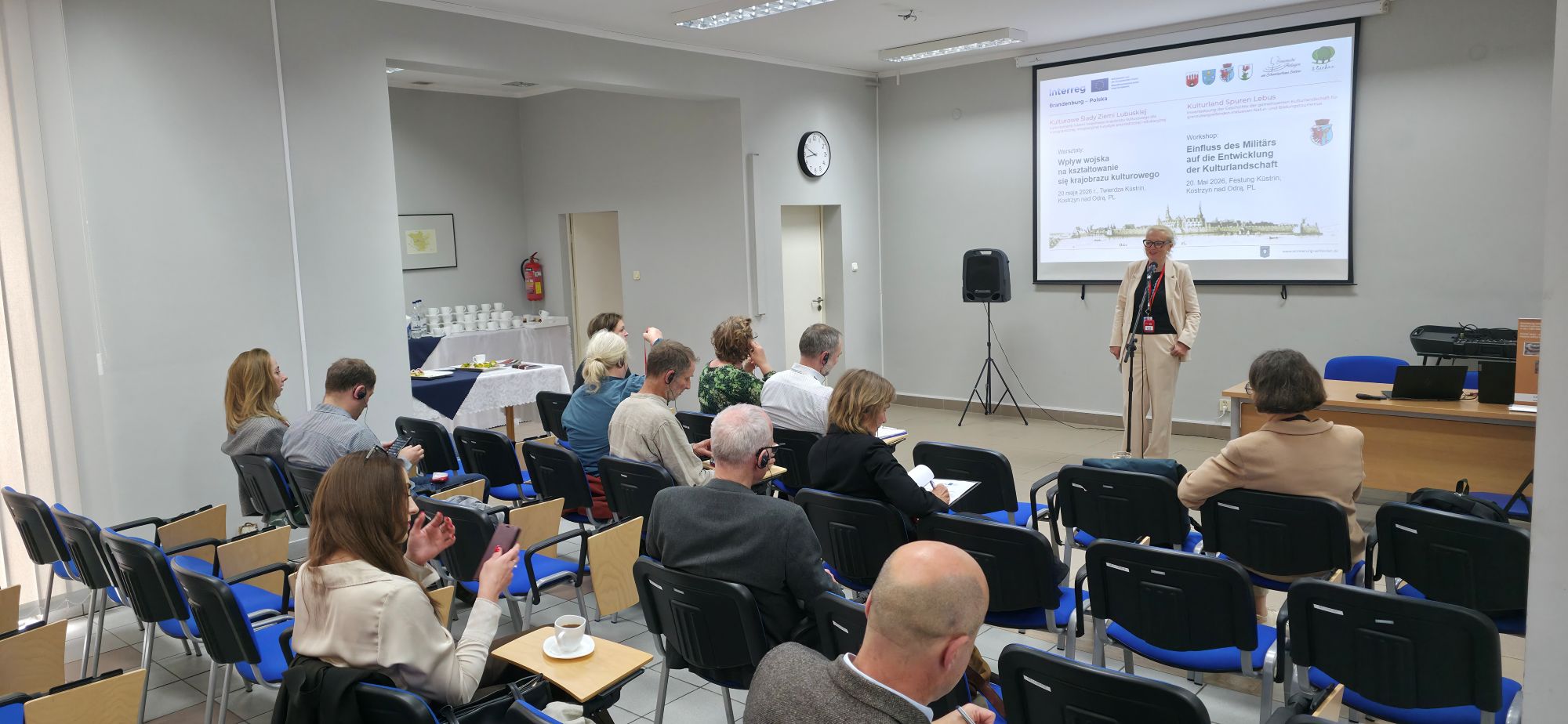
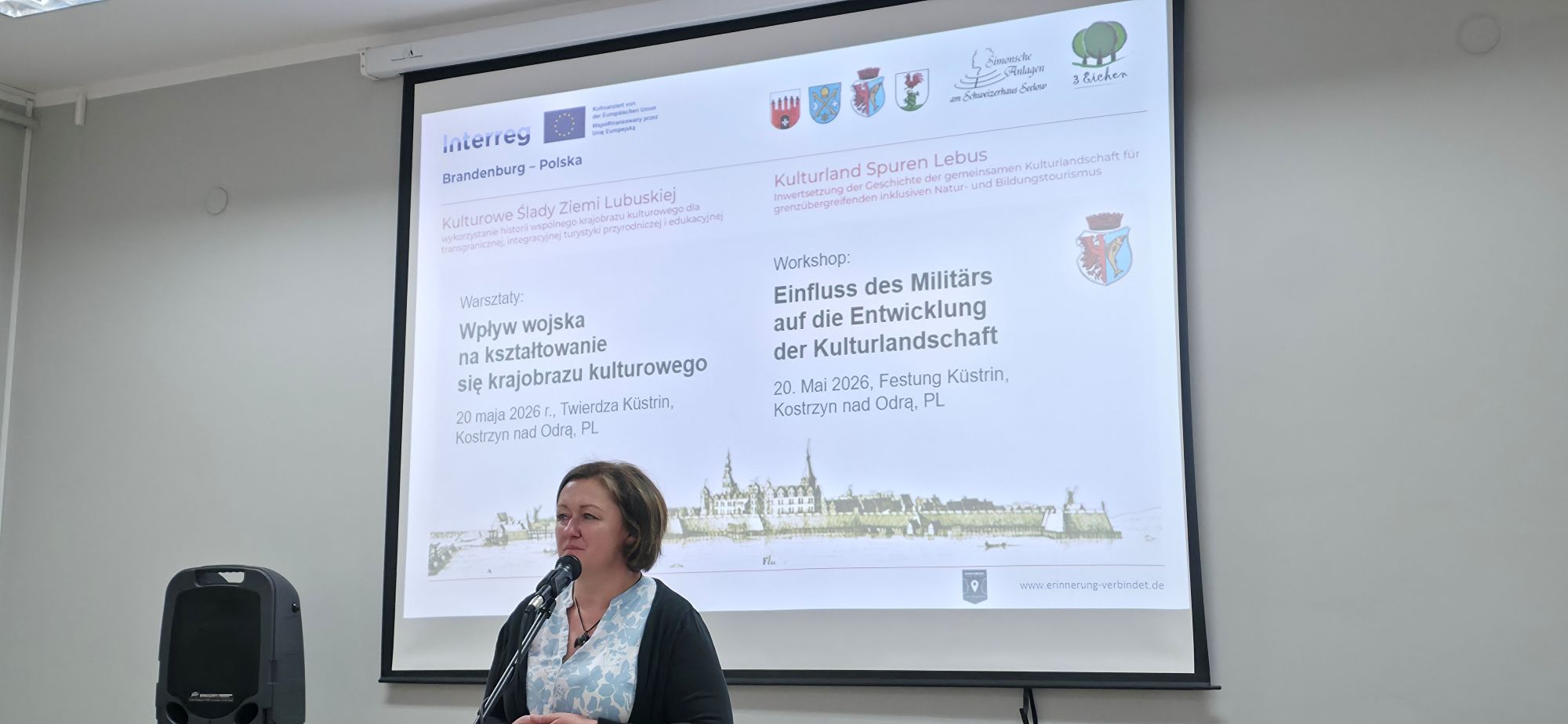
    A.M. 20th May 2026 German and Polish professionals, local government representatives and experts arrived at the Fortress Museum in Küstrin Fortress (Kostrzyn nad Odrą) together. The German-Polish expert workshop was dedicated to the topic „Shaping of the cultural landscape for military purposes“ or rather the Influence of the military on the development of the cultural landscape. The event took place as part of the EU project „Cultural Landscape Traces of Lebus / Cultural Traces of the Lubusz Region“ (Interreg VI A Brandenburg–Poland 2021–2027) took place.

    The objectives: Enhancement of the fortress heritage for cross-border tourism

    The central objective of the workshop was to analyse the historical influence of the military on the creation and transformation of the shared cultural landscape using the specific example of Küstrin Fortress. At the same time, the symposium served to develop strategies for the Adaptive reuse and sustainable utilisation of former fortifications to develop cross-border, inclusive nature and educational tourism and to deepen professional exchange between Brandenburg and the Lubusz Voivodeship.

    Expert articles and perspectives

    The lectures in the restored casemates of the Philipp Bastion illuminated the fortress heritage from European, regional and architectural perspectives:

    • European framework & project context: Following the welcome by the city of Kostrzyn nad Odrą and the museum director Julianna Sójkowska-Socha, Dirk Röder (Słońsk municipality) gave an overview of the overall project. He also presented the work of the network FORTE CULTURA e.V. vor, which manages the European Route of Fortified Monuments with currently 81 sites in 17 countries, and explained concepts for transforming military monuments into tourist and educational sites.
    • Influence of the military on the development of the cultural landscape using the example of Küstrin FortressDirk Röder outlined what influences the military could have had on the development of the cultural landscape – particularly in the areas of fortress construction (Raw materials for the construction, maintenance and expansion of Küstrin Fortress, including military equipment), Food (long-standing supply of troops and service personnel) and Equipment (Military equipment for stationed troops and as an operational reserve). He raised the questions: What was the catchment area of Küstrin Fortress for many centuries? Which resources were utilised from the immediate surroundings or imported from further afield? Which „traces“ of this are still visible today and can be made tangible?
    • History of Küstrin Fortress: Julianna Sójkowska-Socha traced the development of the fortress from the 15th to the 20th century. She highlighted key stages – including the construction of the modern bastion fortification based on the Italian model under the engineer Francesco Chiaramella from 1559 onwards, as well as the strategic role of the fortress in the Second World War.
    • Municipal revitalisation: Agnieszka Żurawska-Tatała from the Kostrzyn nad Odrą city administration presented concrete development and revitalisation projects for the city. She showed how historical bastions are being repurposed for cultural purposes and integrated as an identity-building element into the local development strategy.
    • Fortification, rayon zones & resource management: The fortress expert Marcin Wichrowski explained the structural evolution from the first earth-and-timber fortifications through French modernisations in the 17th and 18th centuries (e.g. hornwork, ravelins, contre-garde) to the spatial requirements. Around the fortress, so-called easement areas established, the use and development of which were subject to strict military regulations.

    Practical part and overall result

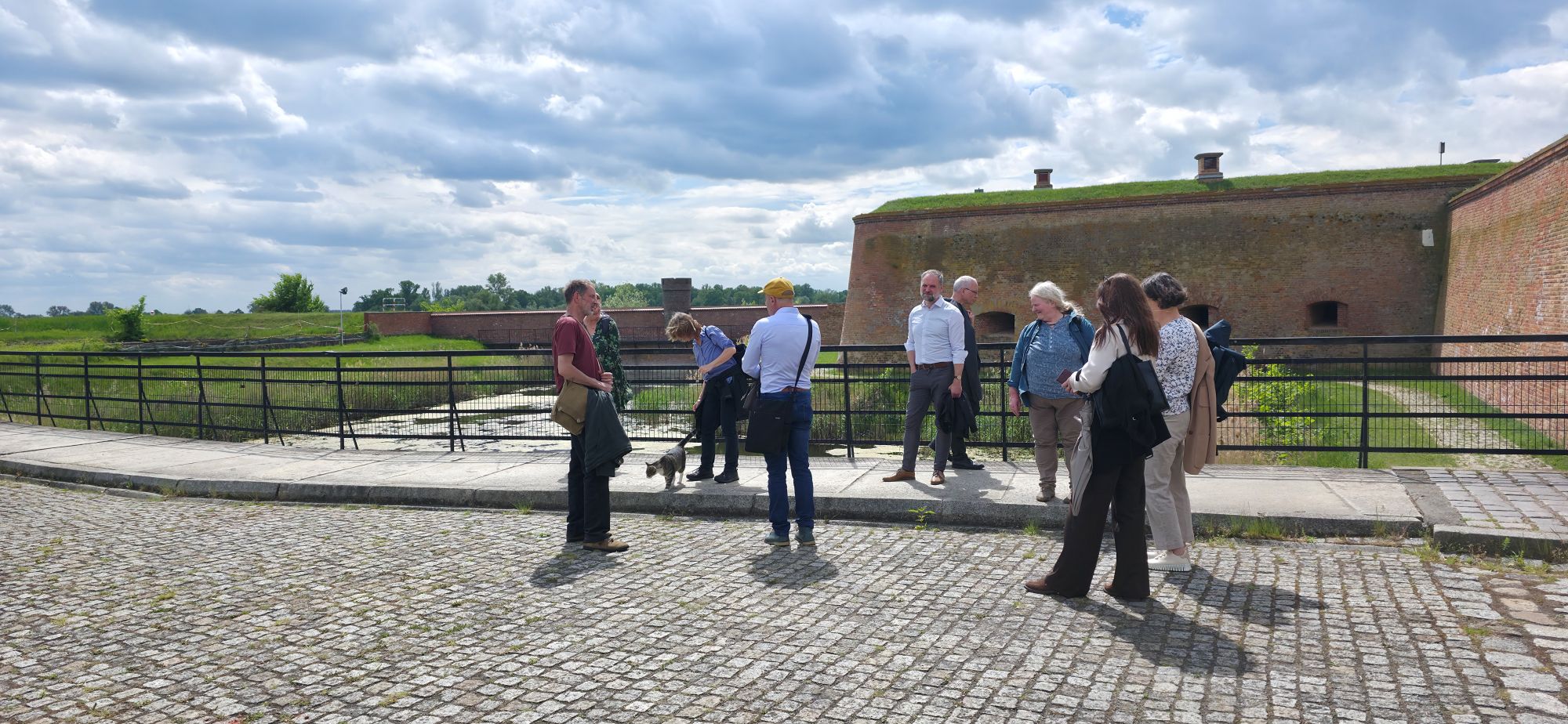
    At the end of the event, the participants explored the preserved fortress structures, bastions and casemates of Küstrin Fortress during a joint tour.

    The workshop combined theoretical insights of military architecture and spatial planning with practical concepts of heritage conservation and regional development. The knowledge developed flows directly into the design of the cross-border educational and leisure route „Cultural Landscape Spuren Lebus“ one that connects historical sites on both sides of the Oder and Warta.
  • Designing participatory nature and cultural experiences: results of the expert workshop in Buckow

    Designing participatory nature and cultural experiences: results of the expert workshop in Buckow

    Project „Kulturland Spuren Lebus“

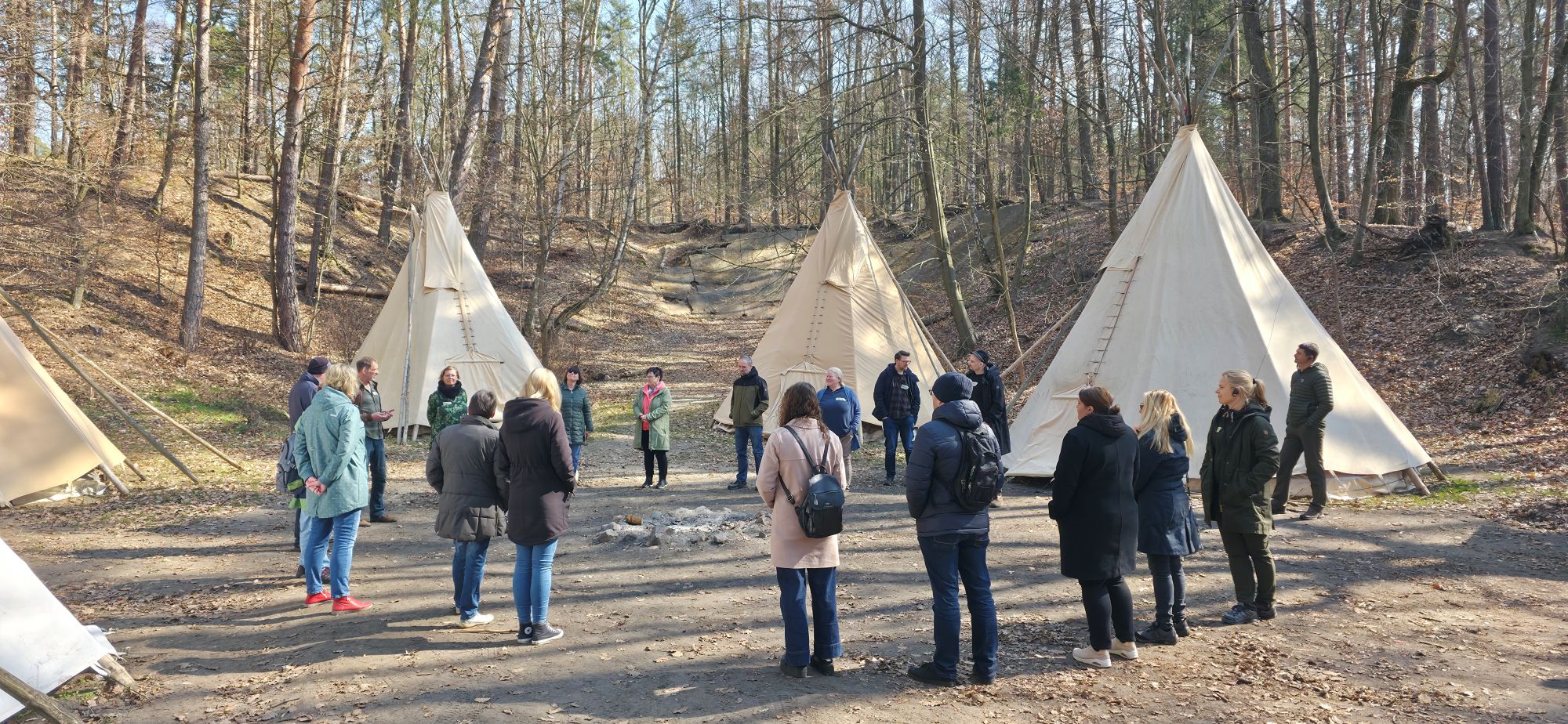
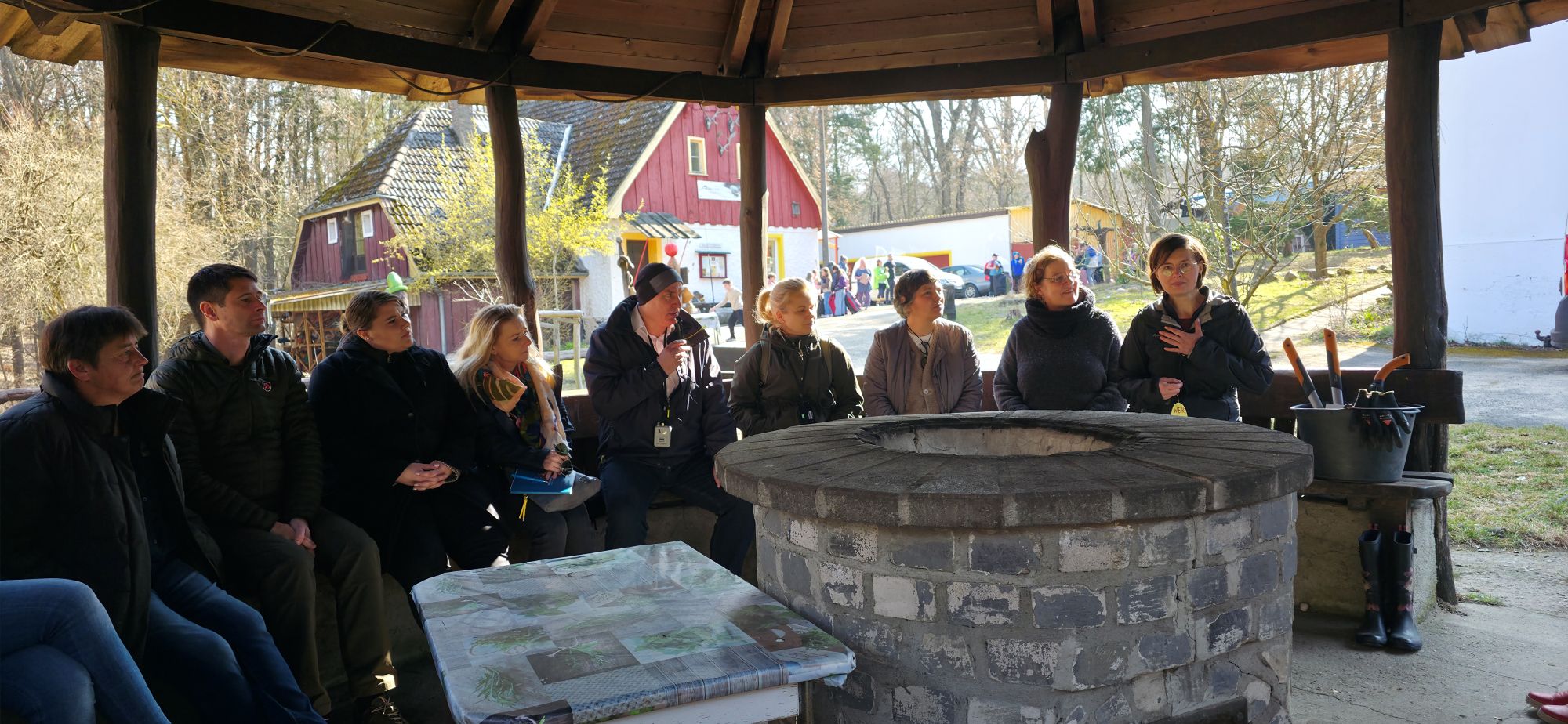
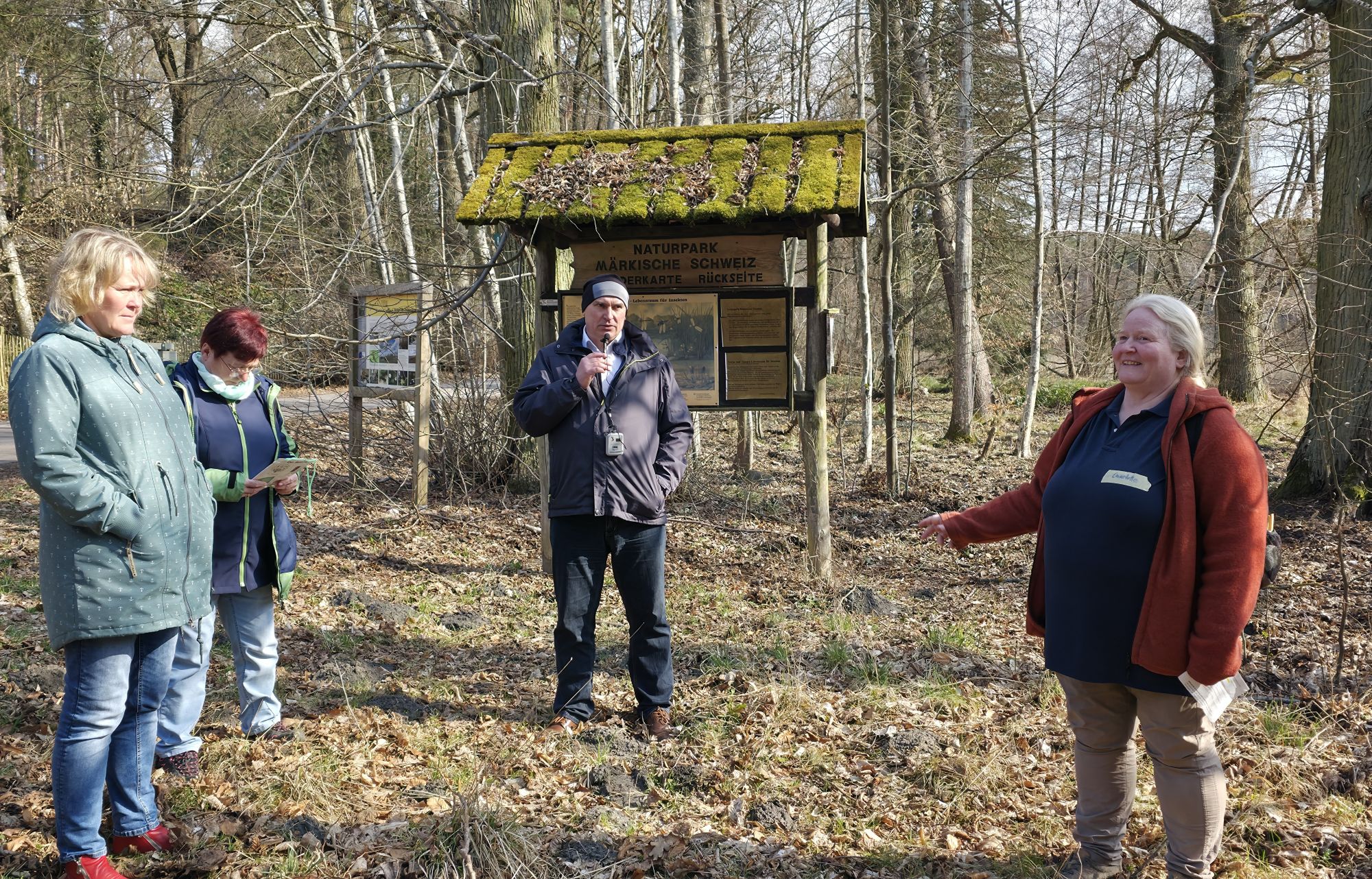
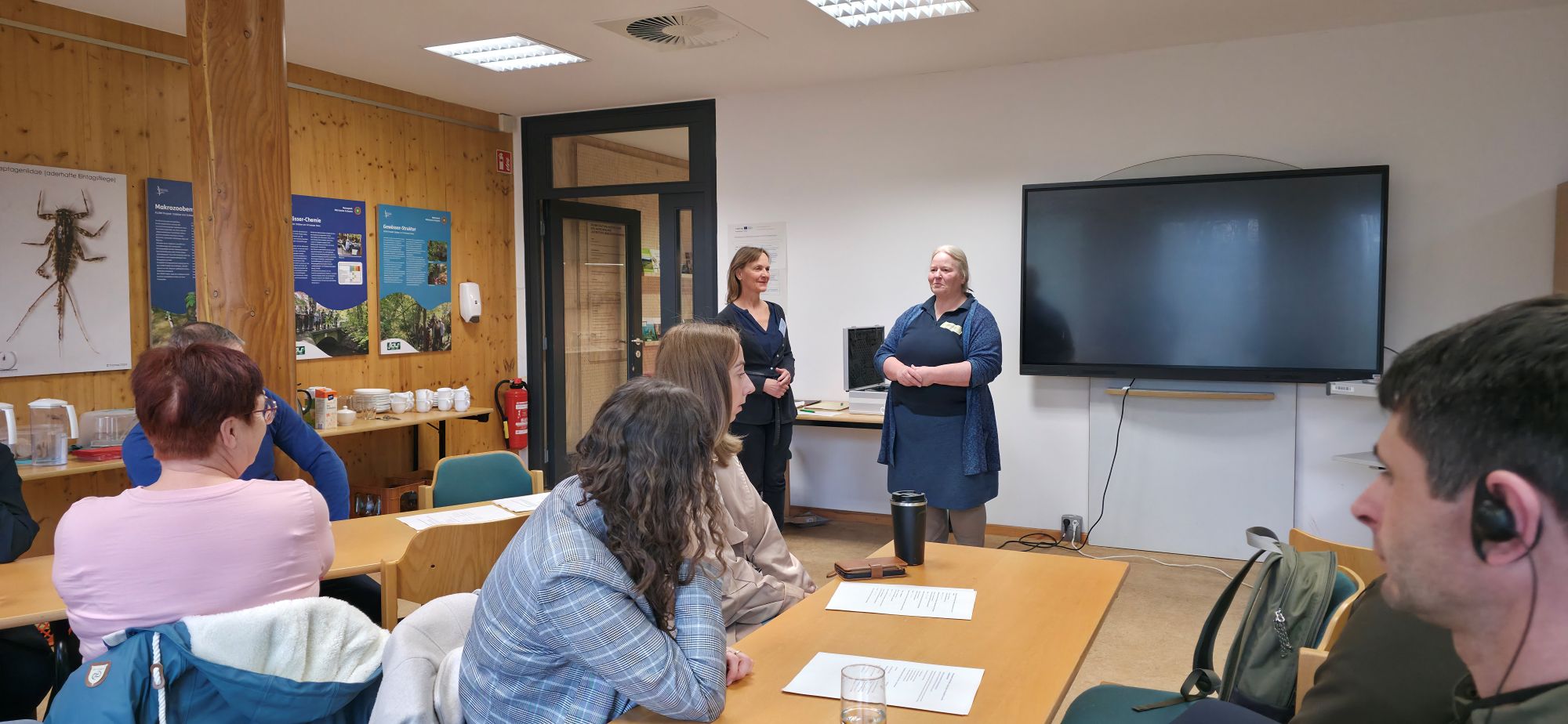
    On 23 and 24 March 2026, project partners and experts came together at the Drei Eichen environmental centre and the Schweizer Haus in Buckow as part of the two-day specialist workshop „Development of participatory activities for nature connection and education“ to develop new impetus for environmental and cultural education. The workshop formed a central component of the EU-funded Interreg 6A project „Cultural Landscape Traces of Lebus / Cultural Traces of the Lubusz Region“ (2024–2027).

    The objectives: Common criteria and a guiding thread„

    The main objective of the moderated workshop was to practical guide as well as quality criteria to develop analogue and digital educational and nature-experience offerings. The participants were provided with concrete tools and methods to successfully implement their own participatory offerings at their respective project sites. In addition, the meeting served to lay the foundations for joint content and an overarching „red thread“ to tie together for the overall concept of all project partners.

    Day 1: Didactic Foundations, Nature Pedagogy and Digital Innovations

    The first day at the Drei Eichen Environmental Education Centre was all about didactics and practical testing:

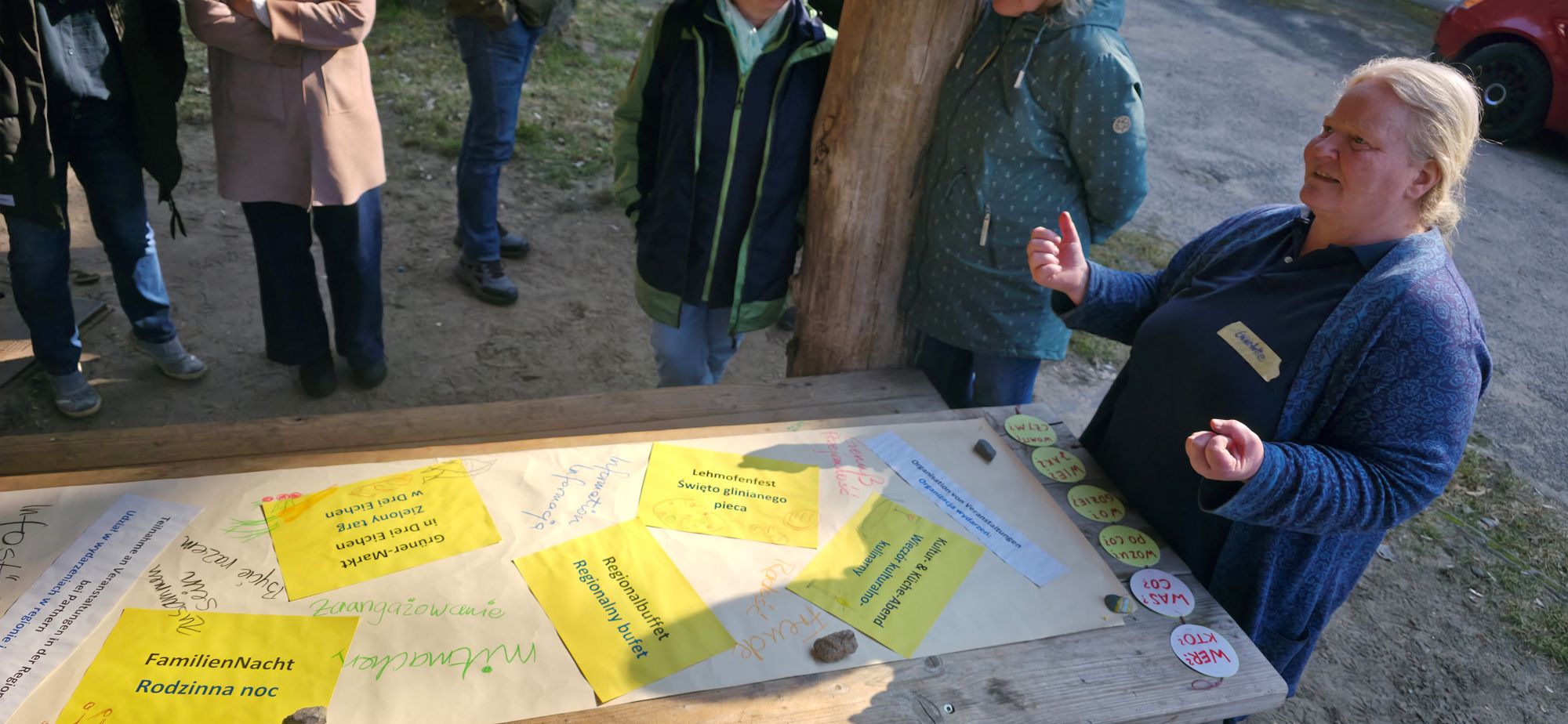
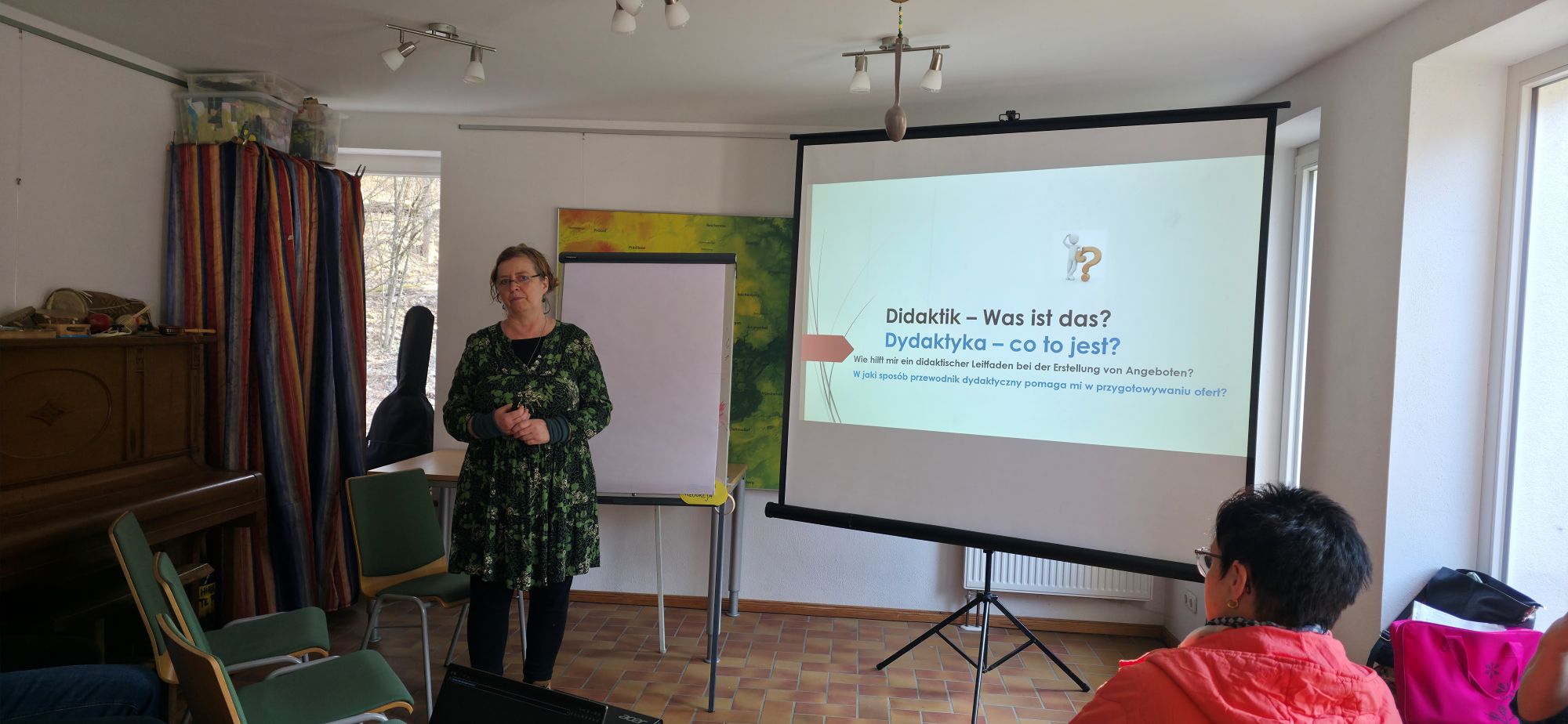
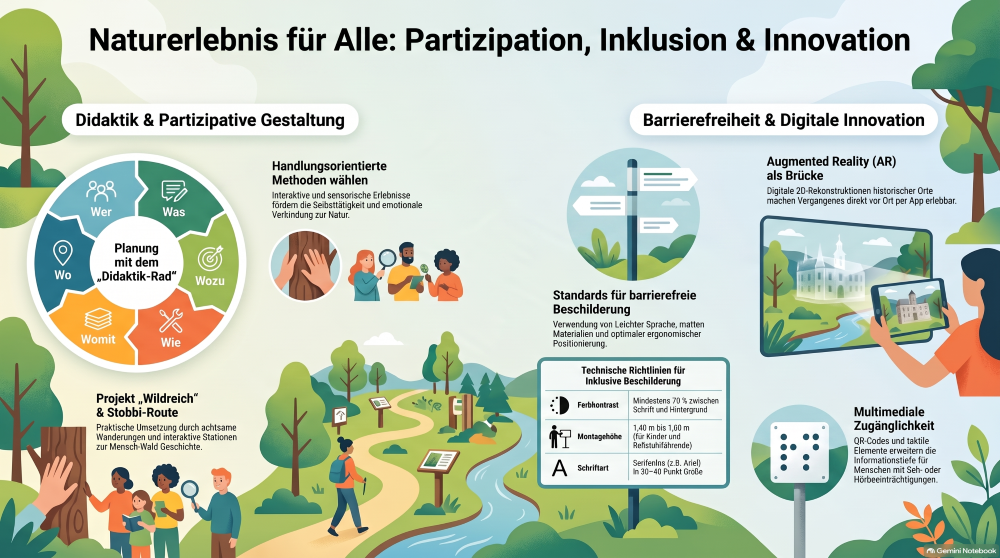
    • Didactic Principles & Didactic Wheel: Sabine Stolze introduced the theory of teaching and learning, emphasising core principles such as Holistic education (learning with head, heart and hand), action orientation, methodological diversity and participation. As a structuring tool, the teaching bicycle (after Frank Waldschmidt-Dietz) presented, which educational offerings based on 6 W-questions (Who? What? What for? How? With what? Where?systematically plans.
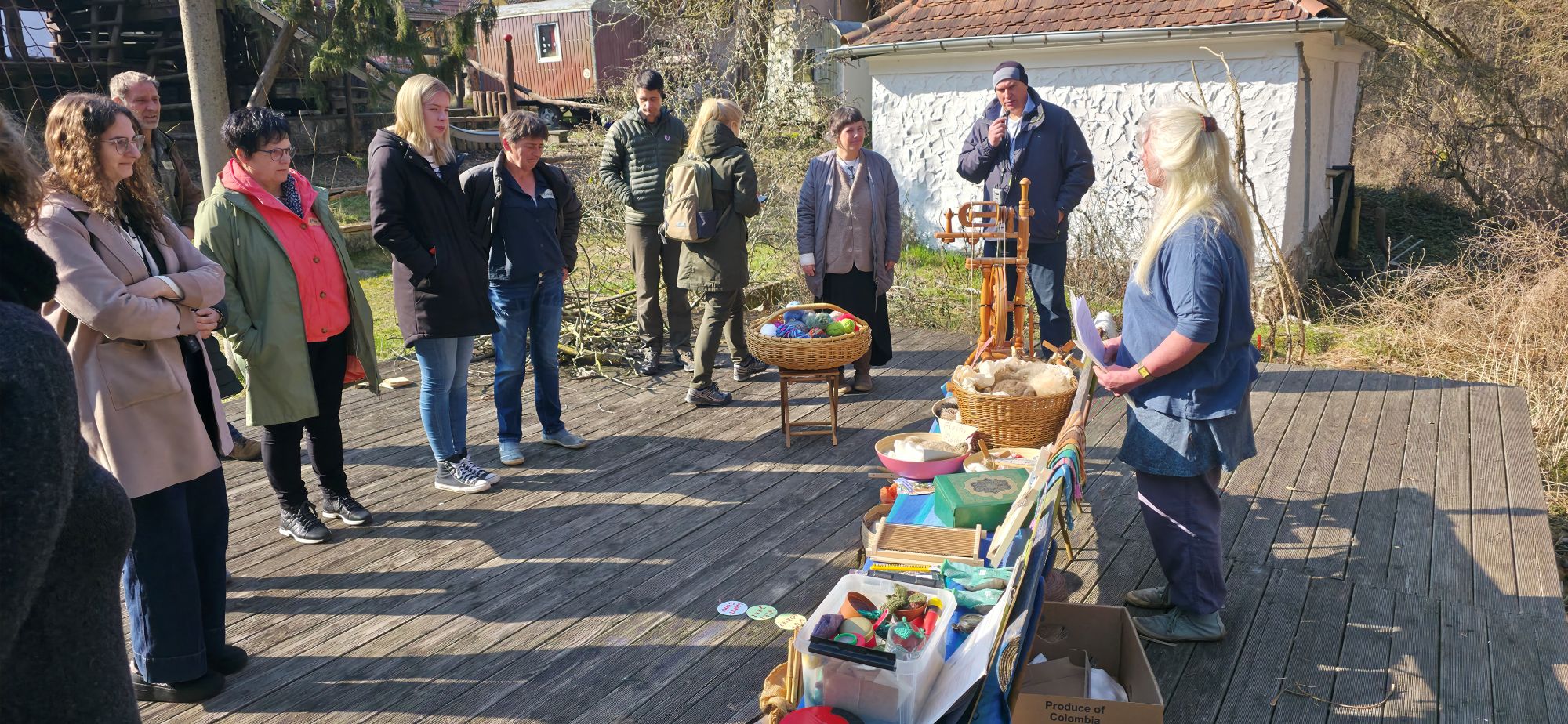
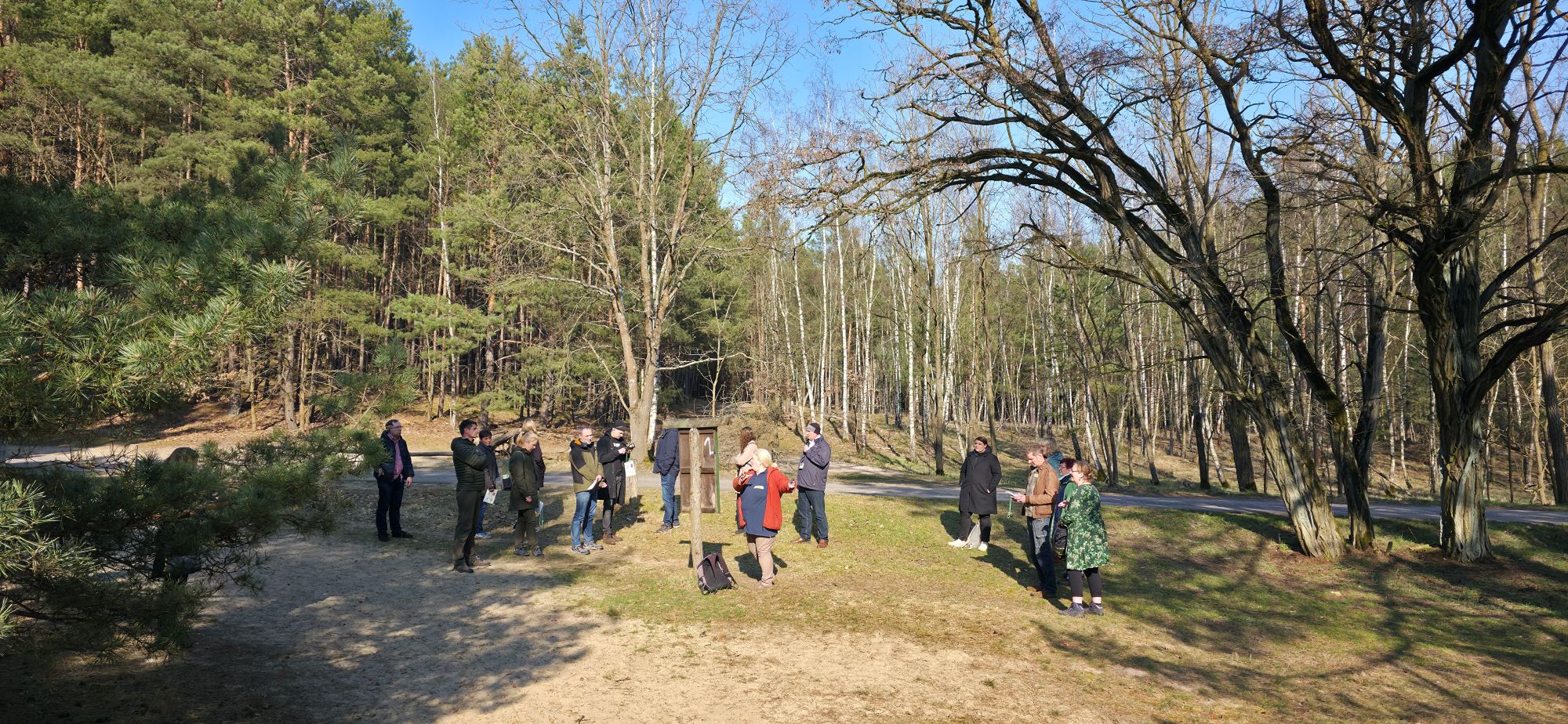
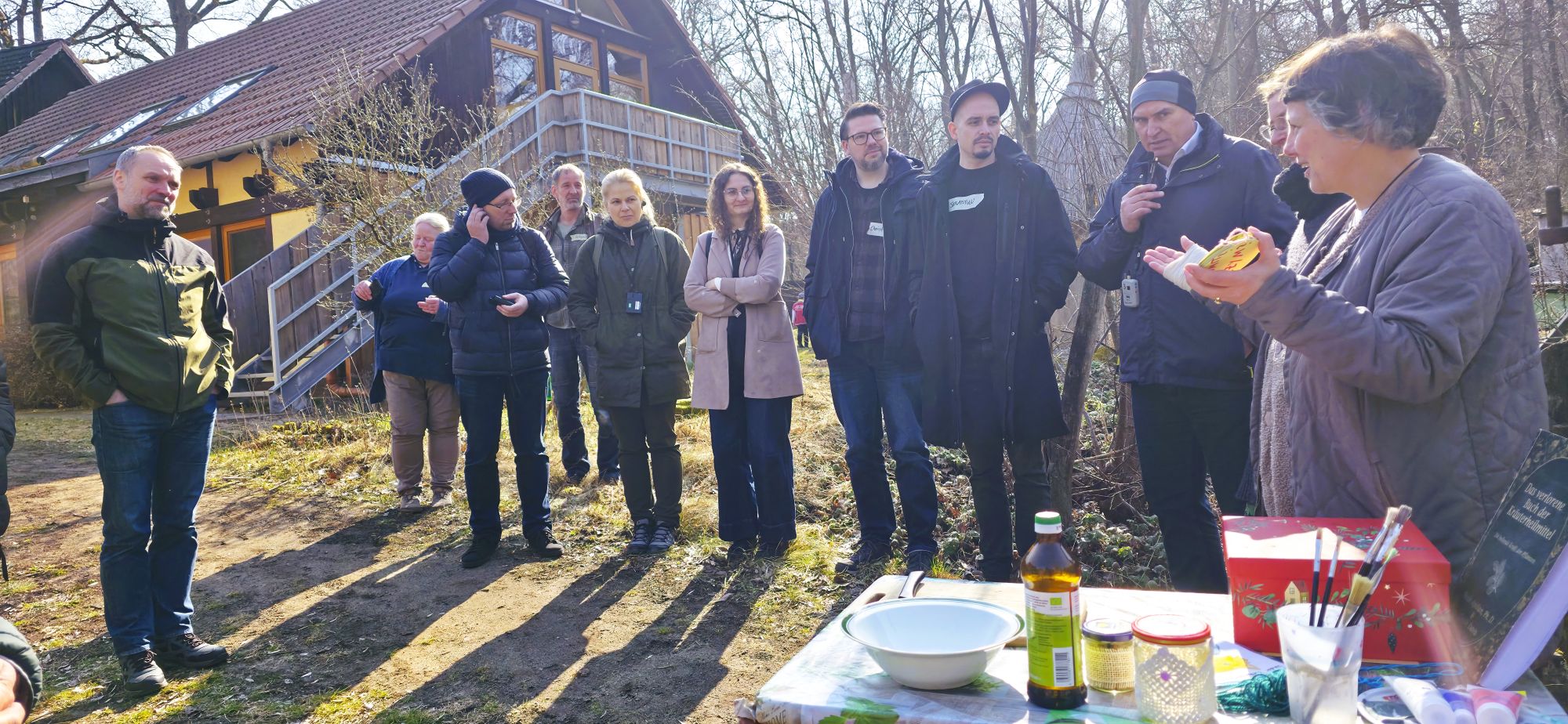
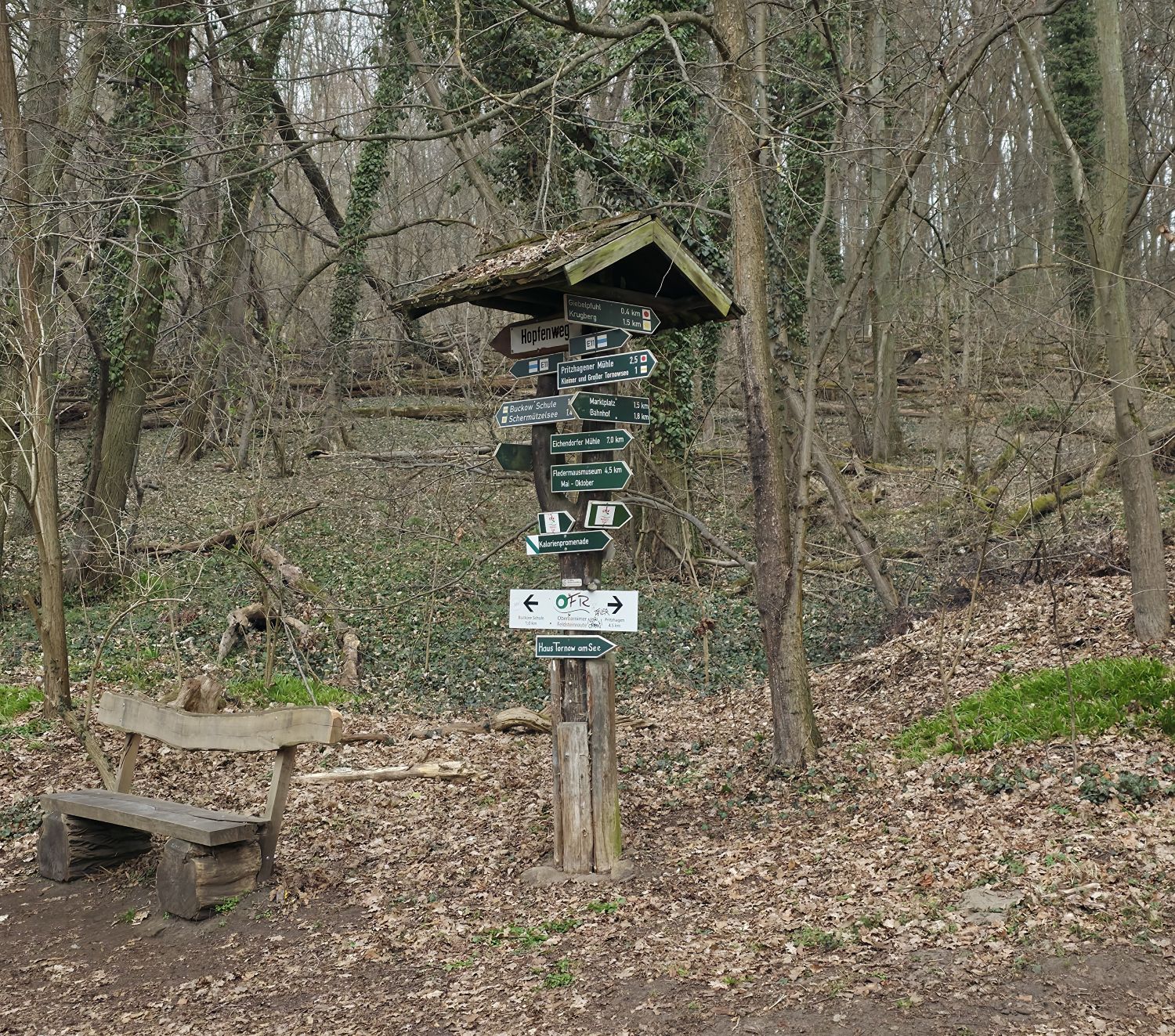
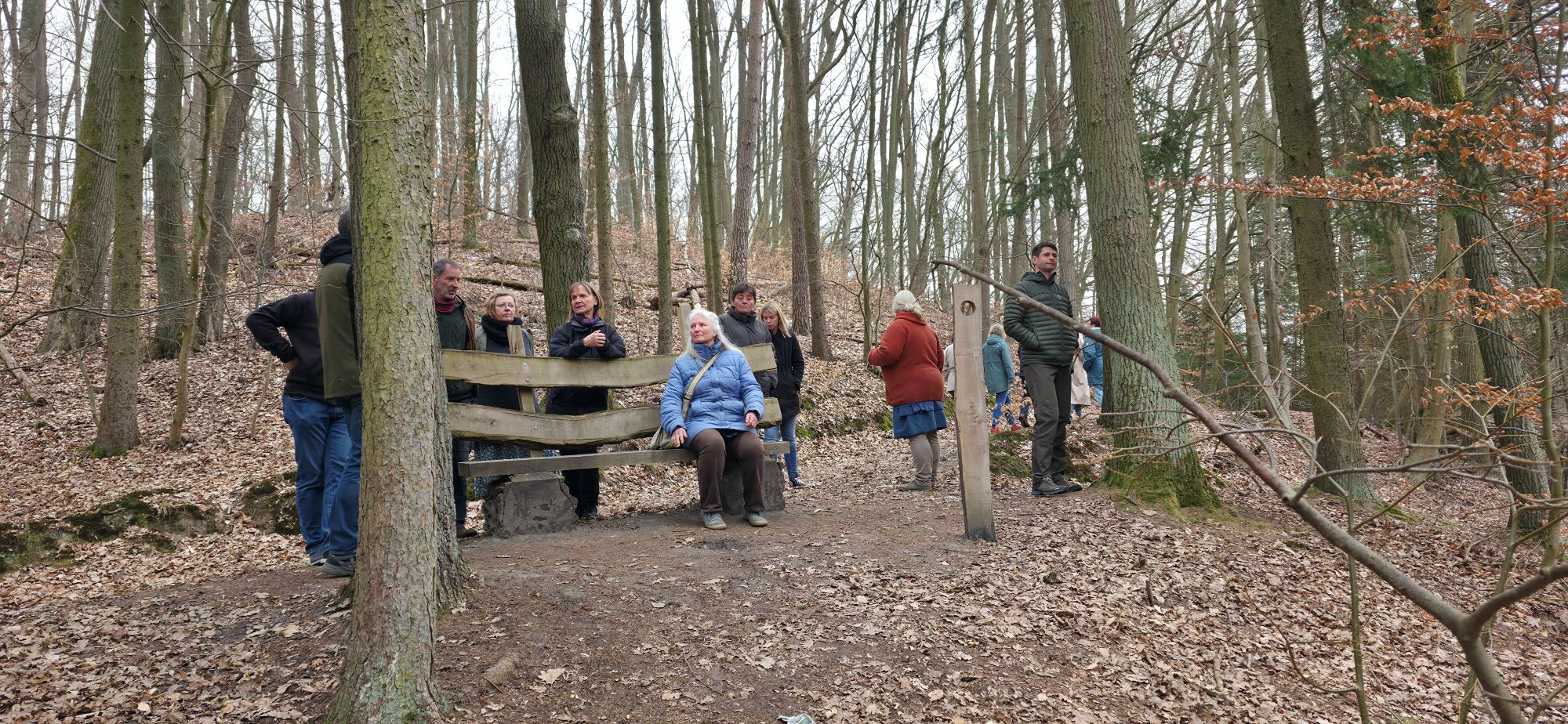
    • Practice on site: During a tour, Drei Eichen employees presented various nature education approaches – from classic and digital treasure hunts to traditional crafts (weaving, felting), biotopes maintenance in international workcamps, herb walks and Kneipp hydrotherapy, right through to wilderness pedagogy.
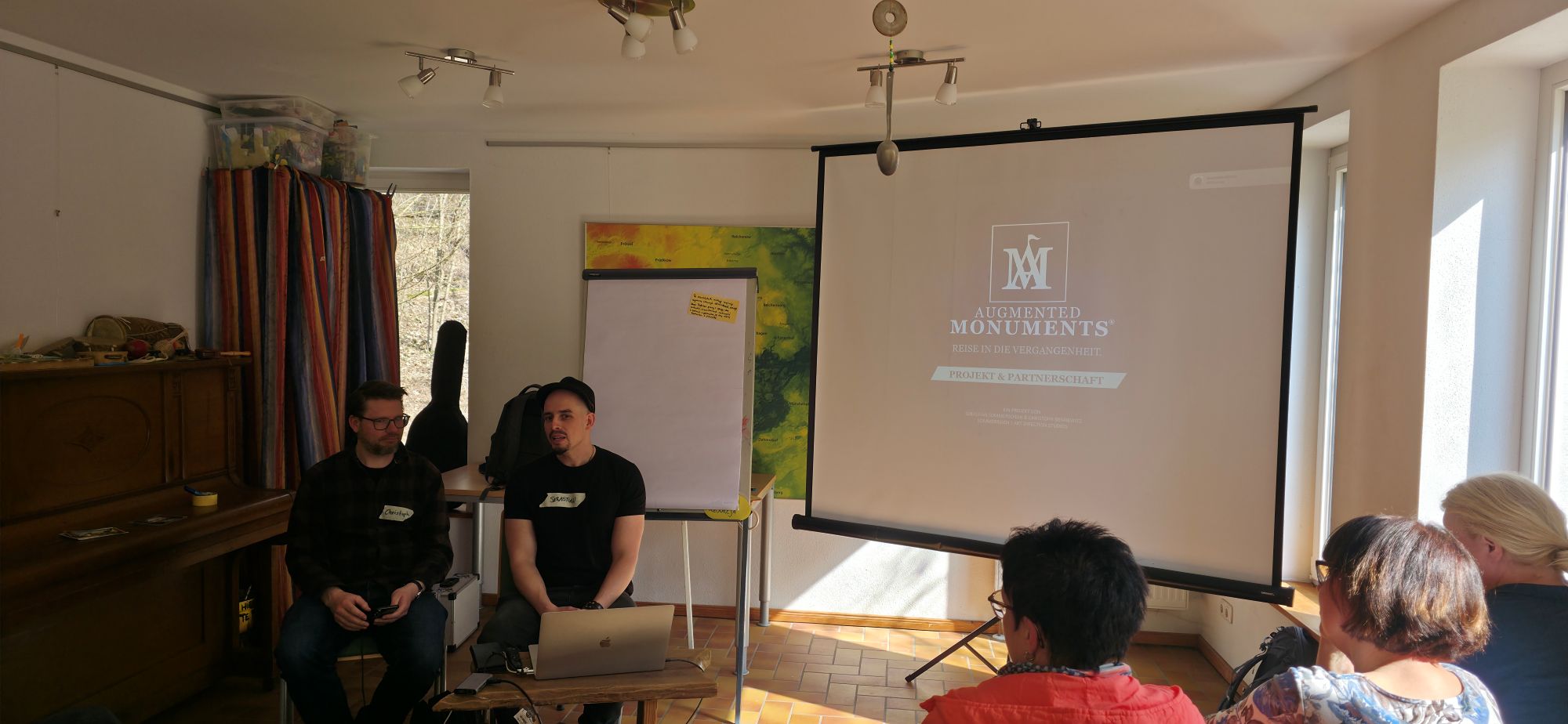
    • Digital best practices („Augmented Monuments“): Sebastian Sommerschuh and Christoph Bennewitz demonstrated the app platform Augmented Monuments, which uses historical sites and cultural landscapes Augmented Reality (AR) and makes 3D reconstructions virtually experienceable.
    • „Wildreich“ Discovery Trail: Using the project as an example Wildreich (Theme: Human & Forest) it was shown how analogue, digital and hybrid stations intertwine. These include 360° panoramas, listening stations in dead wood, citizen science integrations, AR insights into historical epochs (monastic era, Stone Age) as well as a forest sofa for relaxation and mindfulness.

    The first day concluded with a collaborative ideas board, on which the partners worked out connecting elements and overlaps between their regional offerings.

    Day 2: Inclusion as a core principle and tourism networking

    On the second day, the focus shifted to the Schweizer Haus in Buckow, where accessibility and marketing took centre stage:

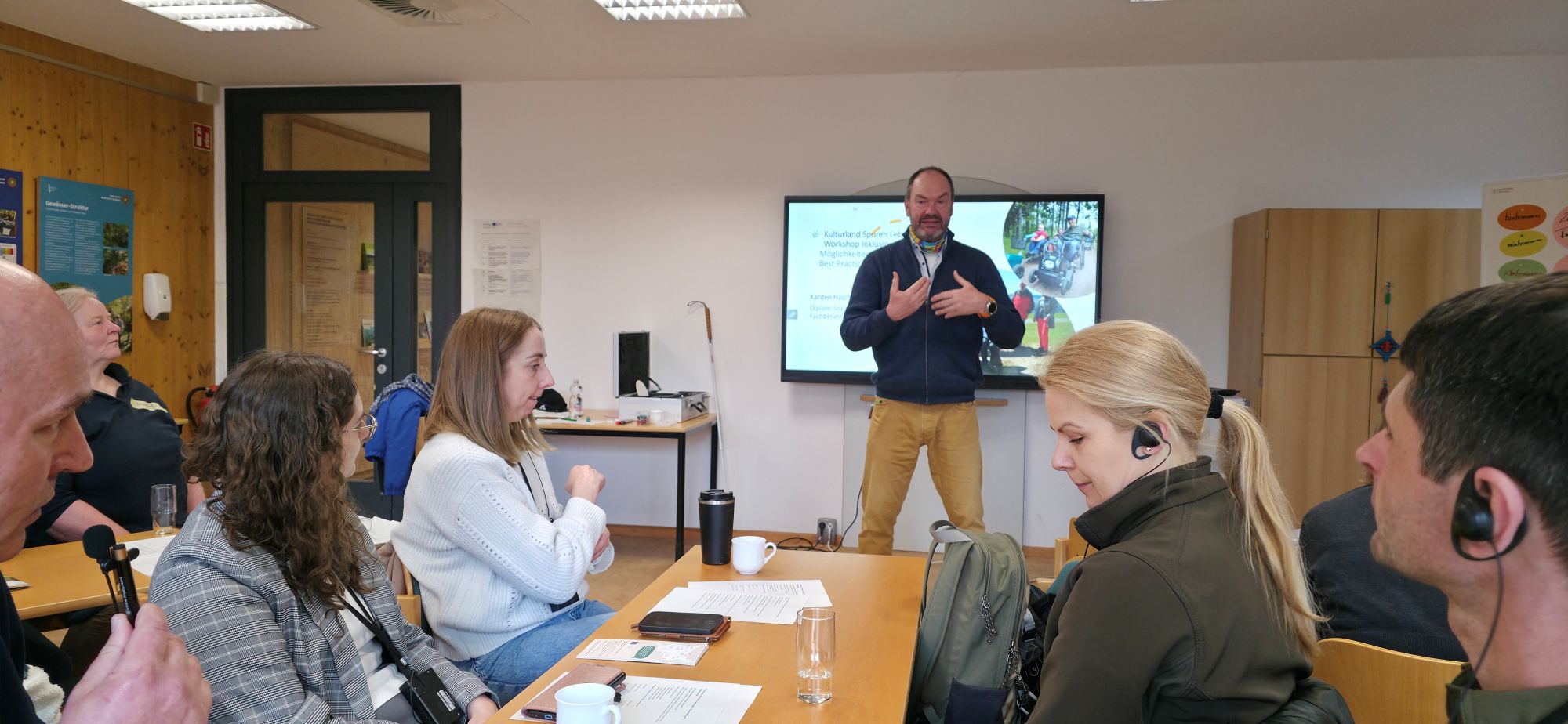
    • Accessible nature park development: Karsten Häschel (specialist advisor for inclusion) clarified that accessibility is not an additional service, but rather a fundamental quality principle is that must be taken into account right from the initial planning stage. In a practice-oriented workbook, target groups (mobility, visual, hearing and cognitive impairments as well as autism) were analysed in a differentiated manner and concrete criteria such as Easy Read, pictograms and staff training defined.
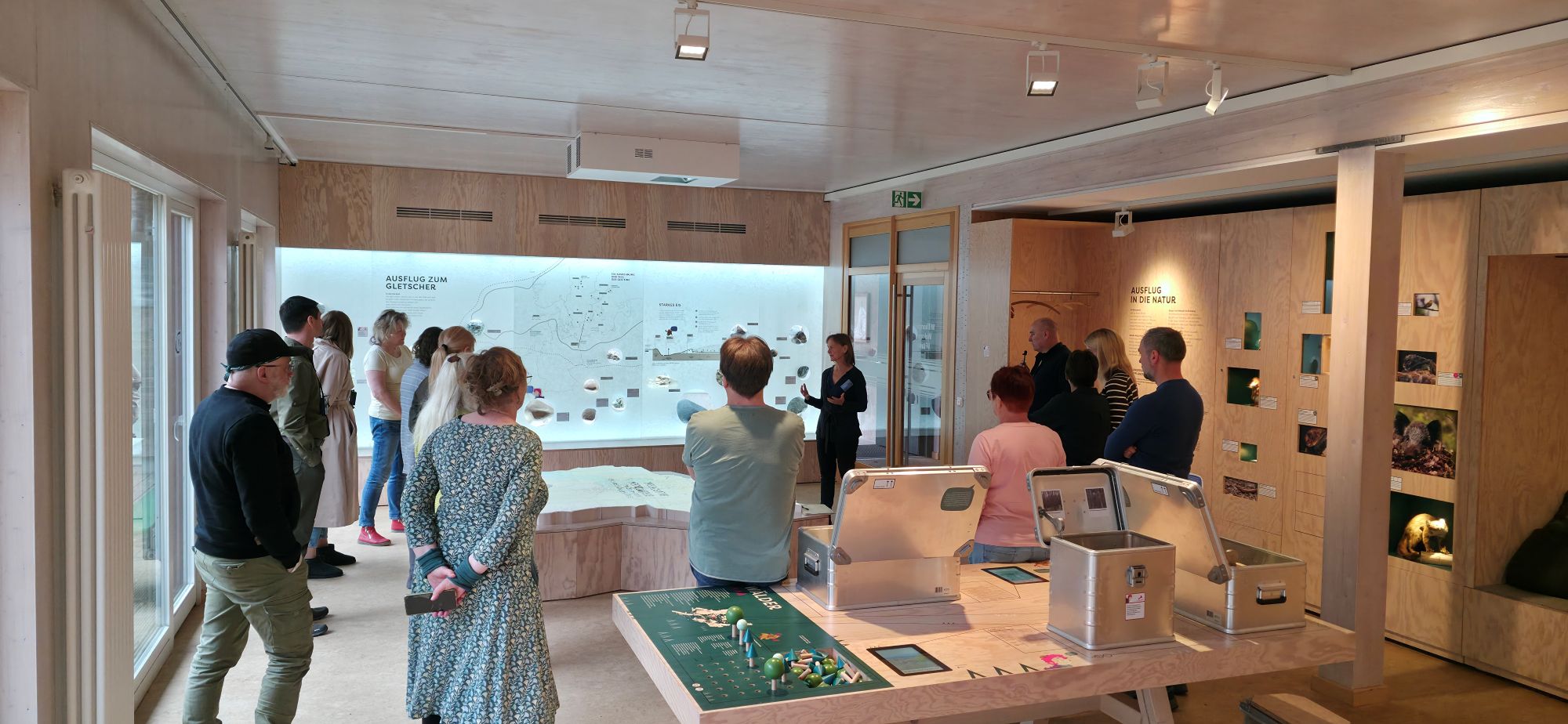
    • Practical check of the „Stobbiroute“ & exhibition: The participants toured the newly designed exhibition in the Schweizer Haus nature park info centre, which is designed to be accessible with Easy Read on the first text level, hands-on stations and wheelchair-accessible elements. Afterwards, the low-barrier circular trail Stobbiroute committed.
    • Digital Marketing & Networks: Angeline Piesche and Antonia Lustig from the Seenland Oder-Spree tourism association presented digital tools for marketing (including the DAMAS database, AI chatbots, Komoot integrations and the MiniBrandenburg system) in order to target audiences via the brand strategy „Immerse“ to appeal emotionally.

    Conclusion and outlook: A strengthened partnership

    The evaluation of the workshop was consistently positive: all participants expressed great satisfaction with the organisation, the content and the practical relevance.

    created with Gemini Notebook

    As the most important result, the foundation for a joint overall concept laid. The developed guiding theme will be further deepened in subsequent workshops and reciprocal site visits in order to sustainably strengthen cross-border cooperation. The Drei Eichen Environmental Centre will also continue to support all partners in an advisory educational capacity.