Brandenburg an der Havel, November 4th-5th, 2026
How can memorial and remembrance sites be designed in such a way that people with disabilities not only discover history but also actively participate in its dissemination? This question was the focus of the specialist workshop „Educational Tourism with People with Disabilities“ on November 4 and 5, 2026 in Brandenburg an der Havel. Within the framework of the German-Polish cooperation project „Living Memorial Sites,“ the event focused on the cross-border exchange of knowledge and experience as well as the development of inclusive educational tourism offerings.
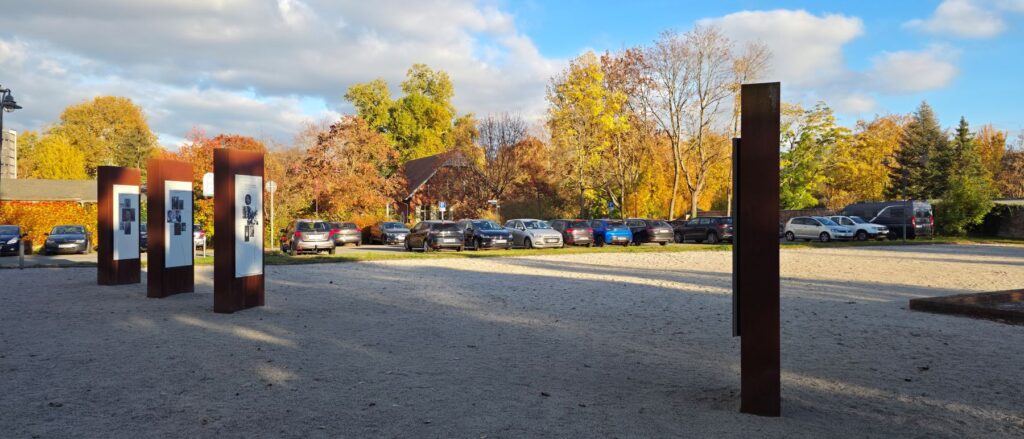
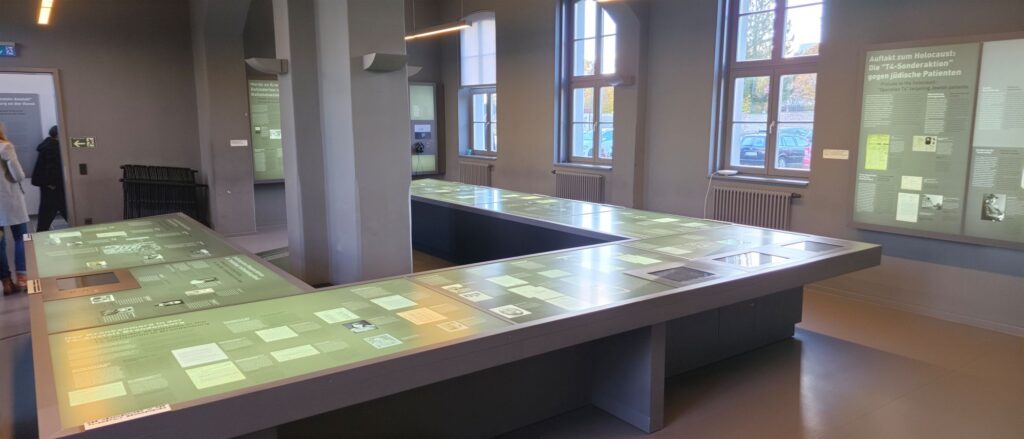
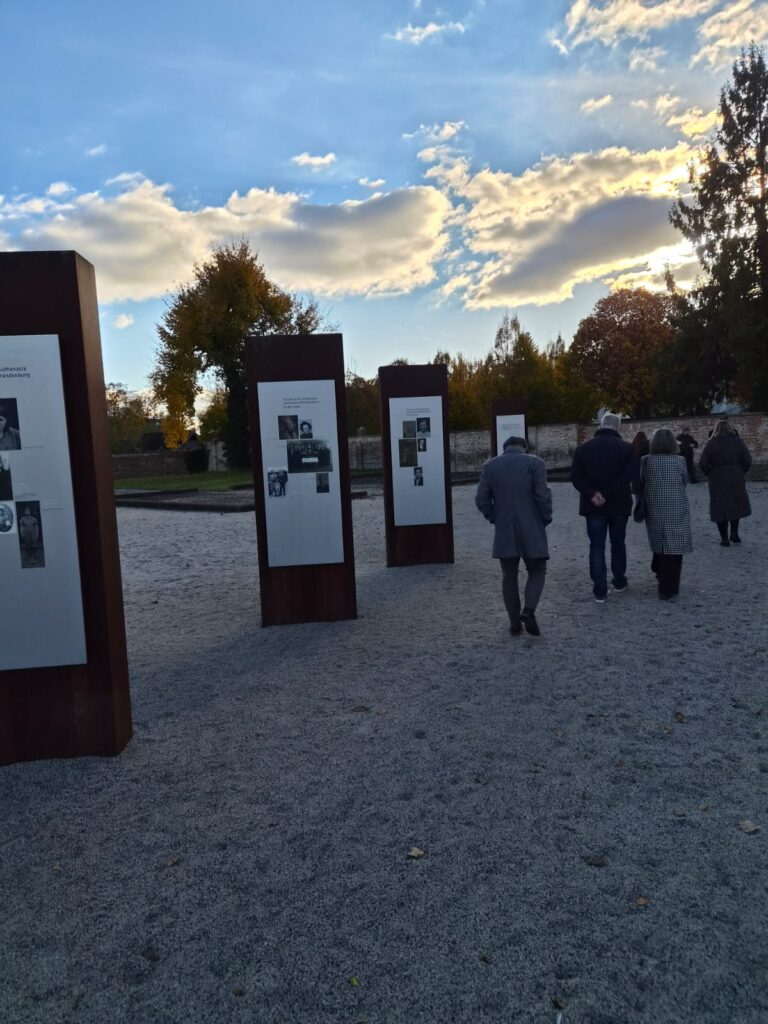
With the Memorial to the victims of the euthanasia murders in Brandenburg an der Havel A venue was chosen where historical responsibility and contemporary participation meet directly. In the grounds of the former Old Animal Hospital, the Nazis murdered more than 9,000 female patients in 1940 as part of the so-called „Action T4“. The memorial site commemorates the victims and makes the confrontation with exclusion, human dignity and the right to equal participation a present-day task.
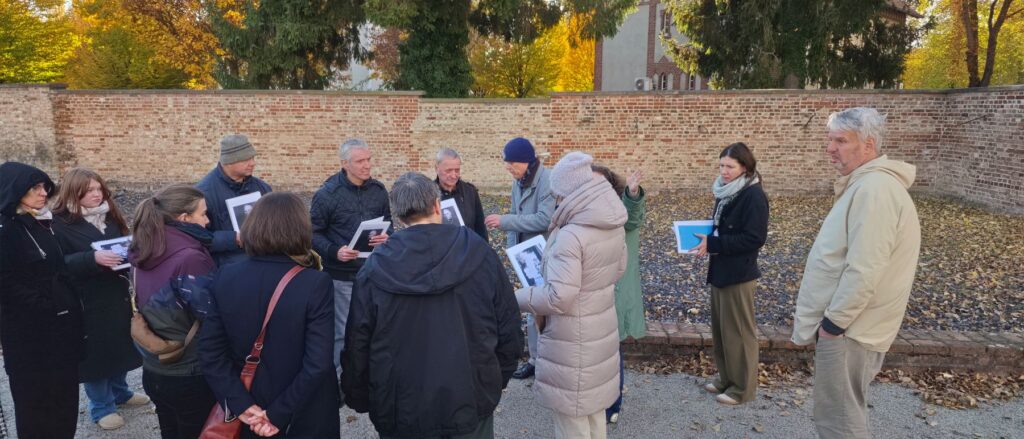
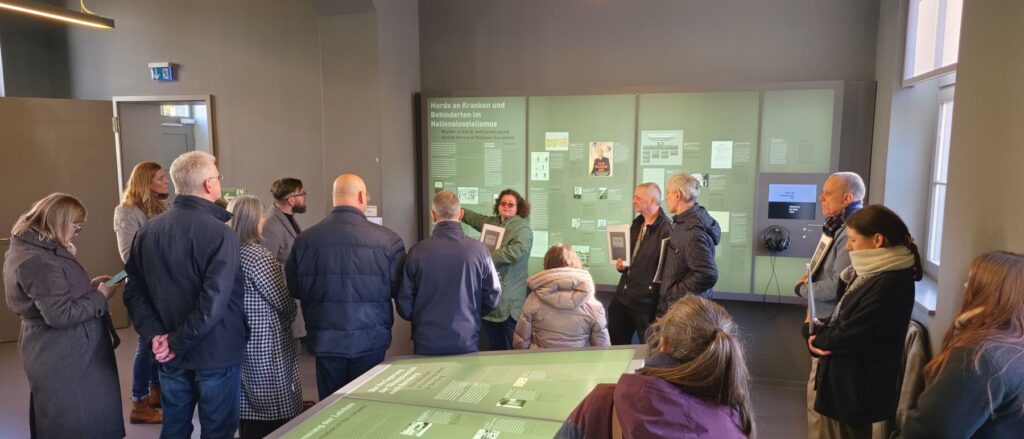
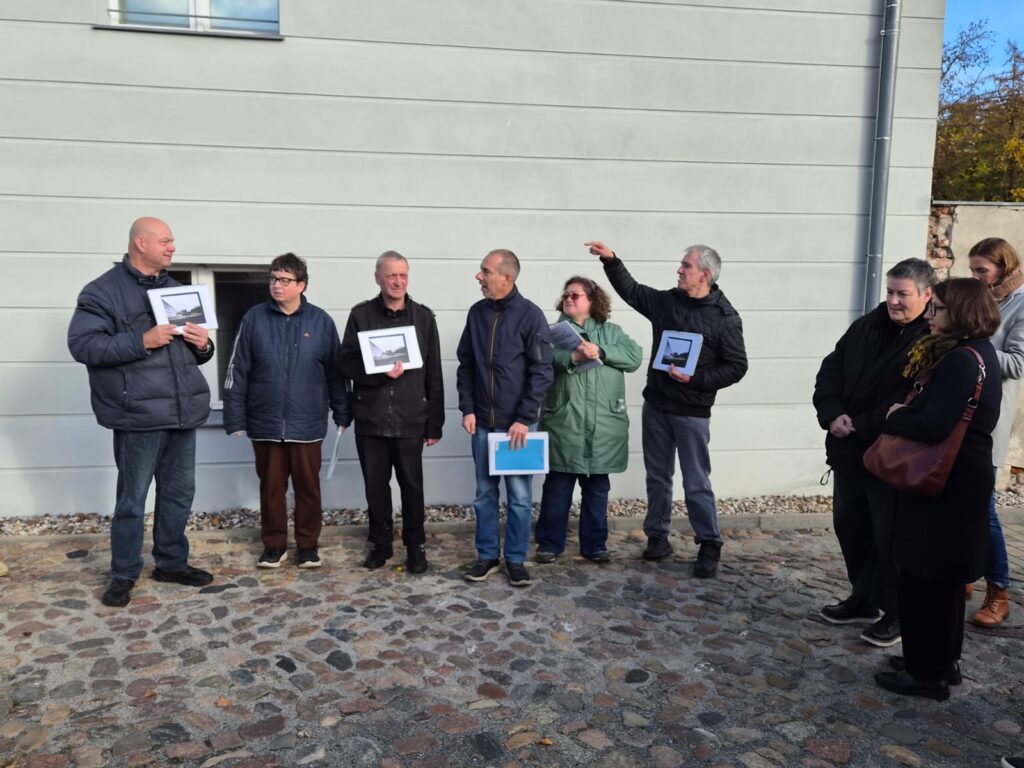
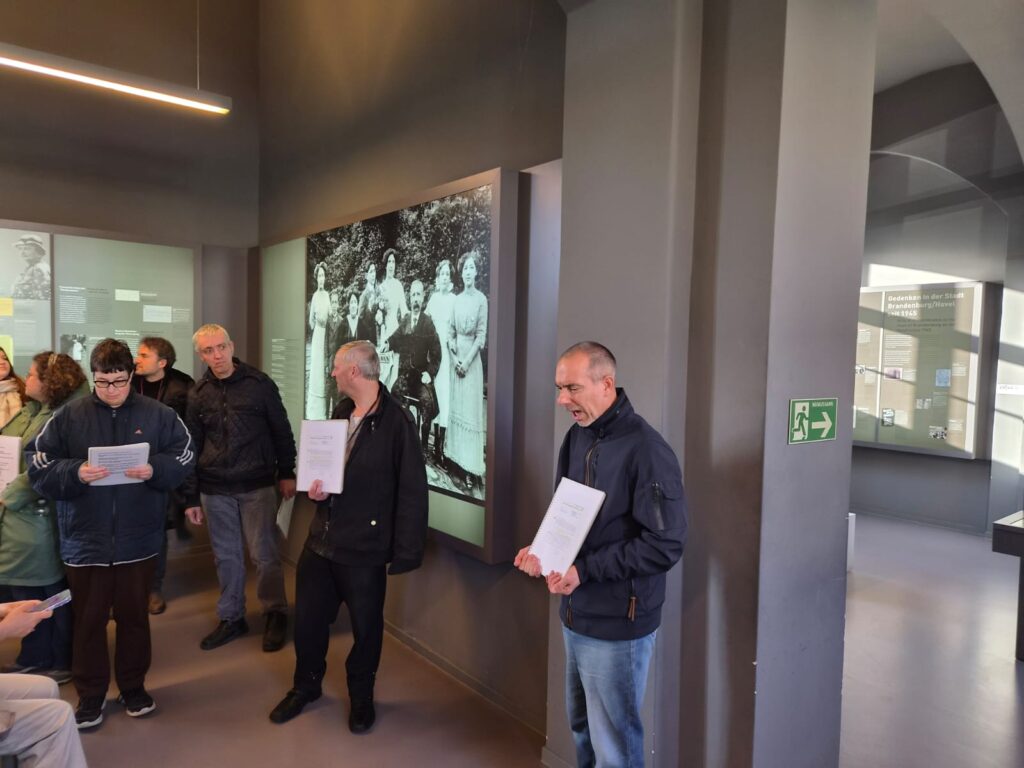
An especially special connection to the workshop theme is created by the inclusive outreach work on the ground: people with learning difficulties lead a tour of the exhibition with staff members from the memorial site and convey history in simple language. They are thus not only the intended recipients of educational programs; they actively participate in shaping historical and political education.
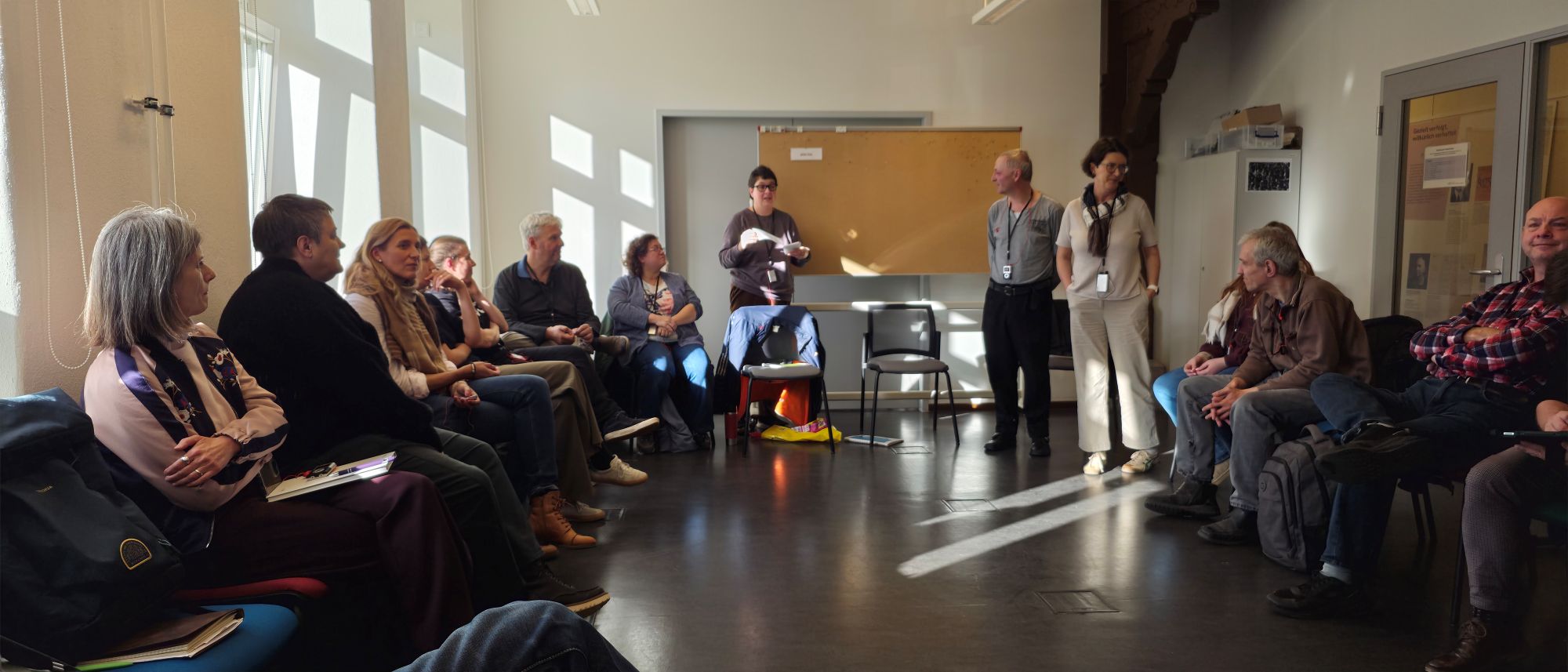
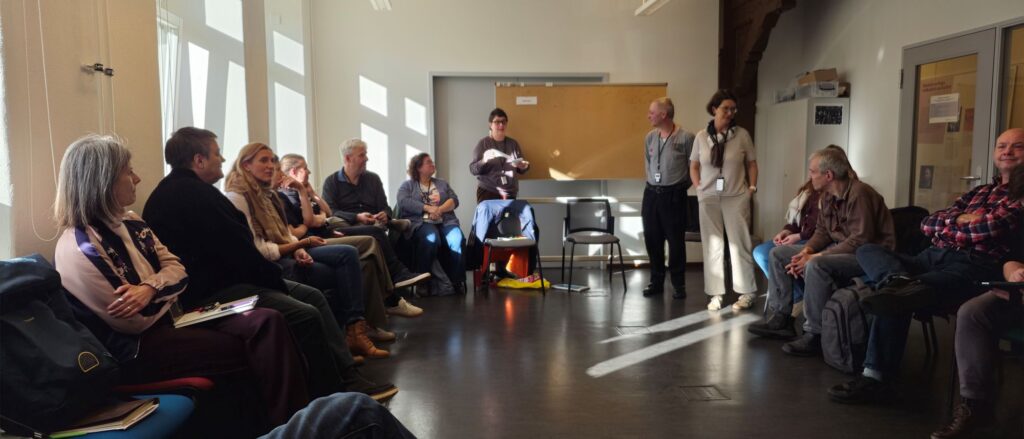
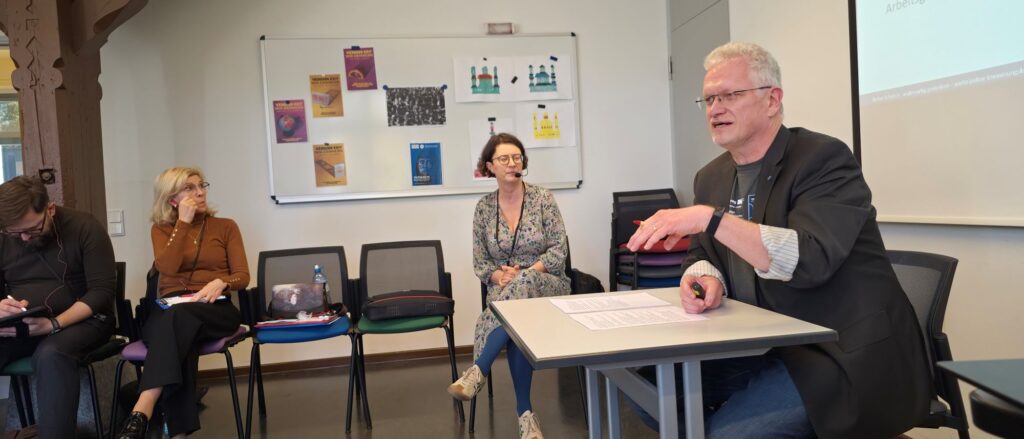
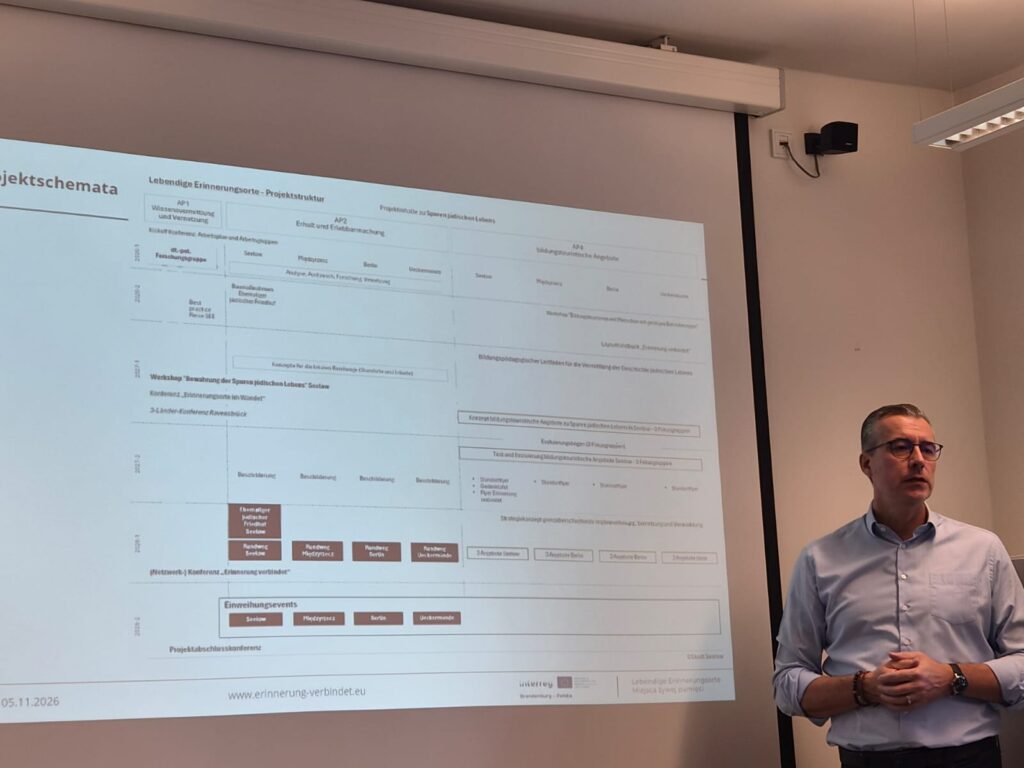
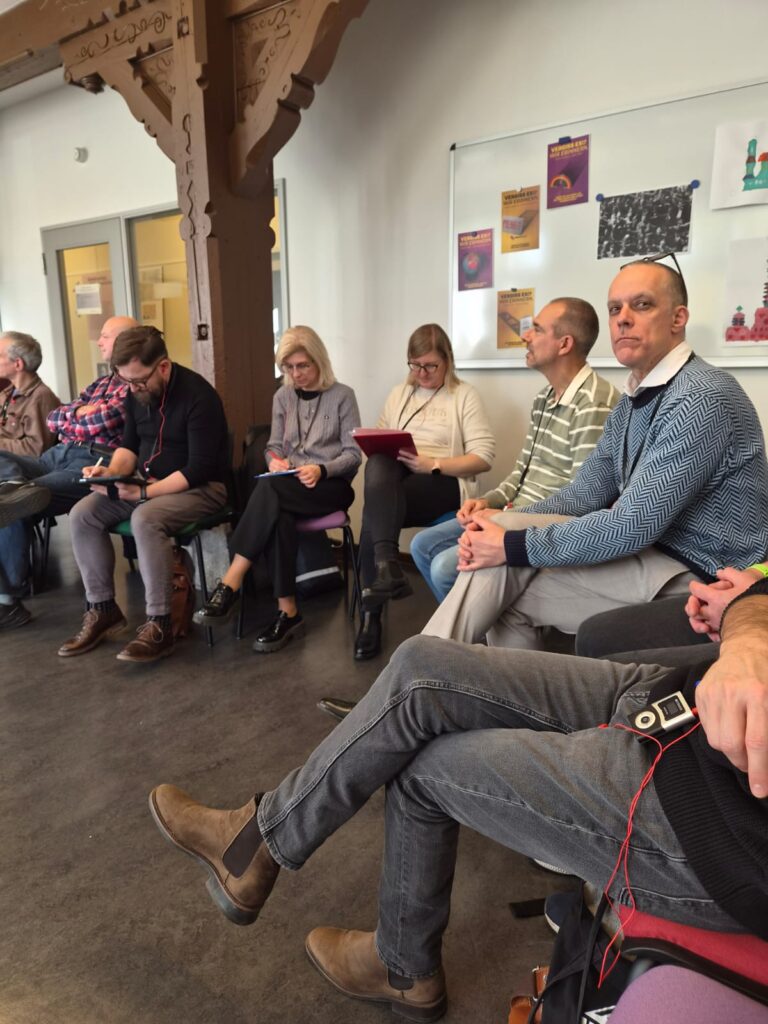
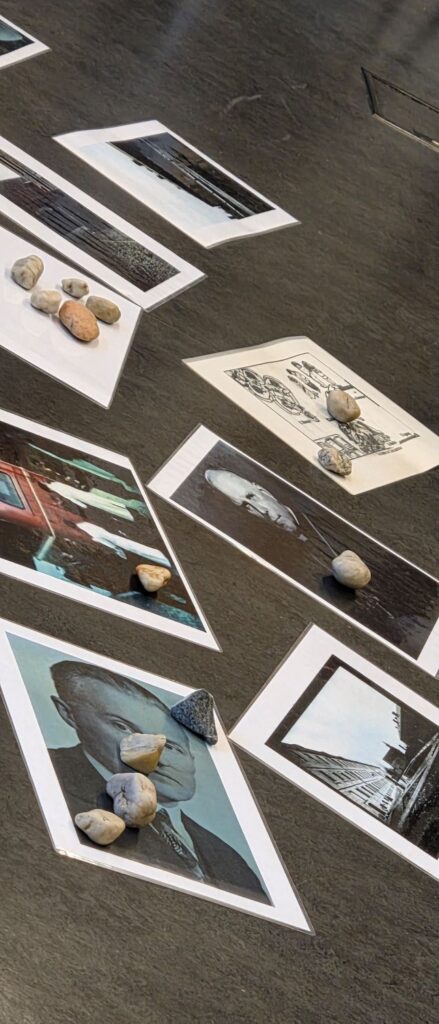
This practical example formed the focus of the professional workshop – along with the question of how such participatory approaches could be implemented at the memorial and remembrance sites being developed by the project partners. On the 4th of November, the participants experienced an inclusive guided tour and subsequently engaged in an intensive exchange of professional knowledge.
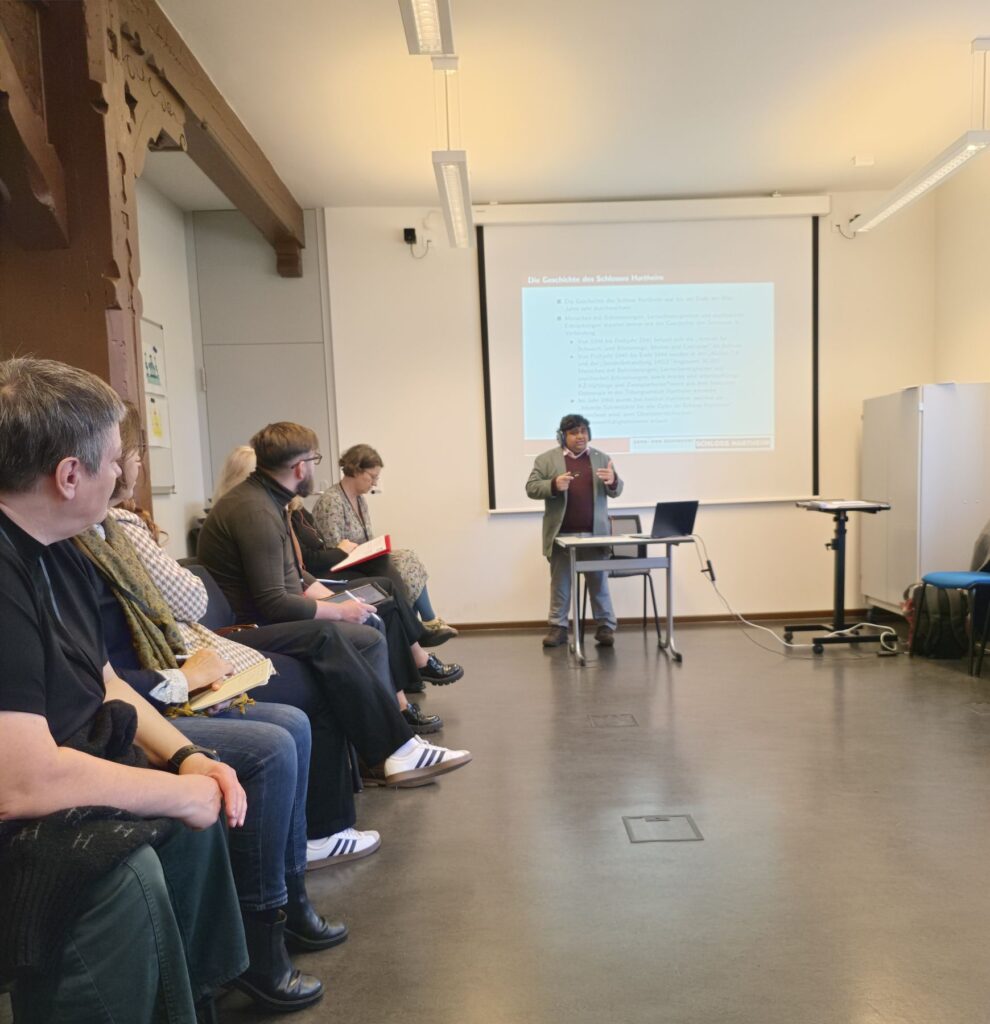
Three keynote lectures complemented the professional exchange on November 5: Melanie Wahl and Birger Höhn presented the Gedenkstätte Pirna-Sonnenstein, while Arjun Pfaffstaller presented the Lern- und Gedenkort Schloss Hartheim in Austria. Stana and Stefan Schenck addressed the active co-creation of remembrance under the title „commemorating differently – participatory memory culture.“ The contributions thus opened up further perspectives for the joint engagement with inclusive educational and remembrance work.
Memorial Site Pirna-Sonnenstein
Melanie Wahl and Birger Höhn, Memorial Site Pirna-Sonnenstein
From the Musteranstalt to the crime scene
On July 8, 1811, the „Royal Saxon Health and Welfare Institution“ was opened on Sonnenstein above Pirna. It was the first permanently established state facility for mentally ill people in Germany. With occupational and music therapy, it was considered a model institution of European importance in the 19th century. With the First World War and the takeover of power by the National Socialists in 1933, this humanist ideal was overturned. Subsequently, limited therapy, forced sterilizations, and „special costs“ for chronically ill people were introduced.
The murders in 1940/41
In 1939, the institution was dissolved. Part of the facility was converted into a killing center for the „Action T4“. In the years 1940 and 1941, around 14,000 mainly mentally ill and intellectually disabled people were murdered here in a gas chamber in the basement. In the summer of 1941, more than a thousand KZ prisoners also died in the framework of the „Special Treatment 14f13“. After 1989, the almost forgotten crime came to public attention. Since 1991, citizens of Pirna and relatives of the murdered people have been campaigning for a memorial site. In June 2000, the memorial site was opened.
Including mediation today
In addition to traditional guided tours, there is a „guided tour in clear language.“ The concept was developed in collaboration with people with learning difficulties, and they take on a large part of the facilitation. The structure of the guided tour is similar to that in Brandenburg, which served as a model:
- An impulse towards the history of the place.
- A common approach to the issue of the exclusion of people with disabilities in National Socialism.
- A tour that makes the stations on the way to the killing facility more understandable through biographical examples.
- A reflection round where impressions and feelings have room to grow.
The offer is primarily aimed at vocational schools and training centers, especially in the fields of nursing and care. The groups are limited to a maximum of 15 people, and the guided tour lasts approximately three hours.
Guides with disabilities: experiences and development
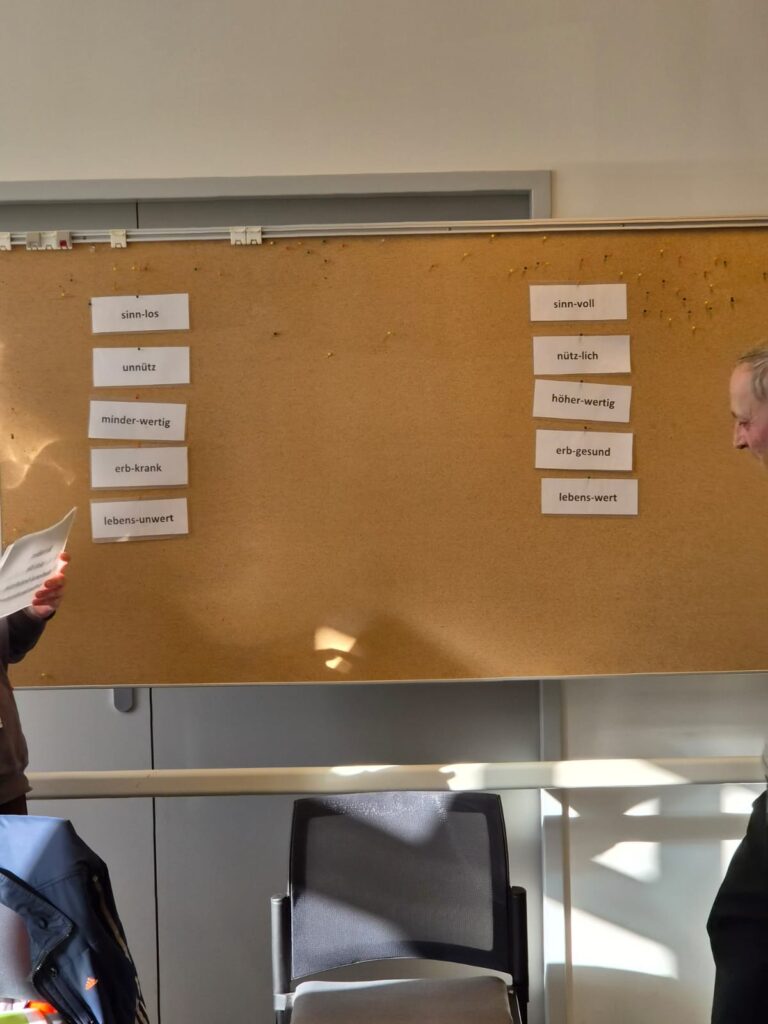
During the Nazi era, people with disabilities were classified as „unworthy of life“ and systematically murdered. When people with learning disabilities lead a visit to the „euthanasia“ killings at the memorial site, a particularly poignant and authentic form of mediation emerges. The guided tour is designed as a dialogue. In this way, it strengthens the awareness of inclusion among the visitors and removes fear of touch and misinformation. The exchange at eye level changes the perspective on the subject: the visitors come to know people with disabilities as knowledge-facilitators and not as objects of history.
Conclusion The memorial site transforms the place of exclusion into a place of participation. People with disabilities themselves convey what has been done to others who are like them.
The work on accessibility and inclusion in the learning and memorial site Schloss Hartheim, Austria
Dr. Mag. Arjun Pfaffstaller, Learning and Memorial Center of Castle Hartheim
The learning and memorial site Schloss Hartheim consistently builds on accessibility and inclusion to ensure that as many people as possible can discover the history of the place on their own terms.
Memory and Responsibility
Schloss Hartheim is closely linked to the history of people with disabilities, learning difficulties, and mental illnesses. From 1940 to 1944, the Nazis murdered around 30,000 people there as part of Aktion T4 and the „Special Treatment 14f13“. The Learning and Memorial Center conveys this history and understands accessibility as an essential part of a responsible memory culture.
Accessibility is continuously being expanded
As soon as the opening took place, structural measures, tactile orientation plans and individual relief images were implemented. Since then, adjusted door thresholds, texts, and tour brochures in simplified language have been added, as well as brochures in German and English Braille.
Digital offerings also complement the visit: the app for the memorial site and exhibition „The Value of Life“ offers space texts in sign language, simplified language at levels A2 and B1, several foreign languages, and a reading function. This makes information accessible to meet different needs.
Participation instead of mere accessibility
A central focus is on the active participation of people with learning difficulties. They contributed to the development of support services in easy-to-understand language. These are intended to enable encounters on equal footing, strengthen self-determination, and encourage exchange during visits.
With the project „Our history(s)“ This approach will be continued. Plans include a dual guidance system for blind and visually impaired people, barrier-free evacuation solutions, and accompaniment in Austrian sign language. At the same time, clients of the Hartheim Institute will be trained to become guides and experts. The format of future tandem accompaniment will be developed together with them.
Accessibility in Schloss Hartheim therefore means not only removing obstacles, but also involving people with disabilities as co-creators of the mediation work.
thinking differently – participatory memory culture
Stana and Stefan Schenck, inclution gUG
In his presentation, Stefan Schenck describes how the transfer of the death certificates from the former health and care facility Meseritz-Obrawalde to the State Archives in Berlin in 2010 resulted in a participatory and barrier-free memory culture for the victims of the Nazi „euthanasia“ in Germany. He goes on to discuss the platform gedenkort-T4.eu and the inclusive round table T4, which is the official design competition for the memorial and information site in Tiergartenstraße 4, as well as the conference of the gedenkort-T4.eu working group in 2013, which is a milestone for inclusive mediation work.
Memory must be accessible in terms of space, language, communication, and content; people with disabilities must contribute to shaping the memory culture („Nothing about us without us!“). Young people renew the memory culture when they are given the space to do so.
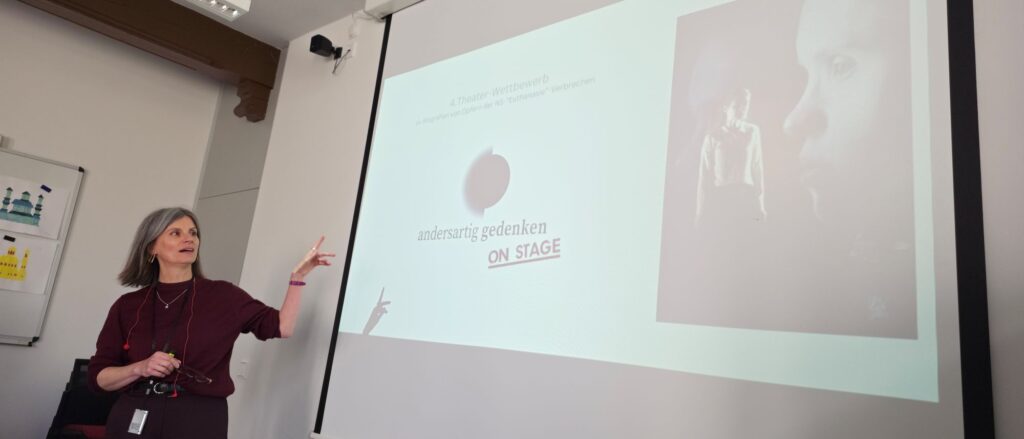
Stana Schenck then presented the nationwide student competition „andersARTig gedenken“.
In „Andersartig gedenken,“ theater groups create life stories of victims of the Nazi „euthanasia“ crimes on stage. The presentation introduced the competition and explained its goals and criteria. It also shows how the jury works, presents examples of previous theater pieces, and allows for questions. The competition’s goal is to strip the victims’ biographies of oblivion and restore their dignity through shared remembrance, storytelling, and making them visible. At the same time, the groups are asked to think about how people with and without disabilities can live together today. This can happen during the rehearsal process or be part of the storytelling on stage. Productions in the adult theater category are included in the competition. Collaborations in the school sector are expressly welcome.
The jury will evaluate the submitted works in 2026 according to four criteria. „Idea and form of presentation“ and the „inclusive approach“ count the most with a maximum of 30 points each. „Artistic ambition“ and the „historical approach“ go into the evaluation with a maximum of 20 points each. This concerns the selection of biographies and the narrative form, as well as the stage design, sound, lighting and play, and the careful handling of historical facts. References to other diversity issues such as migration, flight or anti-racism are also possible. The impact of the engagement is shown by the voices of young participants. Many did not know the term „euthanasia“ before and are shaken by what has happened. They wish the topic would receive more attention. Further information can be found at andersartig-gedenken.de.
The competition is thus another inclusive form of sustainable educational outreach on the history of the Nazi mass murders.
Photo gallery
We thank the Brandenburg Memorial Foundation – Memorial to the Victims of Euthanasia Murders for their hospitality, as well as the city of Seelow for organizing the professional workshop.