
Berlin, September 29, 2026
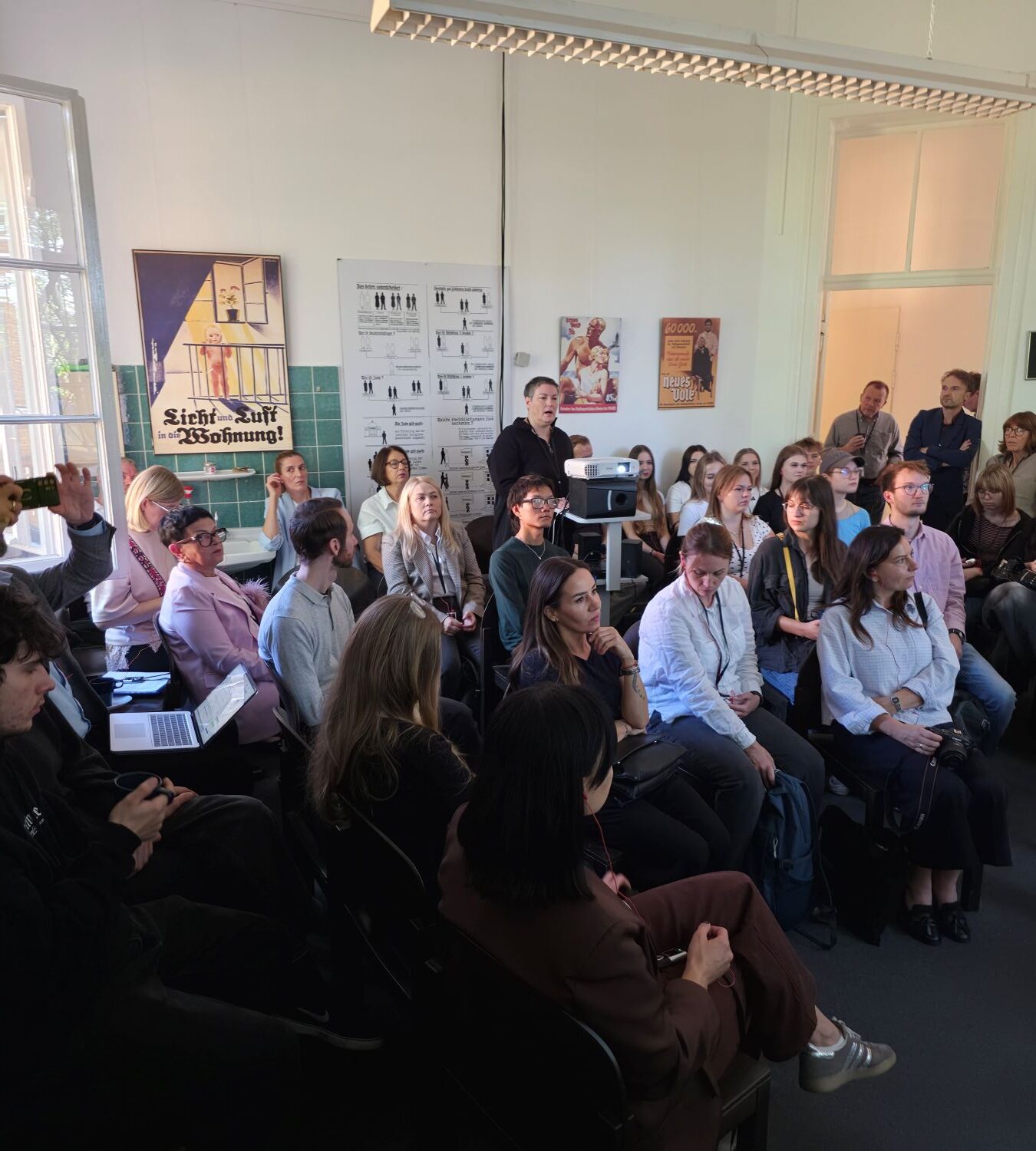
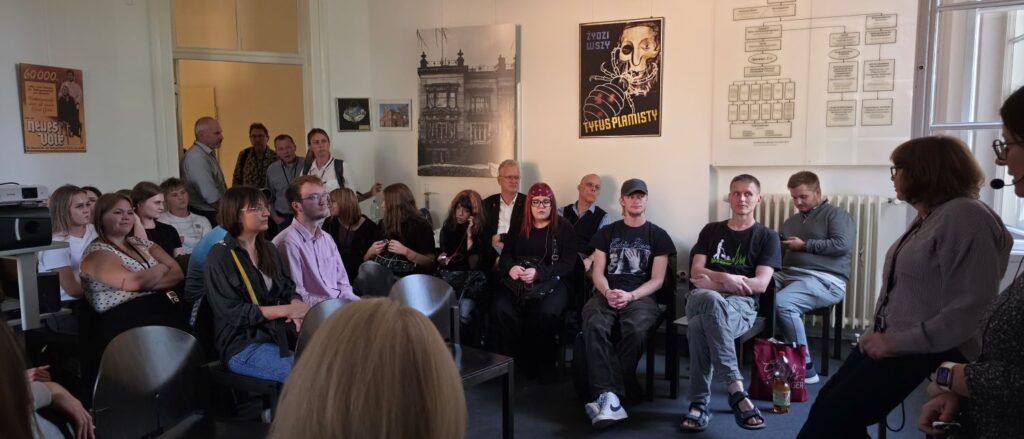
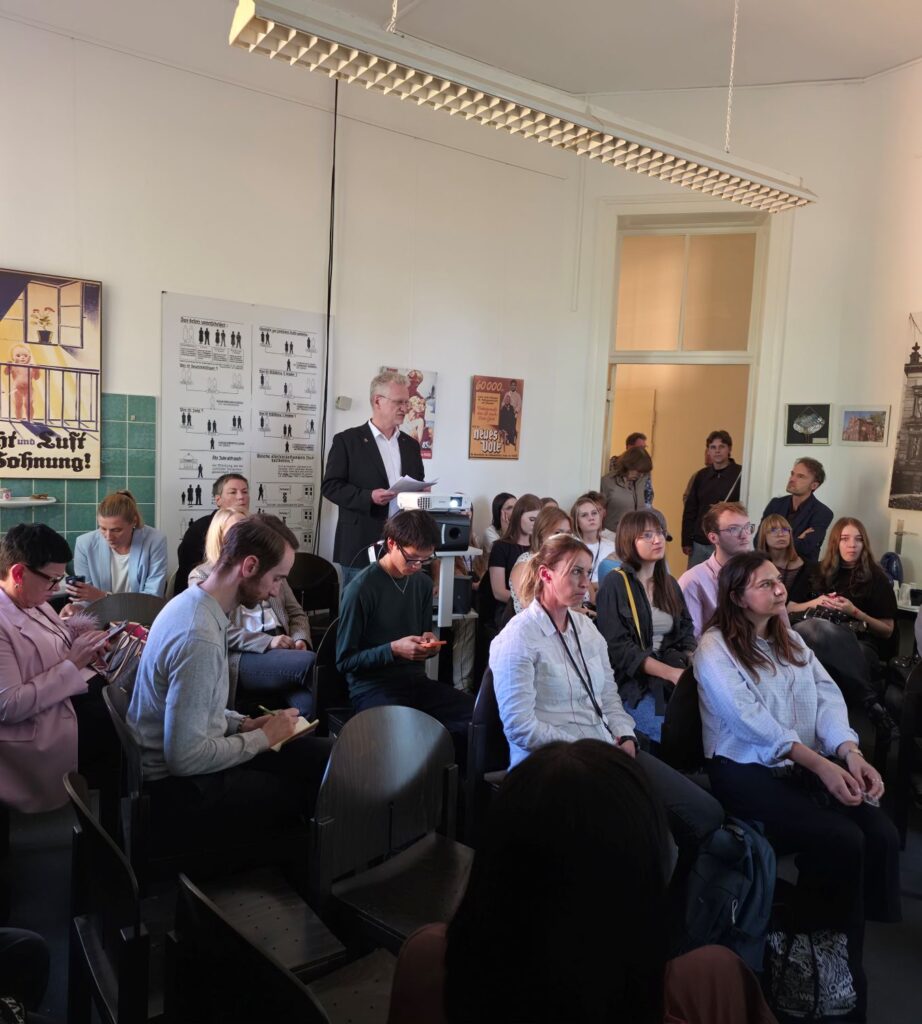
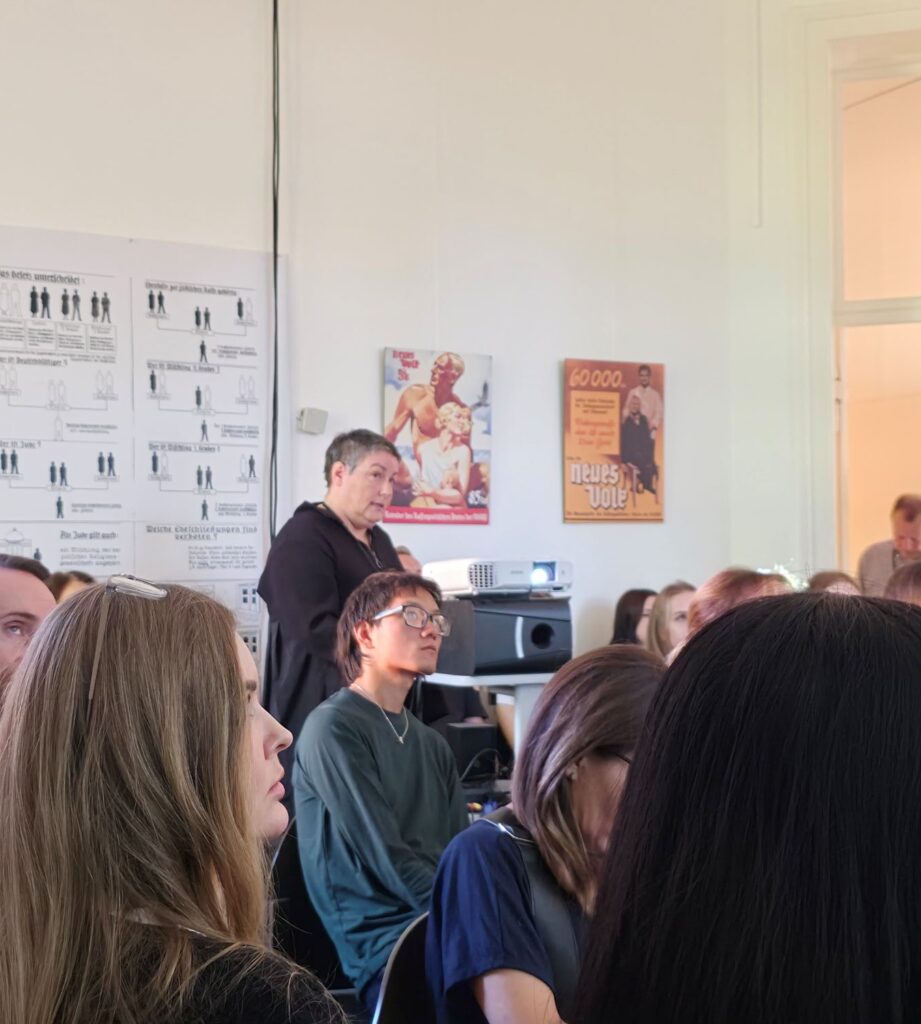
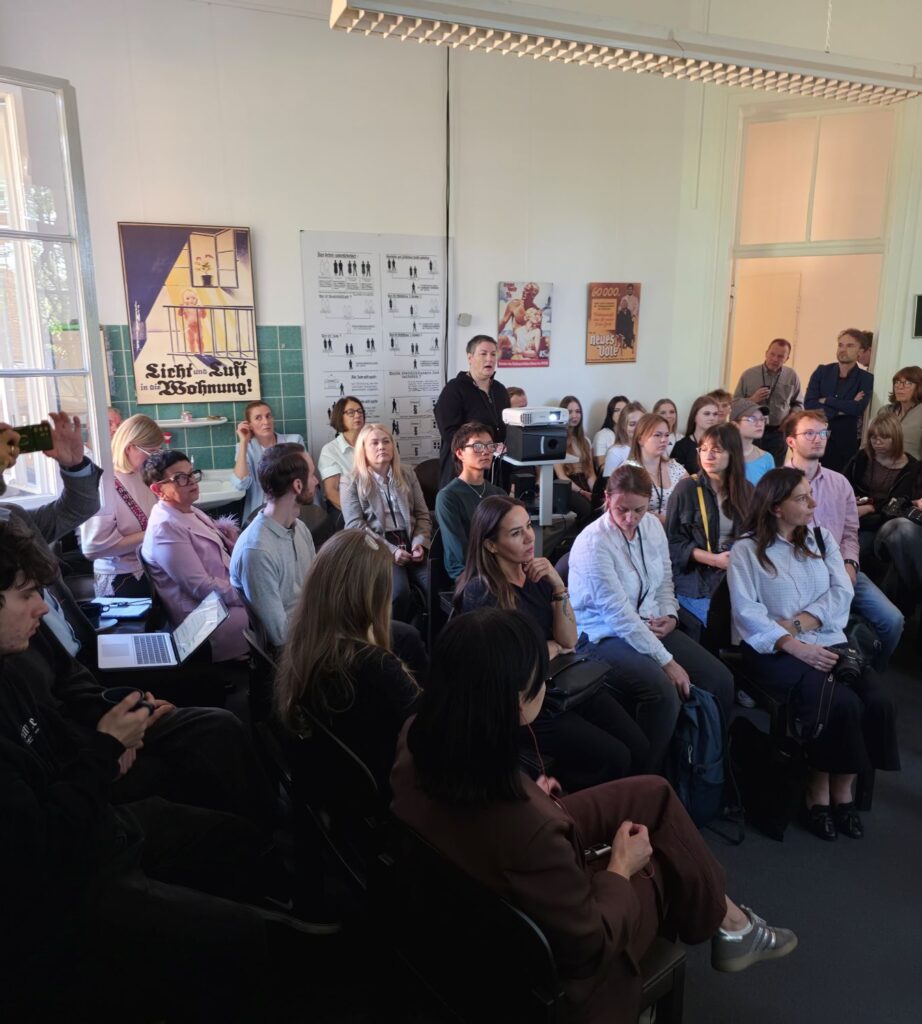
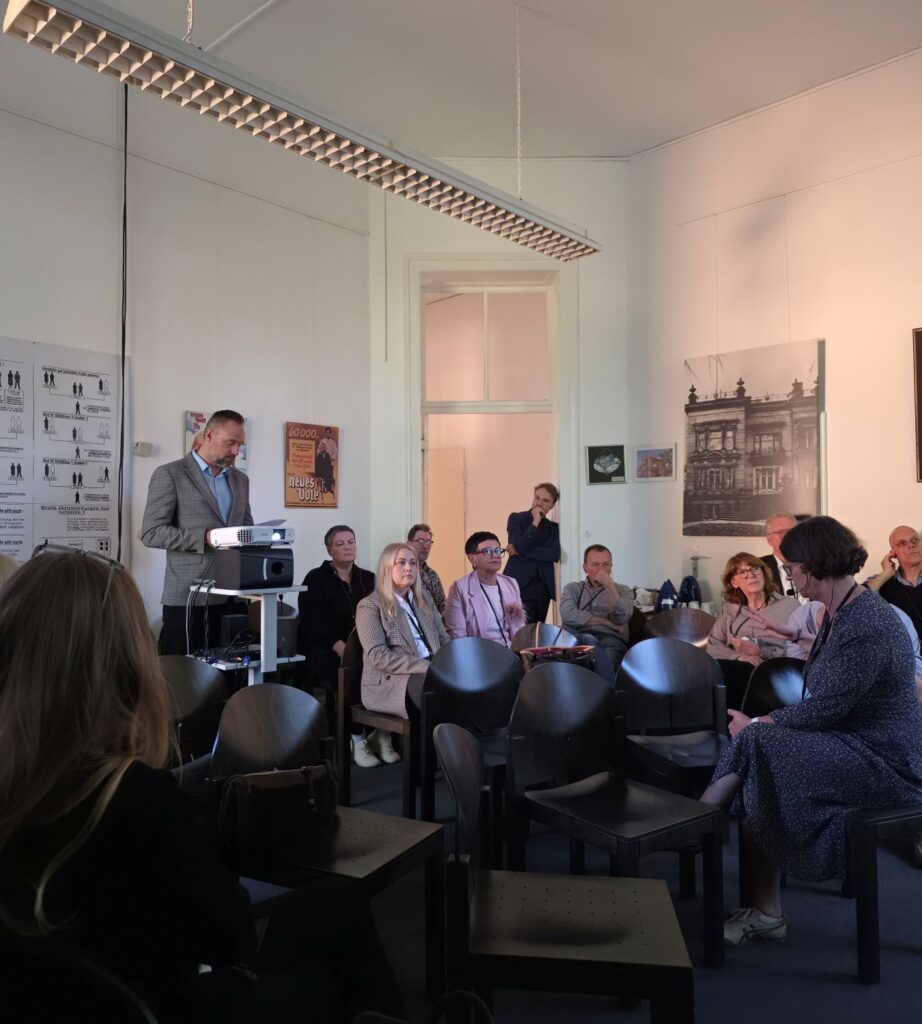
As part of the first German-Polish project week of the project „Living Memorial Sites“, an introductory workshop on Nazi medical murders was held in Berlin at the exhibition „totgeschwiegen“. The focus of the project workshop was the introductory presentations by Dr. Kathleen Haack, University Medical Center Rostock, and Stefan Schenck, inclution gUG, as expert advisors for Nazi medical murders and inclusion in remembrance work. In addition, the project partners presented their respective project progress.
Nazi medical murders: Responsibility on the ground
Dr. Kathleen Haack, University Medical Center Rostock
Around 20,000 people were murdered or sent to their deaths in Pomeranian institutions between 1939 and 1945. This is the conclusion of the presentation by Dr. Kathleen Haack, a medical historian at the University Medical Center in Rostock. In Berlin, on September 29, 2026, she explained the ideological foundations, organizational processes, and regional responsibilities of the Nazi-era mass murders.
The National Socialist concept of a „healthy body“ established the value of a person based on alleged hereditary health and ability to perform. Medicine, administration, and politics collaborated in the exclusion and murder of people with disabilities and mental and neurological illnesses. The euphemistic term „euthanasia“ obscured these crimes.
The presentation distinguishes several interconnected murder complexes: the centrally organized „Action T4,“ the so-called „children’s euthanasia,“ regionally-based patient murders, and the early East German transports. Reporting forms were used to systematically collect and select female patients. From Pomeranian facilities, transports led, among other places, to Brandenburg, Bernburg, and Pirna.
A focus is placed on the deportations between November 1939 and February 1940. Even before the start of the „Action T4“, people from Pomeranian institutions were brought to occupied Polish territories and murdered, among other things in connection with the massacres of Piaśnica and the killings at Kosten.
The termination of the central „Operation T4“ in 1941 did not end the killings. Until 1945, people were killed in institutions through medication and targeted food deprivation. Children were also victims of organized killing procedures.
Central thesis: For Pommern, the responsibility of regional decision-makers is particularly significant. The crimes were not solely the result of central orders, but were prepared, facilitated, and implemented locally.
In the ensuing discussion it was also pointed out that almost all the perpetrators did not have to face consequences for their actions; after the war, some of them continued to practice them and reached a high age.
Come along. Understand. Contribute. Inclusion in vibrant places of remembrance
Stefan Schenck, inclution gUG
Come along, understand, and participate
Memorial sites are meant to make history accessible and enable people to shape remembrance. This is the central message of the lecture on the German-Polish project „Living Memorial Sites“. The focus is on the planned memorial garden in Międzyrzecz-Obrzyce, in which trainees from Germany and Poland are involved to commemorate the Nazi-era forced labor camps. Inclusion must be considered from the very beginning: in terms of paths, information and participation. Three questions provide the direction: Who can get involved? Who can participate? Who can decide together?
Planning accessibility together
For the garden, this means solid, sufficiently wide paths, clear orientation, seating areas and places to retreat. Information should be readable, understandable, and available in German and Polish. Audio and tactile offerings can create additional access points. However, essential content must not be exclusively available digitally.
It is crucial to involve people with different disabilities early on. They should comment on drafts, test out options and services, and have a real influence on decisions.
Making life stories visible
Two examples illustrate this approach: The Berlin memorial and information site Tiergartenstraße 4 combines physical accessibility with various educational offerings. The theater competition „Andersartig Gedenken on Stage“ enables people with and without disabilities to co-create memories together.
Both show that behind the numbers of victims are people with relationships, interests, and hopes. Their life stories deserve to be told.
Inclusion does not end with the opening. Care, the weather, and feedback all influence how accessible a place remains in the long term. A vibrant memorial site combines historical remembrance with contemporary participation – and constantly re-examines its claim to be so.
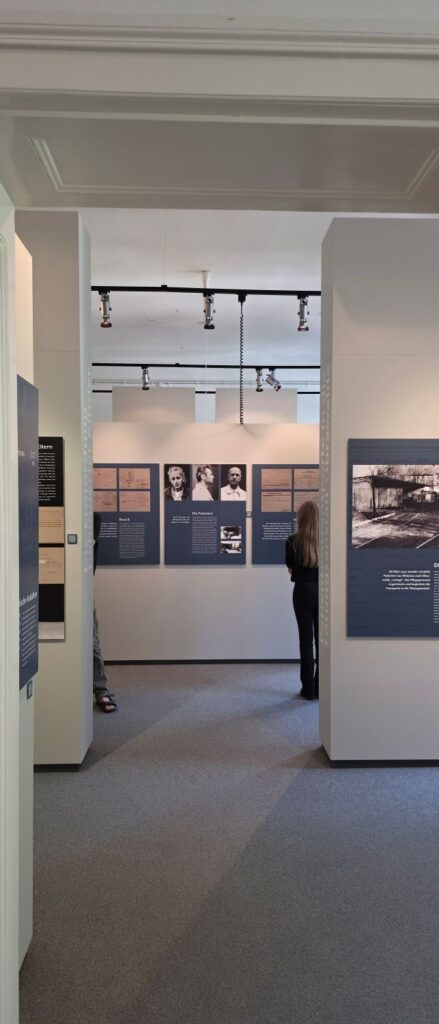
Following the introductory presentations, the participants were able to view the exhibition in silence. We thank the Verein totgeschwiegen e. V. and the district of Charlottenburg-Wilmersdorf for their organization and hospitality.



Leave a Reply