Tag: Remembering the Second World War

  • SEELOW HEIGHTS MEMORIAL AND MUSEUM

    SEELOW HEIGHTS MEMORIAL AND MUSEUM

    Where the war was.

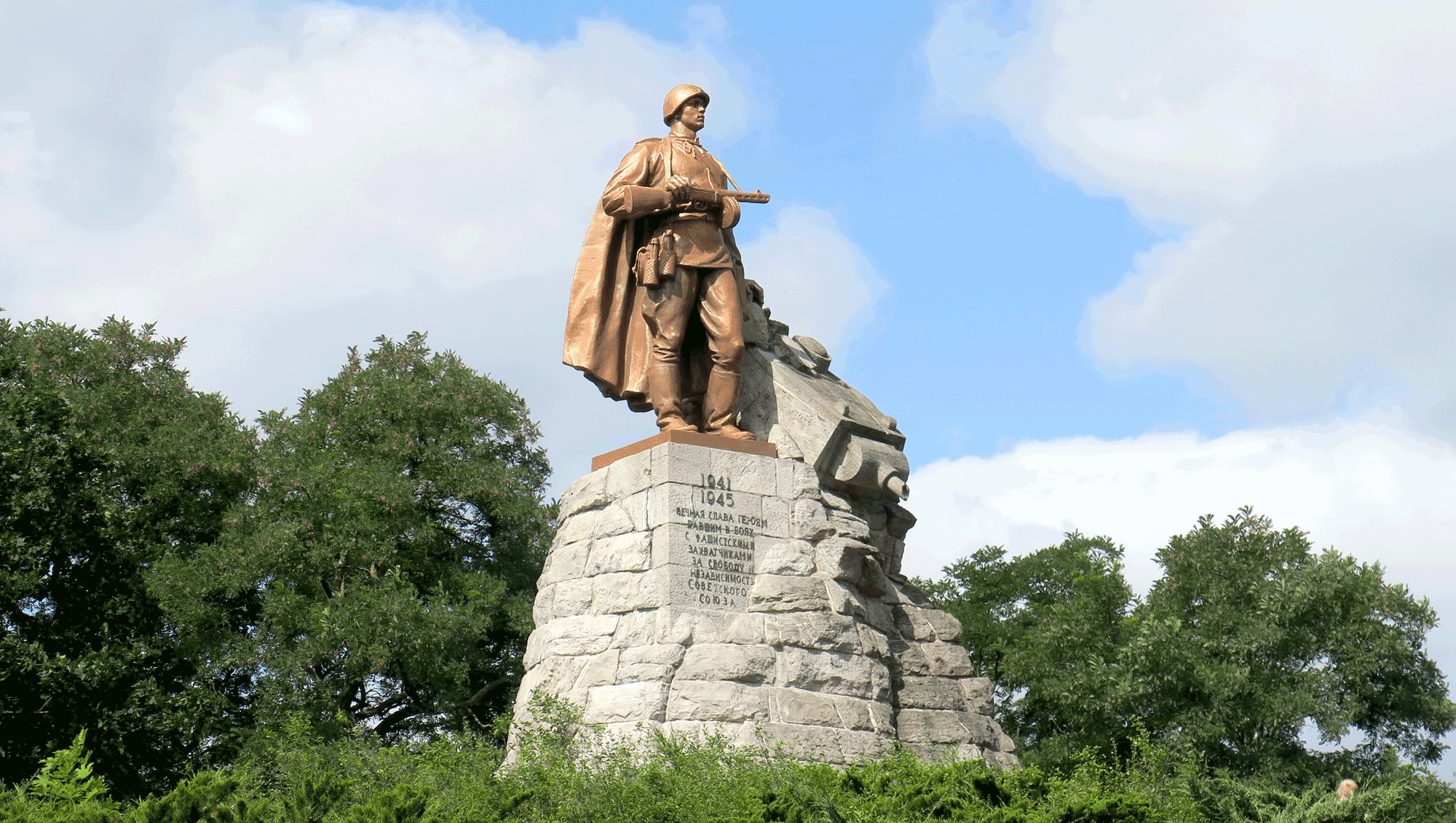
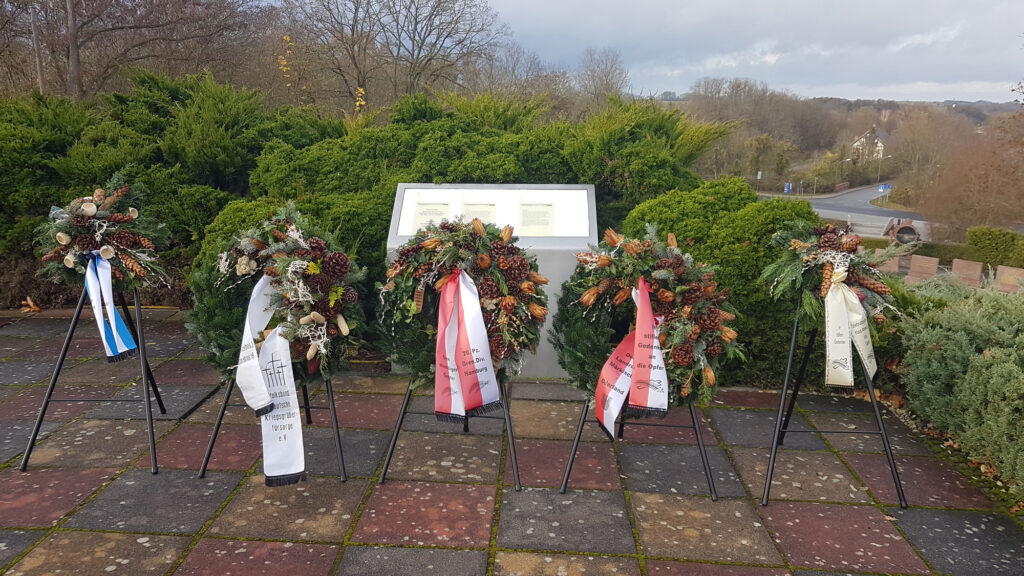
    The Battle of the Seelow Heights was one of the last and largest battles of the Second World War on German soil. It took place from 16 to 19 April 1945 and marked the beginning of the Soviet attack on the German capital.

    By mid-April 1945, the Red Army on the Oder had completed its preparations for the general attack on Berlin.
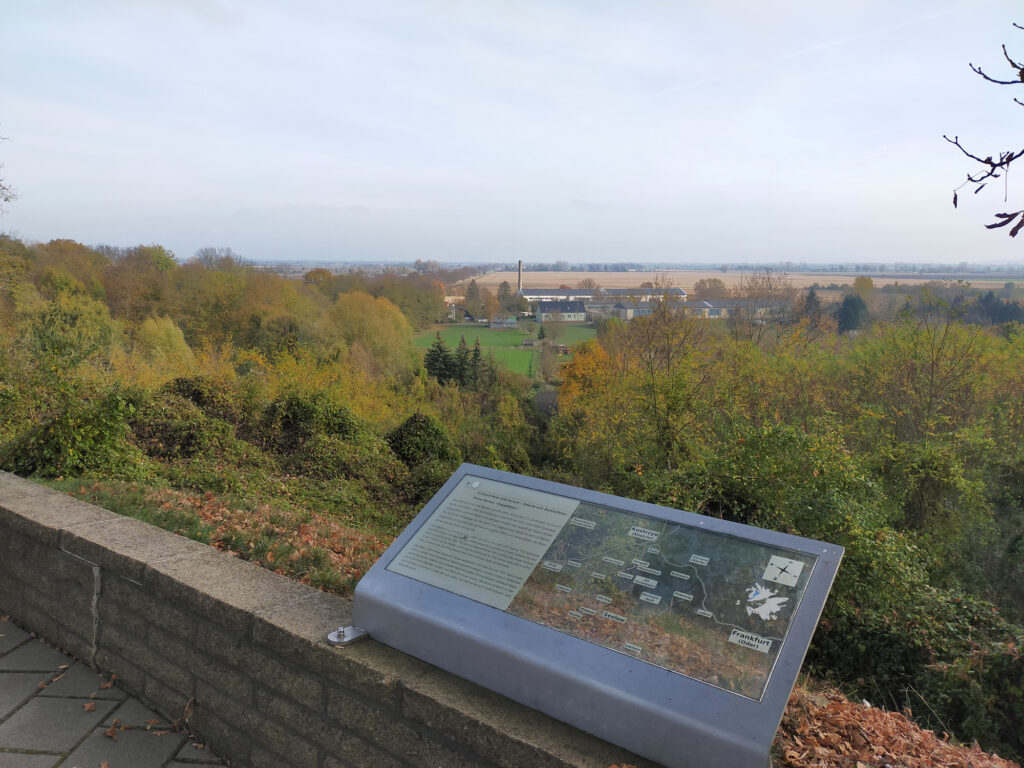
    The damp and wet lowlands of the Oderbruch and the Seelow Heights, which rose up to 70 metres behind it, were the last major natural barriers before Berlin. Supreme Commander Zhukov planned a massive attack to break through the German defences there. The German leadership hoped that a successful defence would split the anti-Hitler coalition. The Soviet side aimed to defeat the Wehrmacht once and for all and end the war. The battle began with a massive barrage of Soviet artillery. It was one of the most intense bombardments of the war, although some of it rained down on positions that had been evacuated according to plan. While the night was still foggy, the Soviet ground troops opened the main attack and crashed into the deeply echeloned German positional system. On the second day of fighting, the Red Army succeeded in breaking through the positions on the Seelow Heights on both sides of the Seelow base and, on the fourth day, the third and final defence strip.

    On 20 April, their combat units reached the outskirts of Berlin. The Soviet operational plan significantly shortened the subsequent battle for Berlin: at the same time as the breakthrough at the Seelow Heights, Soviet troops advancing from the south-east overflew the enemy flooding back from the Oder line. This prevented them from retreating to the Berlin area and reorganising in an orderly fashion. The Wehrmacht surrendered on 8 May. The war in Europe came to an end. Unable to accept the hopelessness of continued fighting, the Battle of the Seelow Heights illustrates the willingness of the Nazi state to throw all tangible human reserves against a vastly superior enemy in order to survive. At the same time, this raises the question of what kept the combatants on both sides willing to fight. Even today, combat equipment and human remains are still being recovered on site.

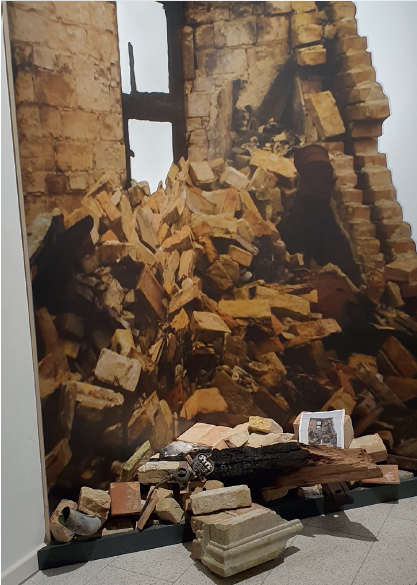
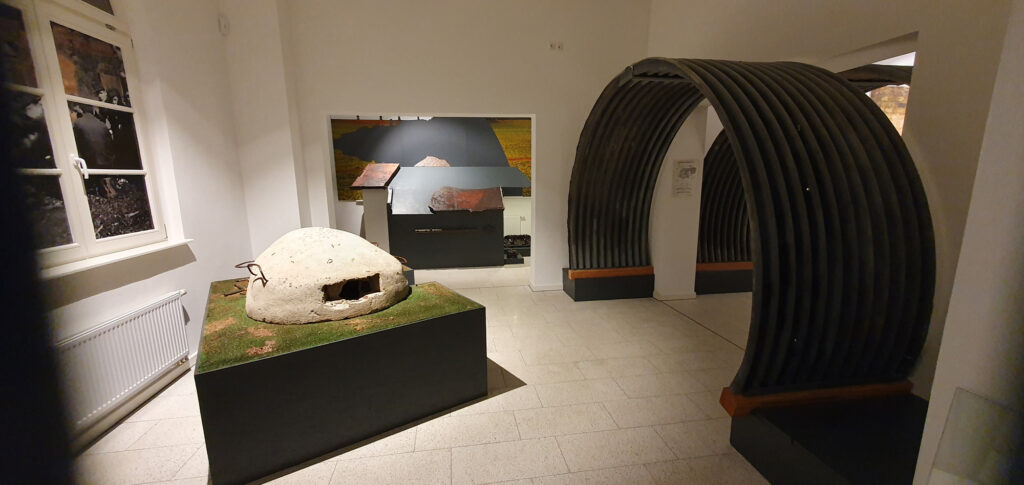
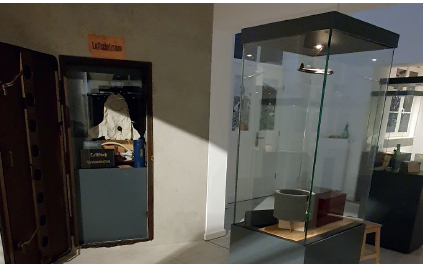
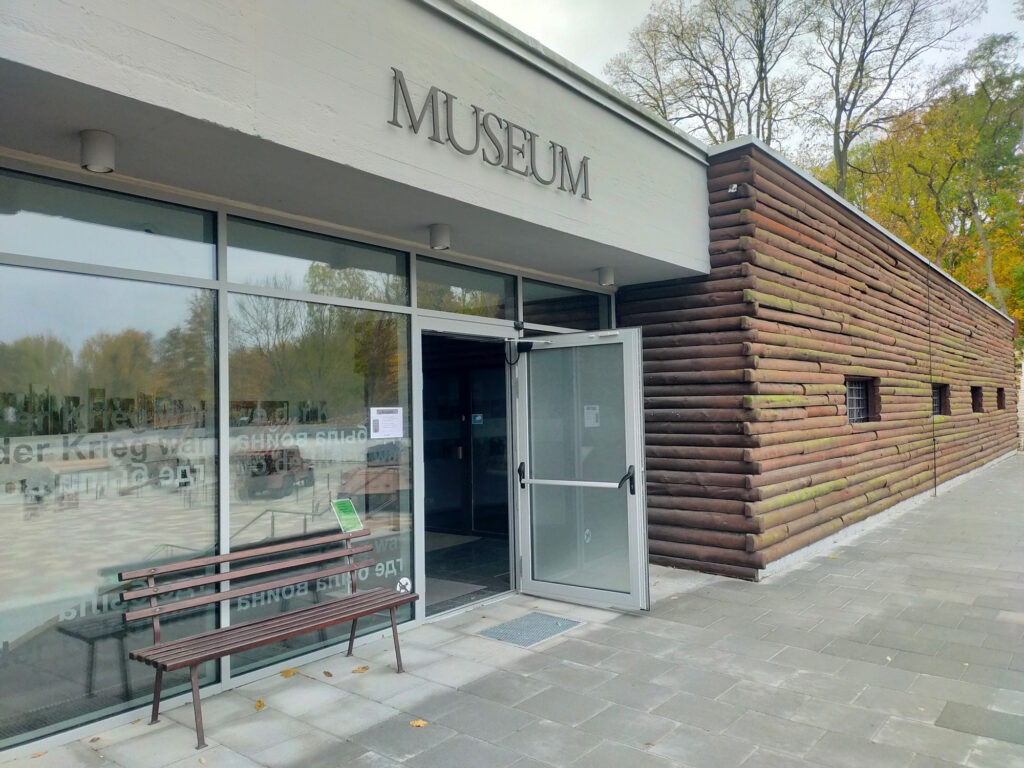
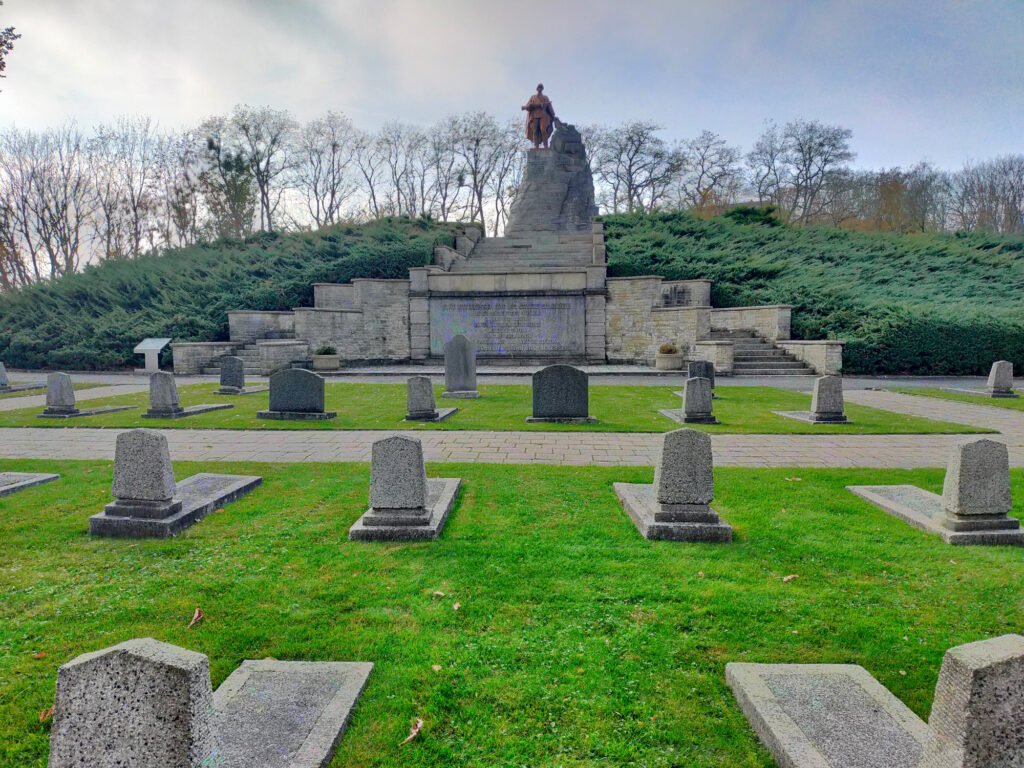
    For history buffs, the region thus offers a moving insight into the final days of the Second World War. In the memorial, visitors can experience a permanent exhibition with exhibits, maps and recorded eyewitness conversations that illustrate the dramatic course of the fighting. The open-air site, which is always accessible, includes tank and gun emplacements as well as a Soviet war cemetery with a representative memorial. Guided tours and information boards offer in-depth insights into the historical events and the significance of the site.

    The history of the Battle of the Seelow Heights as an audio report (Language: German)

    (Language: English)

    (Language: Polish)


    History trail war events 1945

  • MUSEUM OF THE KÜSTRIN FORTRESS

    MUSEUM OF THE KÜSTRIN FORTRESS

    Unique surface monument on the Oder

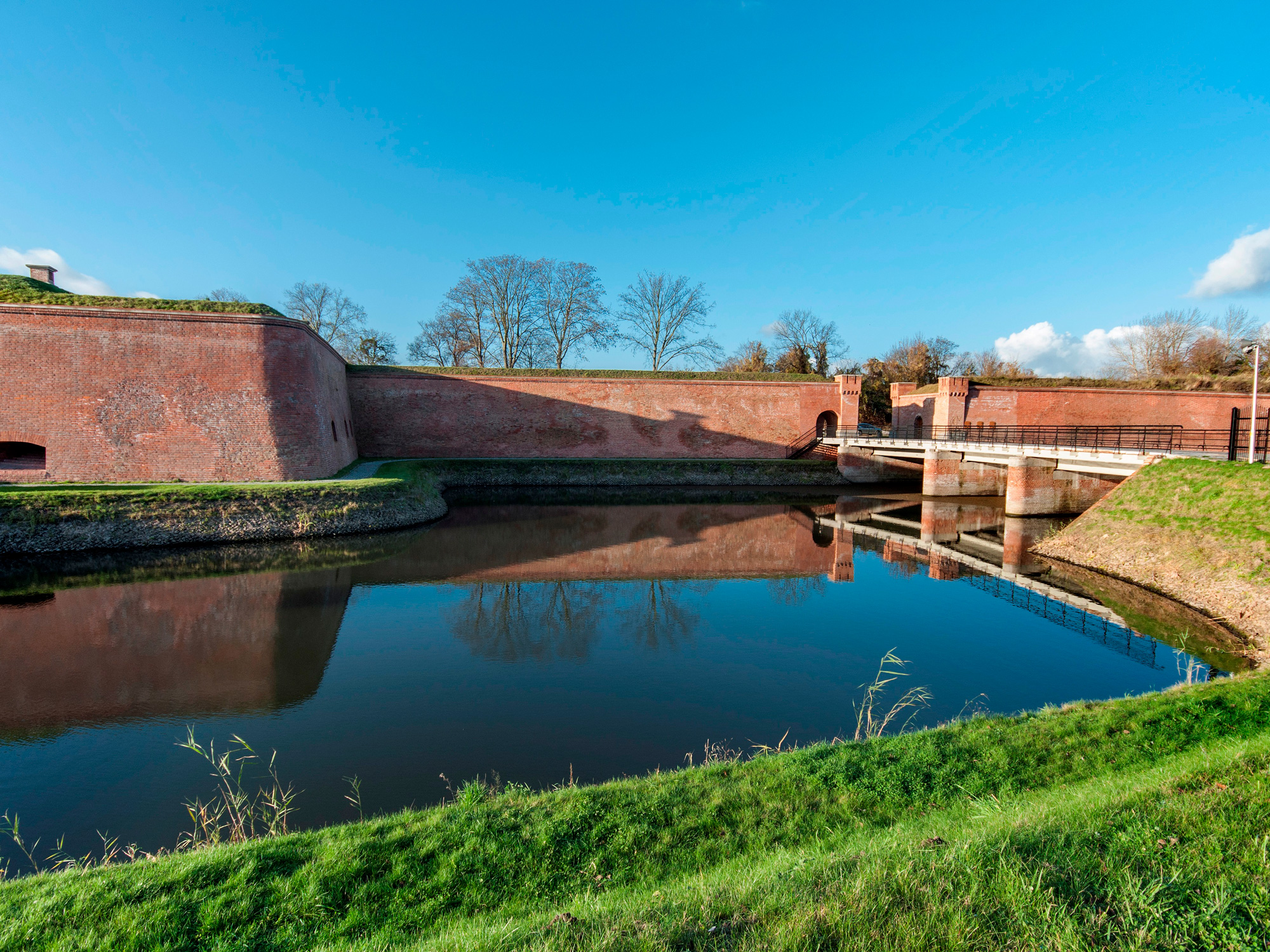
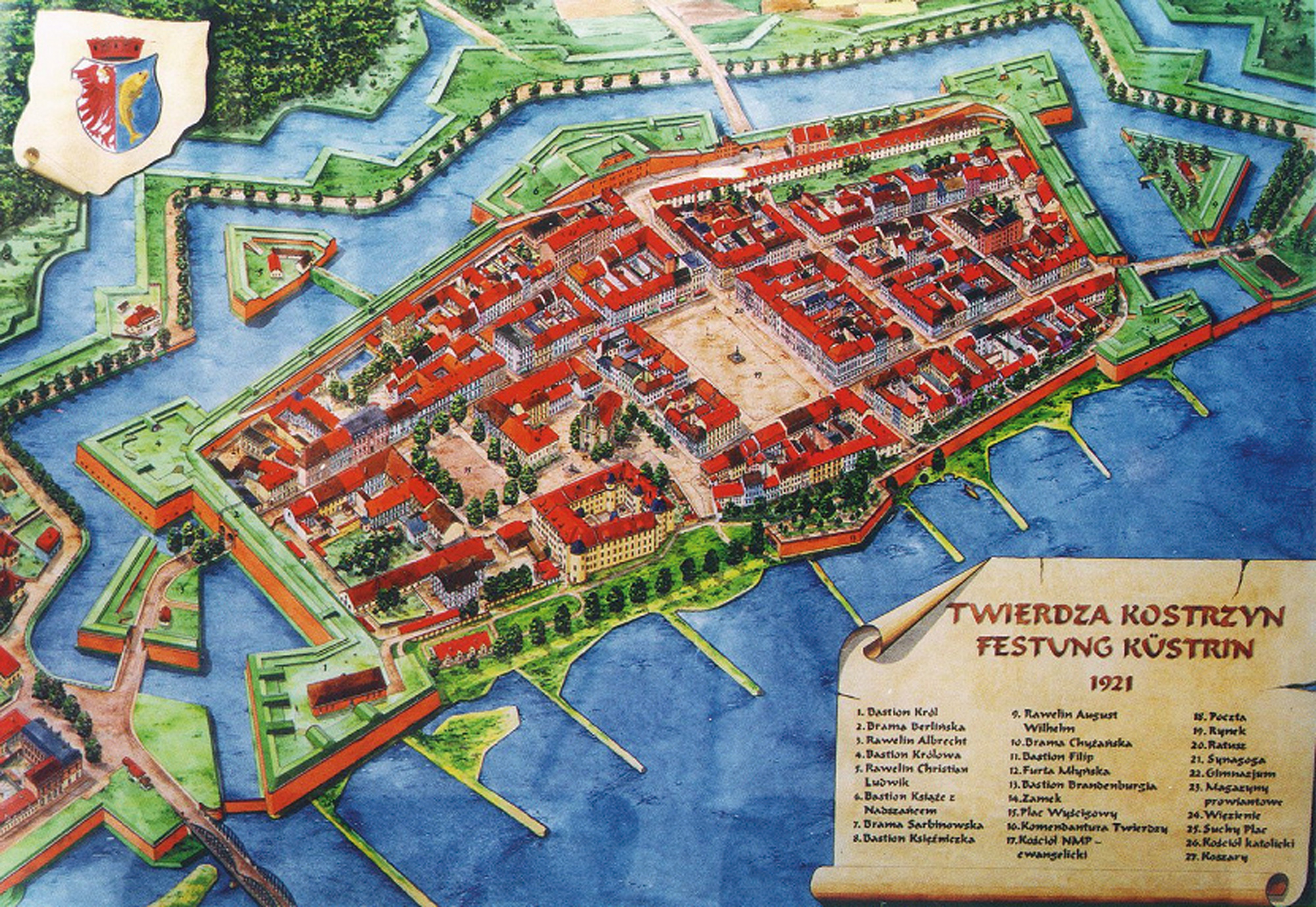
    The Prussian fortress of Küstrin was built in the middle of the 16th century and, with six bastions, was one of the largest European city fortresses of its time. It was continuously expanded until 1887 and four outer forts were added: Gorgast, Zorndorf (Sarbinowo), Säpzig (Zabice) and Tschernow (Czarnow). Due to advances in weapon technology, the fortress was technically obsolete shortly afterwards and its military function was abandoned.

    In January 1945, the Red Army advanced from the east, gaining considerable ground and driving refugees and scattered Wehrmacht units before them. Küstrin was an important target on the Oder because a railway line and a highway led directly to Berlin via the bridges. Meanwhile, the Germans once again declared Küstrin a fortress, made makeshift additions to the historic defences with obstacles and field fortifications and assembled a garrison of around 10,000 men to hold off the enemy as long as possible while they captured the town and occupied the bridges.

    The first Red Army units reached Küstrin on 31 January. In the following weeks, bridgeheads were set up under fierce German resistance and the city was sealed off except for a small corridor. However, it could not be taken. On 6 March, the Red Army began a simultaneous attack from several sides, which was to lead to the complete elimination of the defences. On 12 March, the new town of Küstrin was conquered. On 22 March, the Soviet bridgeheads were successfully brought together and the Küstrin fortress was cut off from supplies. German attempts to relieve the fortress were unsuccessful, which even Hitler's personal intervention could not change. From 24 March, the old town was bombed so heavily that no building survived. It was not until 30 March that the fortress was finally captured and replacement bridges for traffic and the railway were built. The first train rolled over the bridges towards Berlin as early as April 1945.

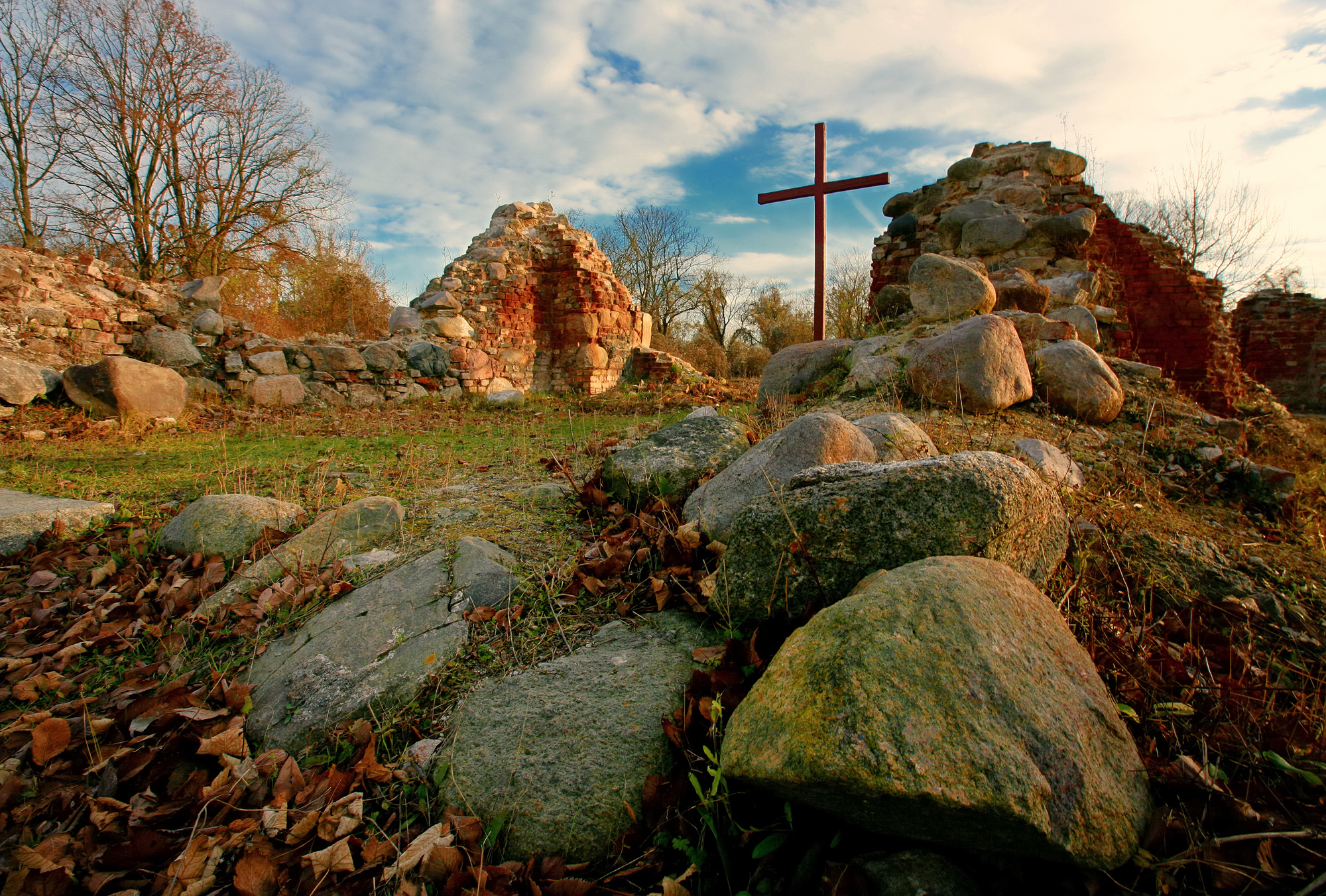
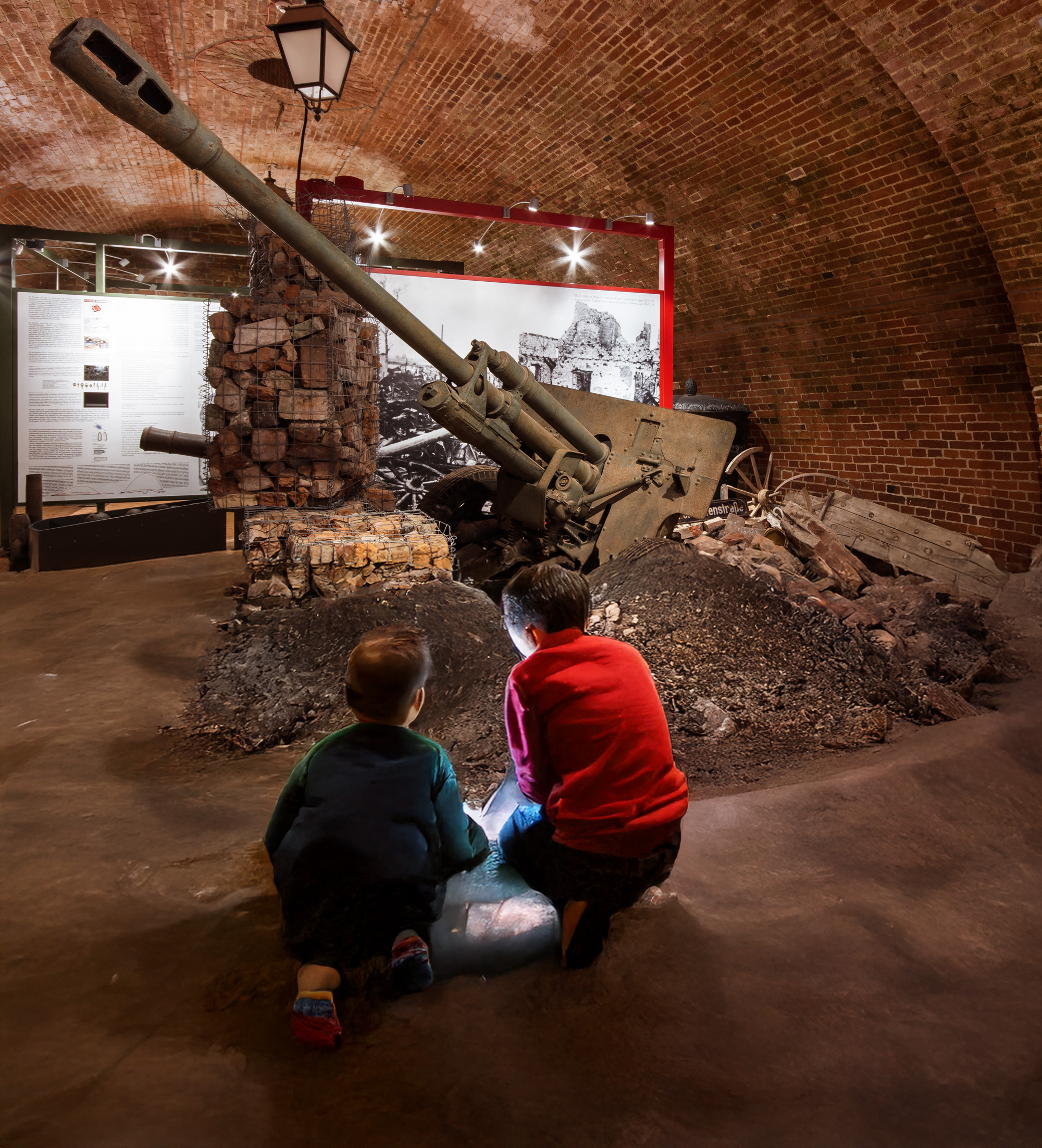
    On the western side of the Oder, the German troops used the time to expand their defences on the Seelow Heights, around 10 km away. The last major battle of the Second World War took place there from 16 to 19 April 1945. On 8 May 1945, Nazi Germany capitulated and the national borders in Europe were redrawn. As a result of Poland's shift to the west, Küstrin became Kostrzyn nad Odrą. The new town was rebuilt. The area of the old town was left to its own devices in the new German-Polish border region and was "forgotten" for almost 50 years. It was not until 1994 that some areas of the fortress began to be excavated, with ruins of old houses, paved streets and pavements coming to light under the mounds of earth. Today, the Küstrin Fortress Museum in Kostrzyn nad Odrą is a unique area monument, also known as the "Pompeii on the Oder". It is an impressive reminder of war and its consequences. Exhibitions tell the story of the fortress and information boards help visitors to tour the former old town centre of Küstrin.

    The history of the museum as an audio recording
    (Language: German)

    (Language: English)

    (Language: Polish)


    History trail war events 1945

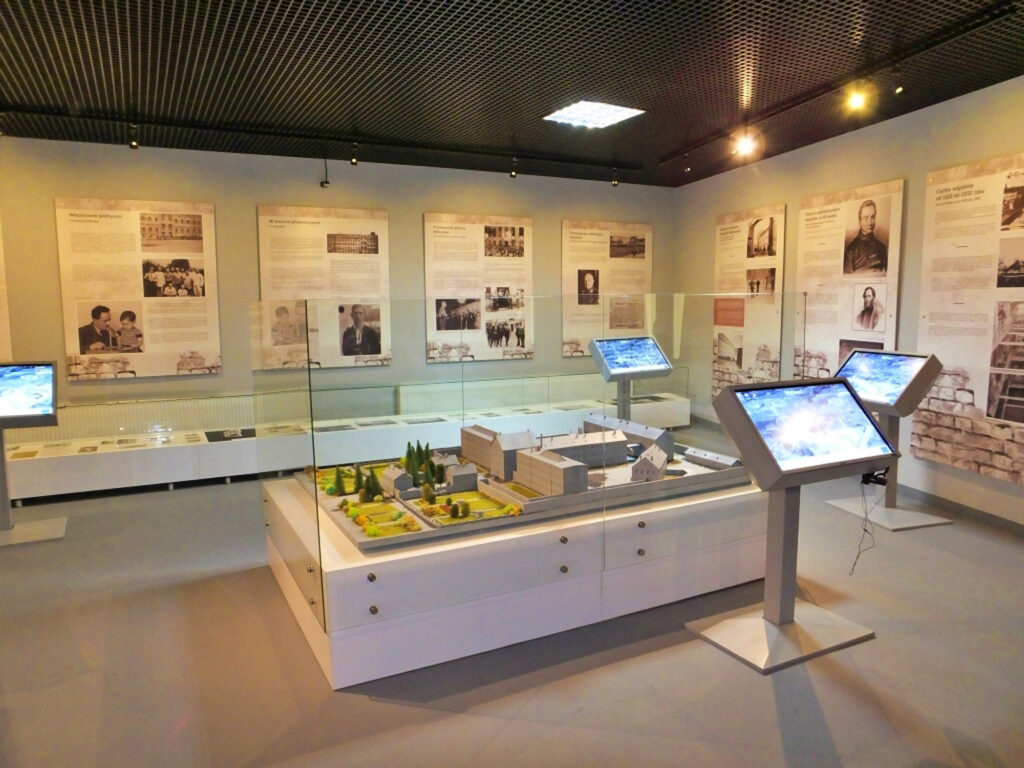
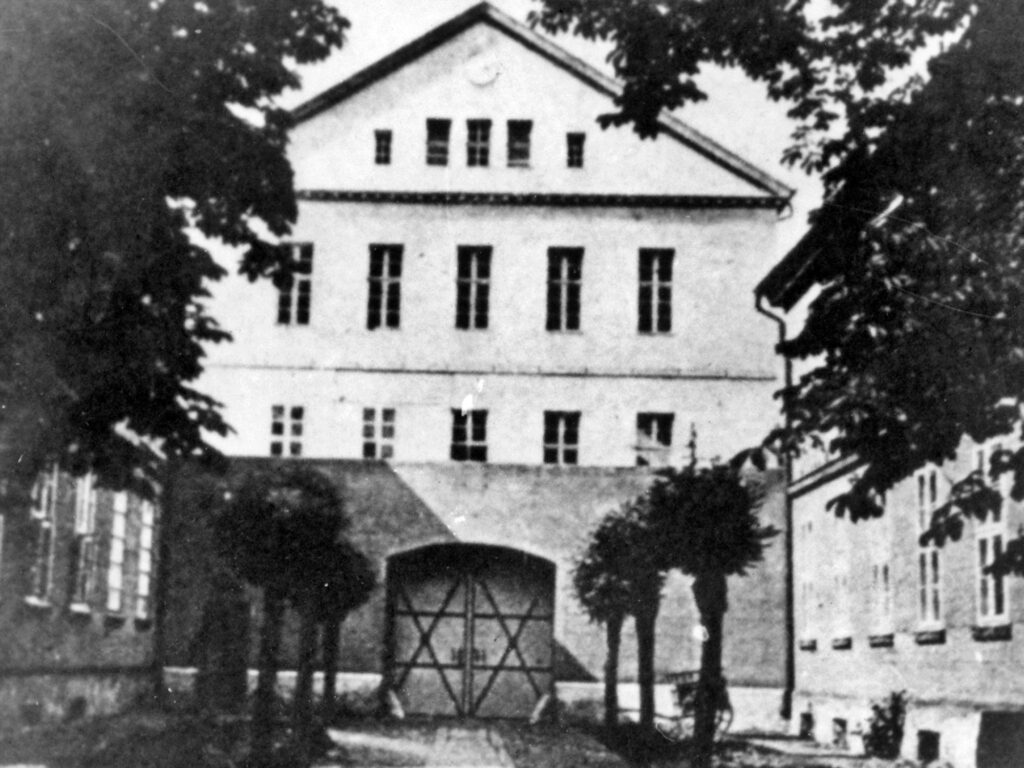
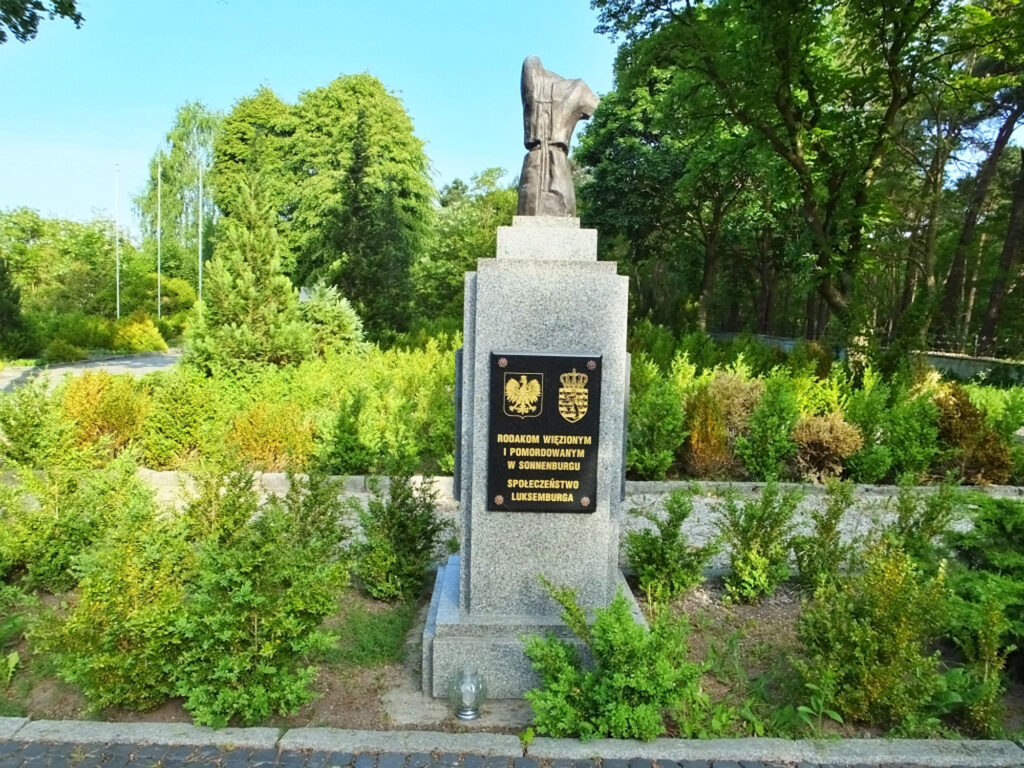
  • MARTYRDOM MUSEUM IN SŁOŃSK

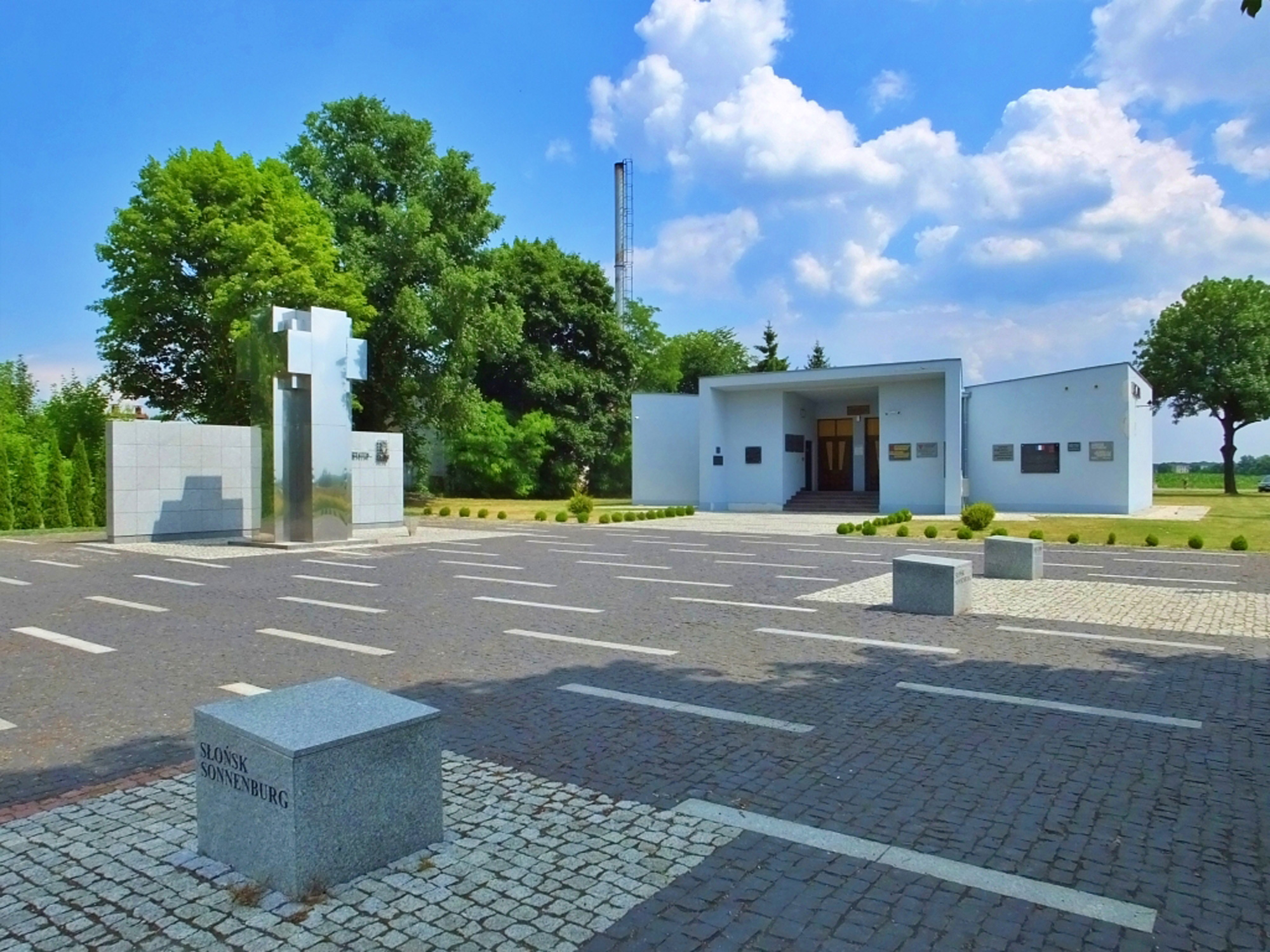
    MARTYRDOM MUSEUM IN SŁOŃSK

    The story of the museum as an audio contribution (Language: German)

    (Language: English)

    (Language: Polish)


    History trail war events 1945

en_GB