Project „Kulturland Spuren Lebus“
On 23 and 24 March 2026, project partners and experts came together at the Drei Eichen environmental centre and the Schweizer Haus in Buckow as part of the two-day specialist workshop „Development of participatory activities for nature connection and education“ to develop new impetus for environmental and cultural education. The workshop formed a central component of the EU-funded Interreg 6A project „Cultural Landscape Traces of Lebus / Cultural Traces of the Lubusz Region“ (2024–2027).
The objectives: Common criteria and a guiding thread„
The main objective of the moderated workshop was to practical guide as well as quality criteria to develop analogue and digital educational and nature-experience offerings. The participants were provided with concrete tools and methods to successfully implement their own participatory offerings at their respective project sites. In addition, the meeting served to lay the foundations for joint content and an overarching „red thread“ to tie together for the overall concept of all project partners.
Day 1: Didactic Foundations, Nature Pedagogy and Digital Innovations
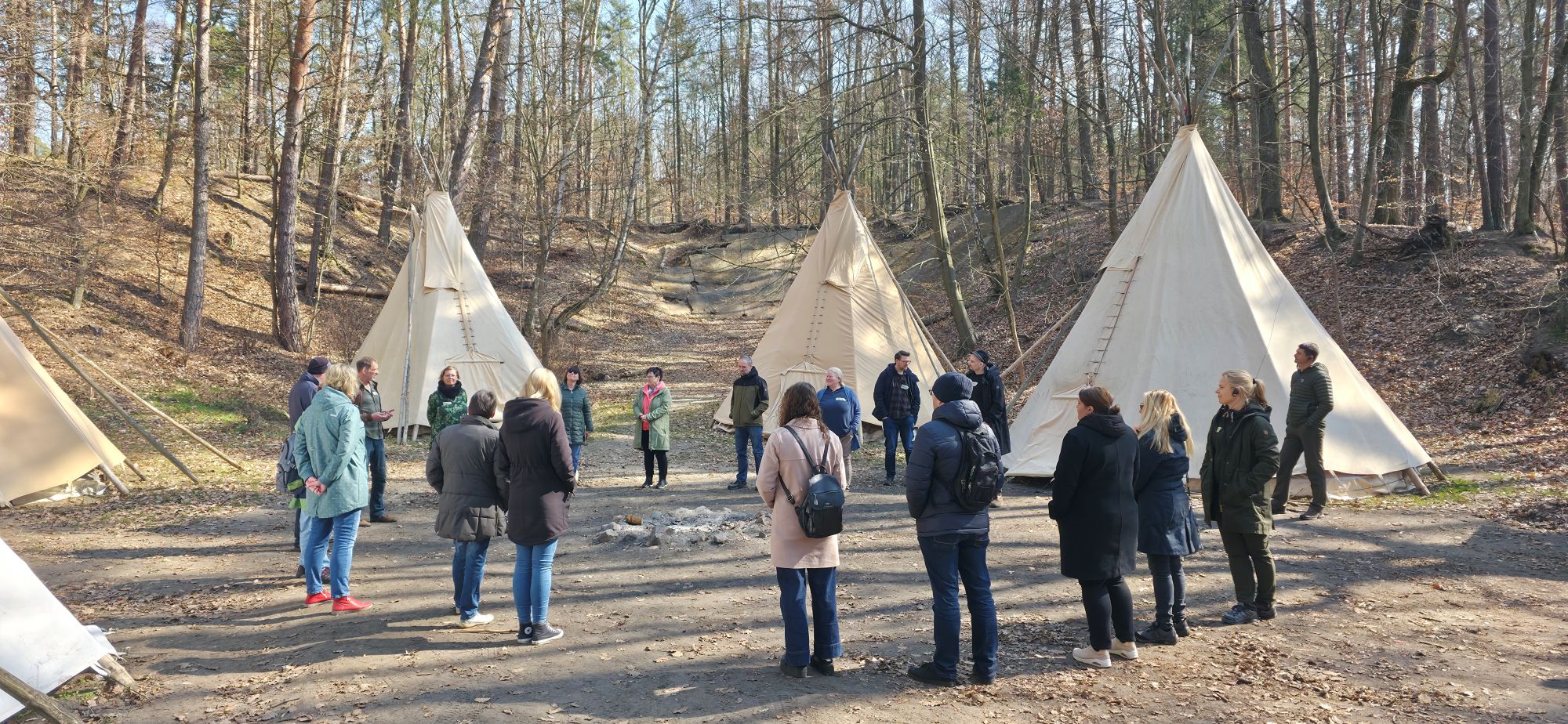
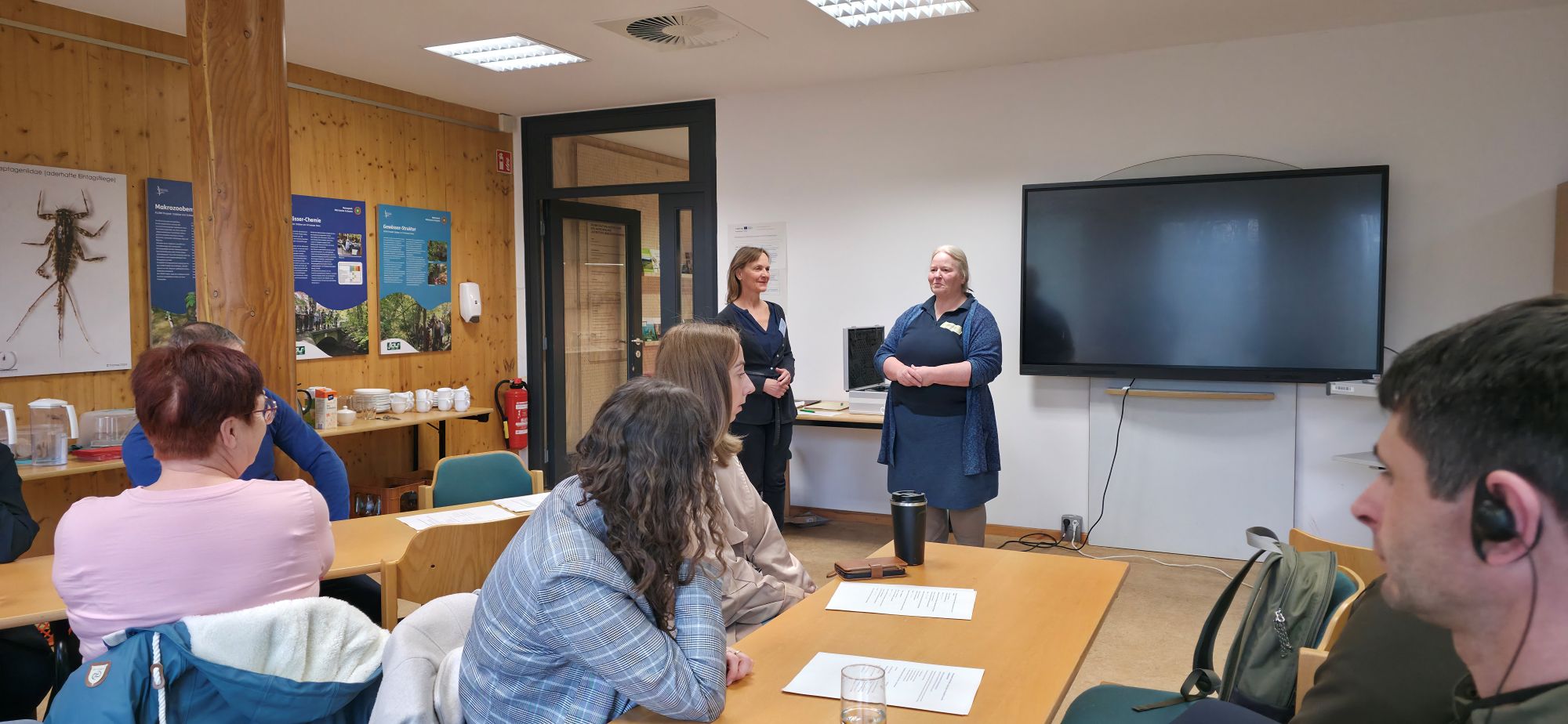
The first day at the Drei Eichen Environmental Education Centre was all about didactics and practical testing:
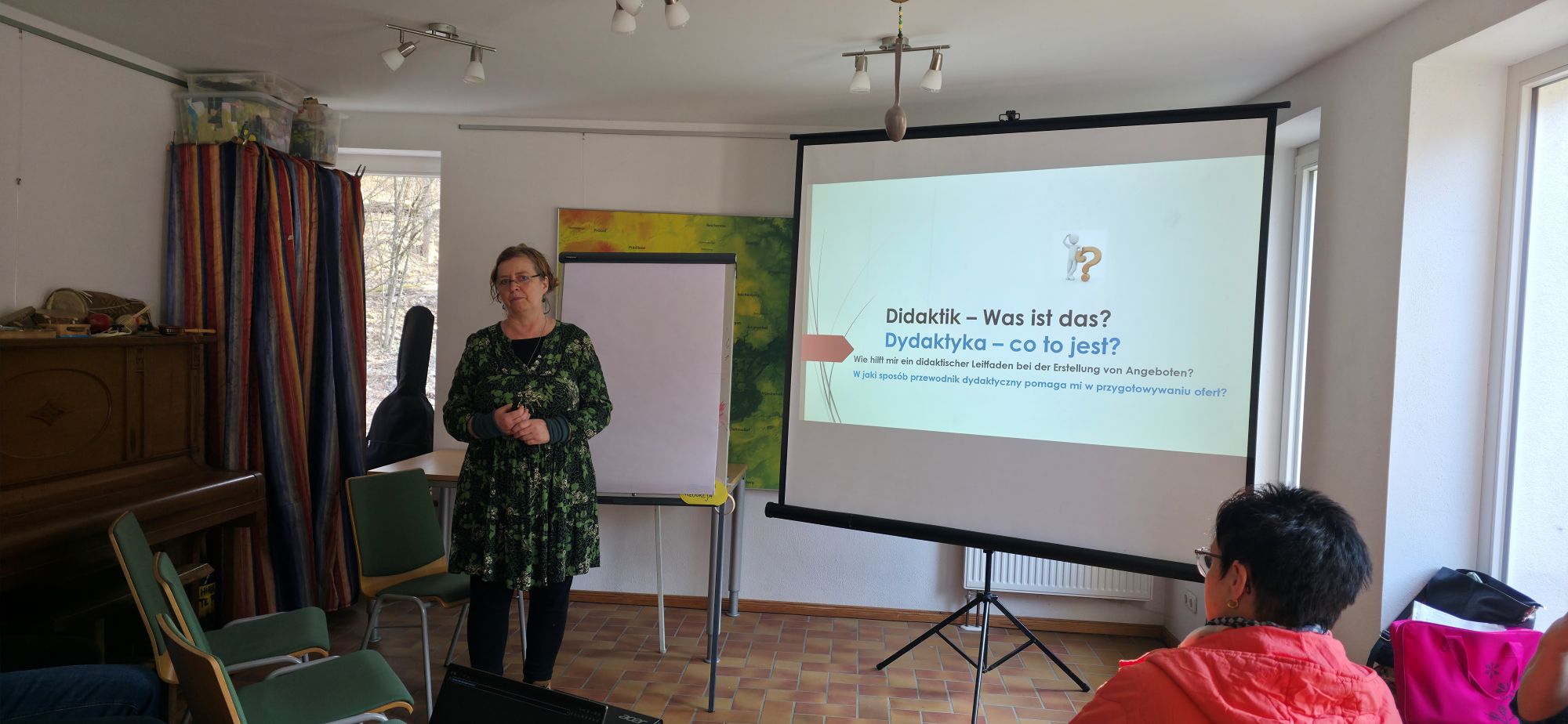
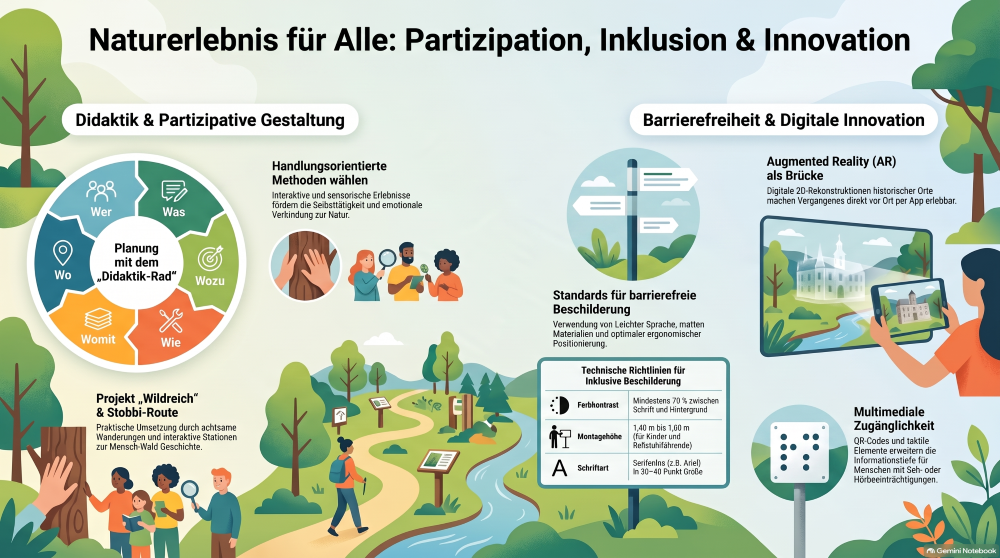
- Didactic Principles & Didactic Wheel: Sabine Stolze introduced the theory of teaching and learning, emphasising core principles such as Holistic education (learning with head, heart and hand), action orientation, methodological diversity and participation. As a structuring tool, the teaching bicycle (after Frank Waldschmidt-Dietz) presented, which educational offerings based on 6 W-questions (Who? What? What for? How? With what? Where?systematically plans.
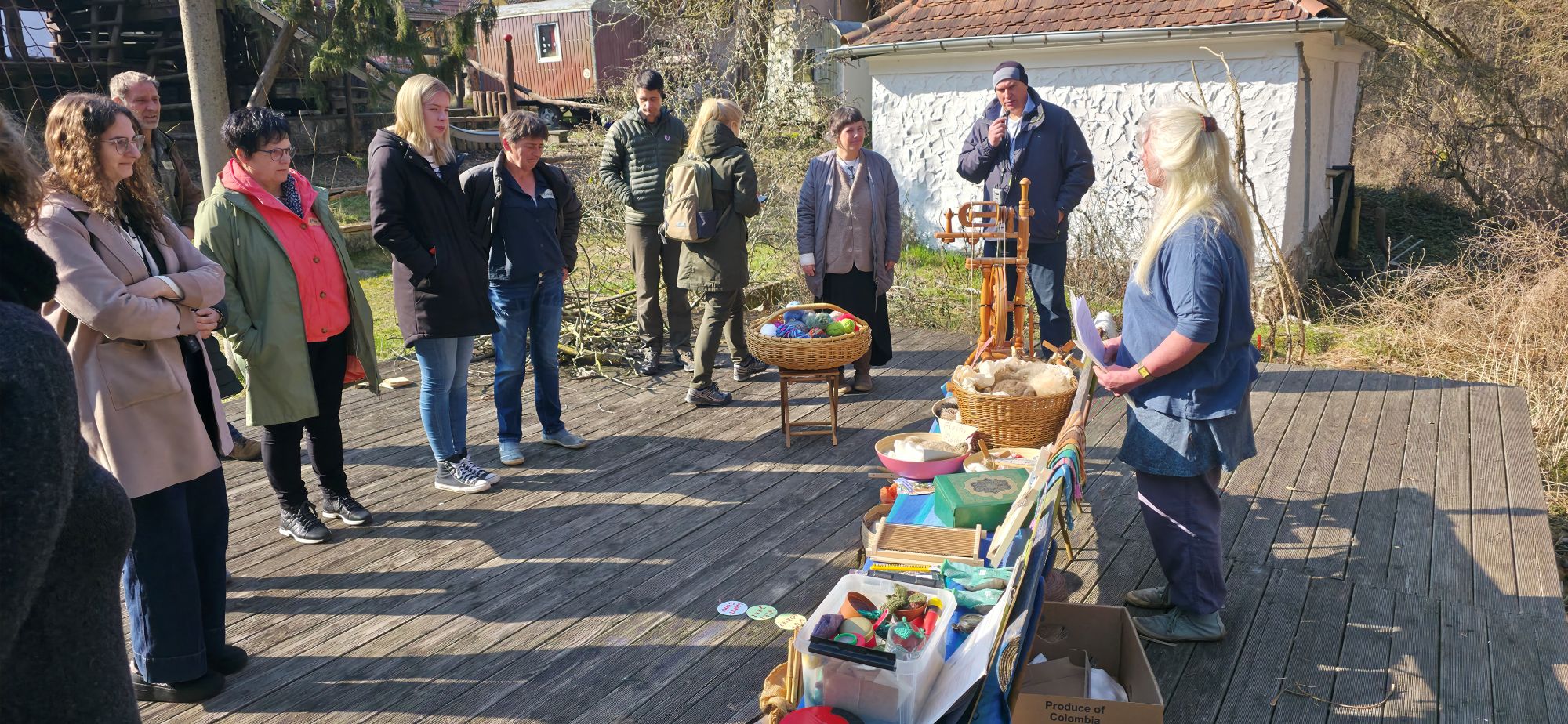
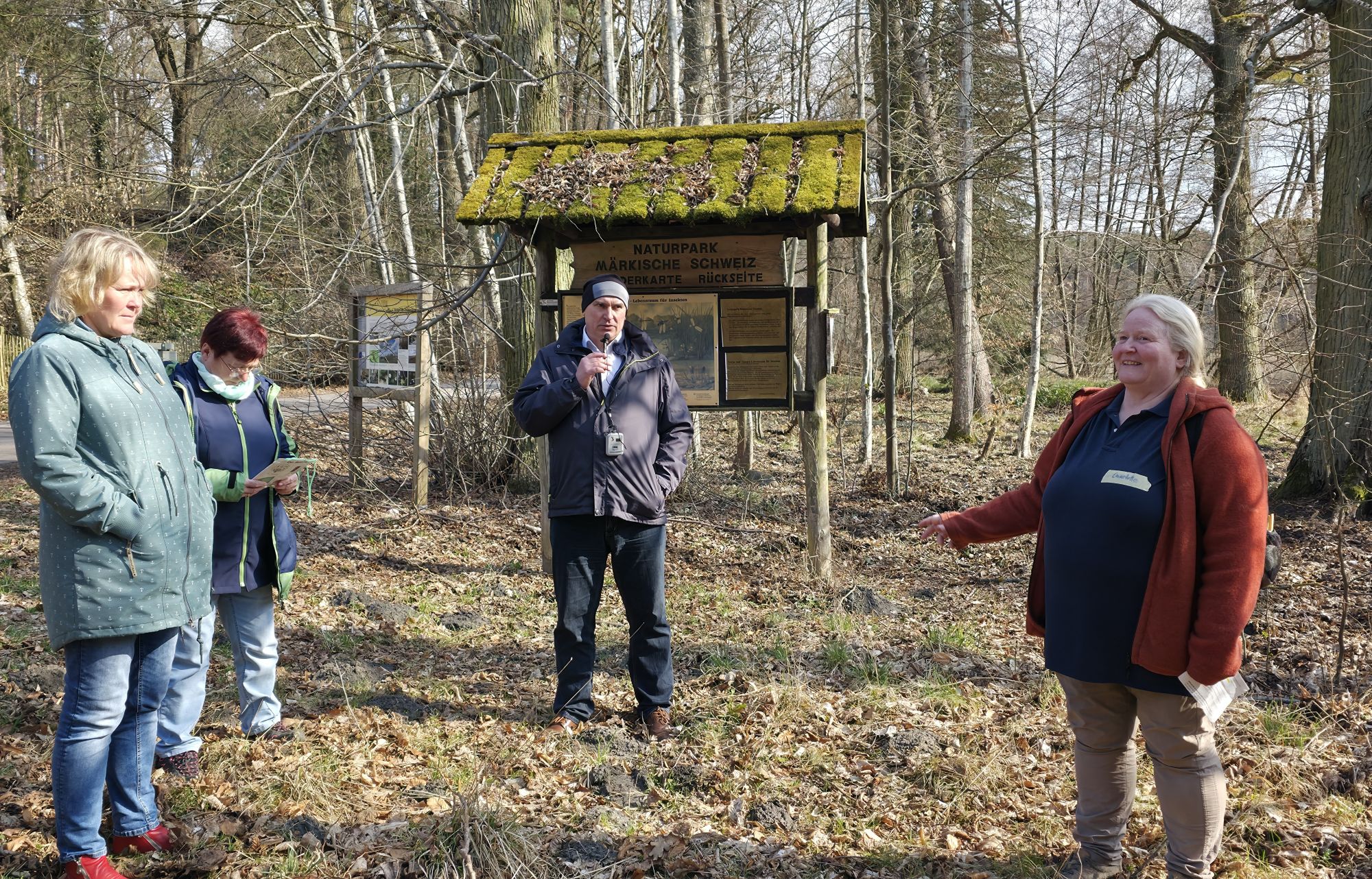
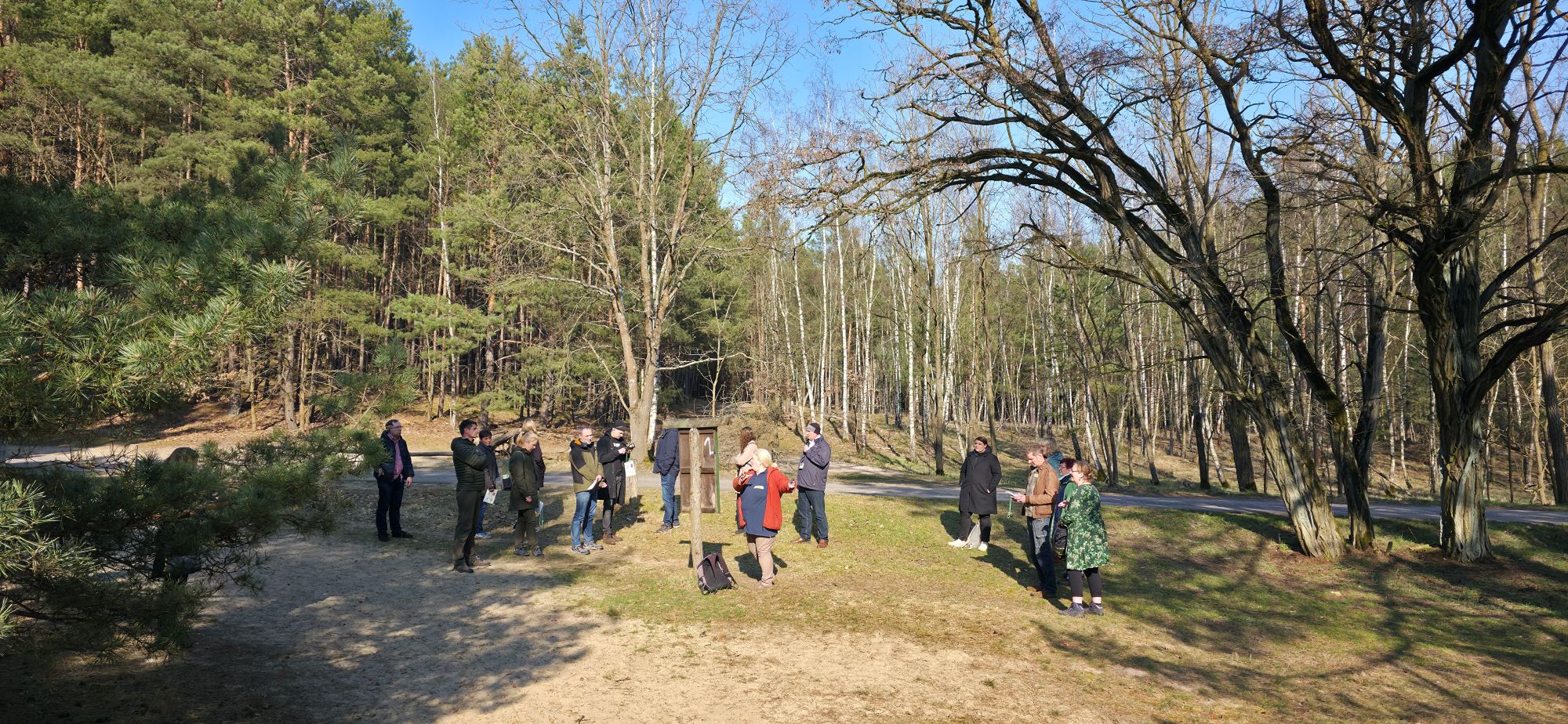
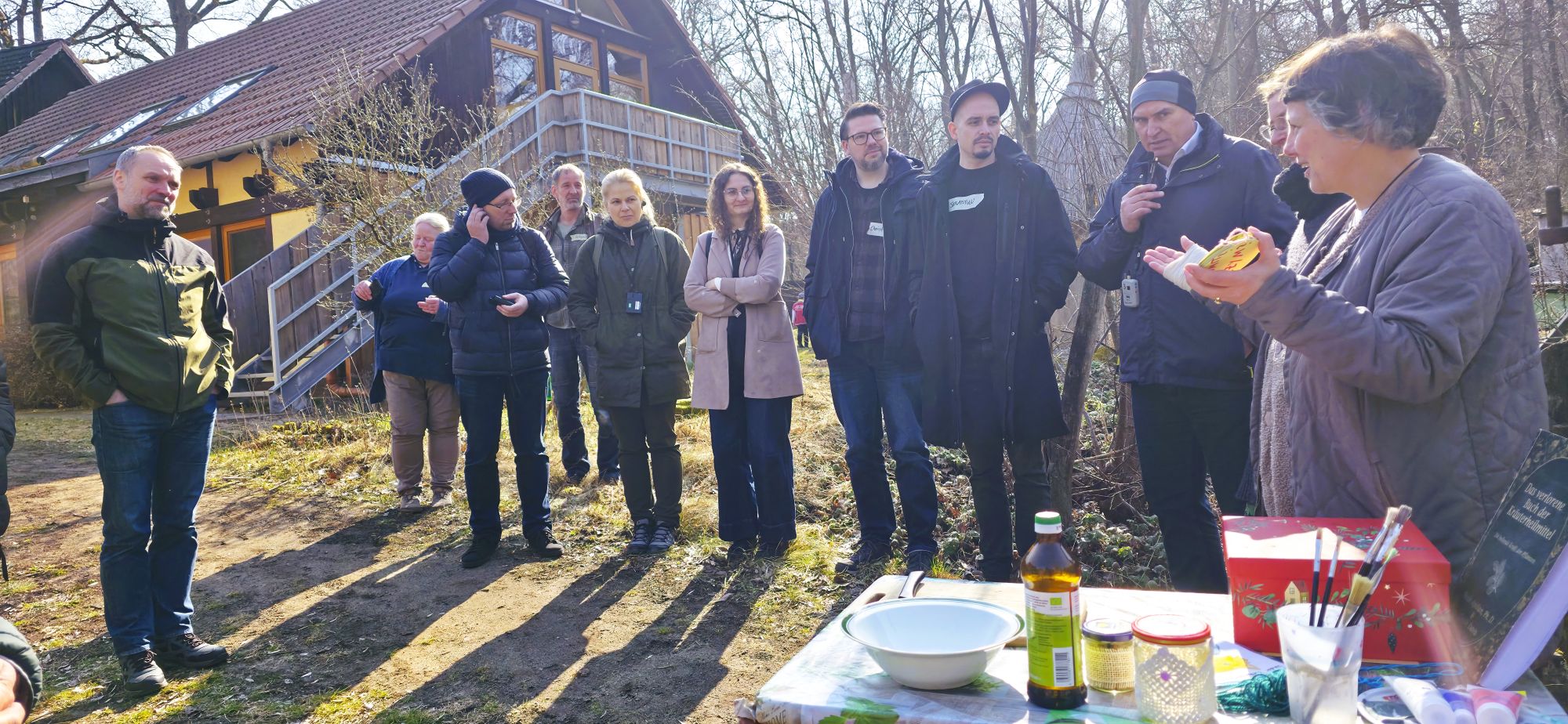
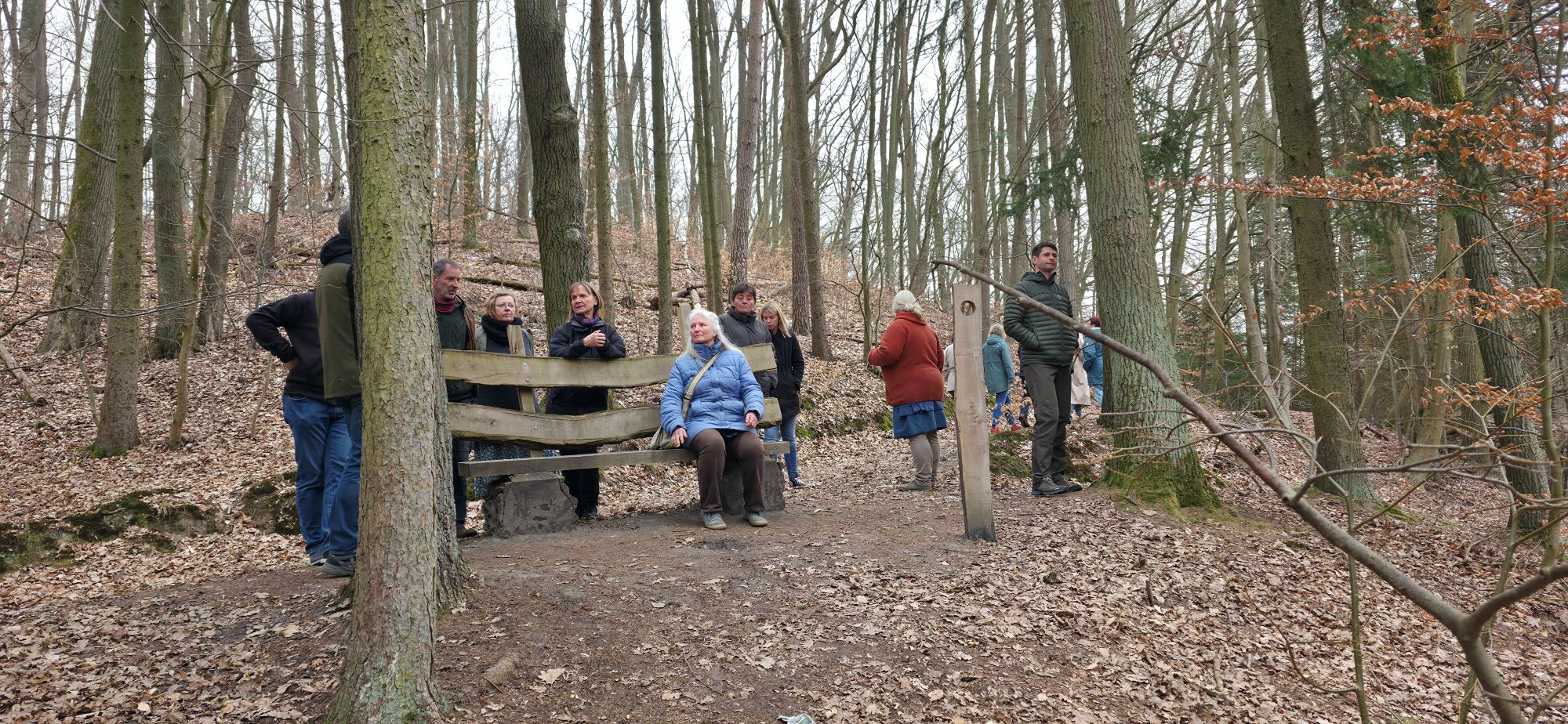
- Practice on site: During a tour, Drei Eichen employees presented various nature education approaches – from classic and digital treasure hunts to traditional crafts (weaving, felting), biotopes maintenance in international workcamps, herb walks and Kneipp hydrotherapy, right through to wilderness pedagogy.
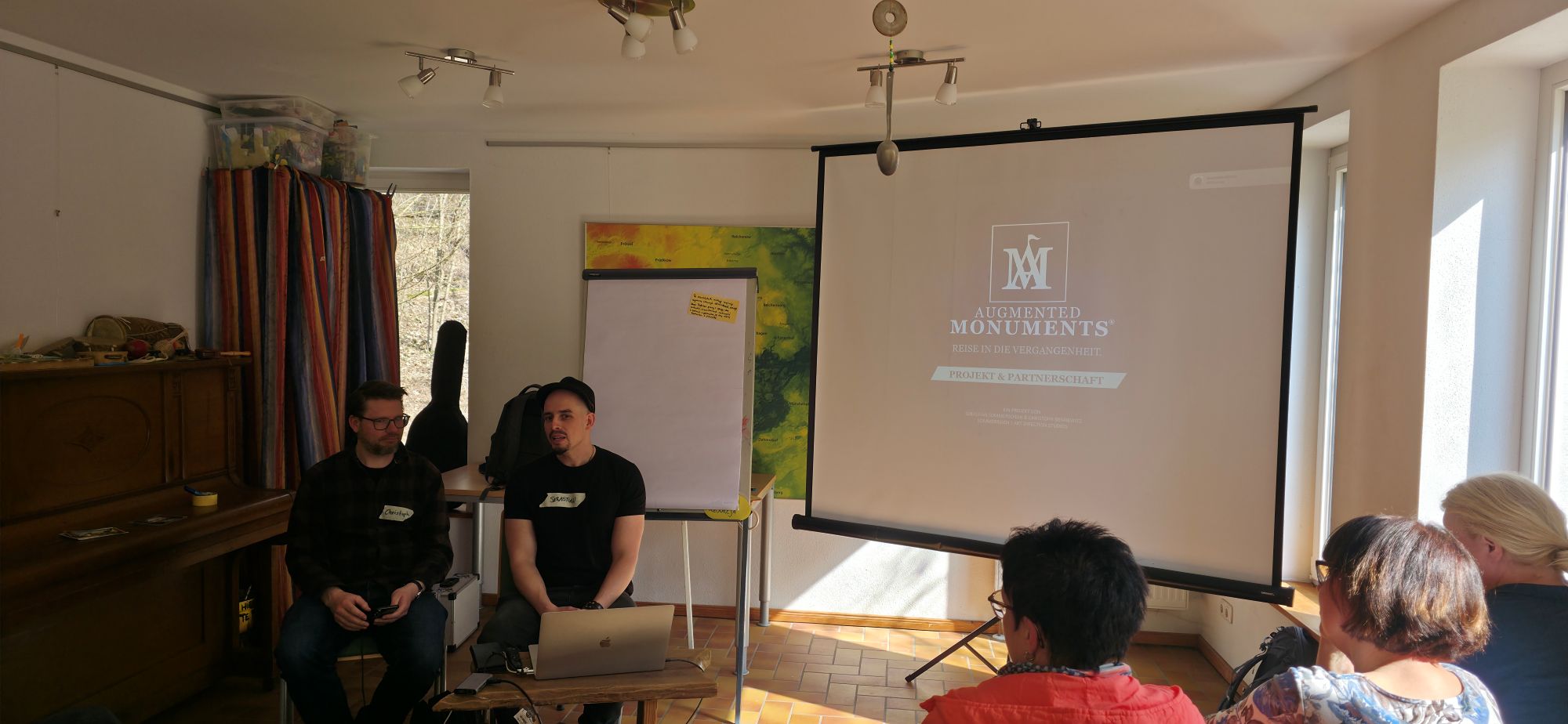
- Digital best practices („Augmented Monuments“): Sebastian Sommerschuh and Christoph Bennewitz demonstrated the app platform Augmented Monuments, which uses historical sites and cultural landscapes Augmented Reality (AR) and makes 3D reconstructions virtually experienceable.
- „Wildreich“ Discovery Trail: Using the project as an example Wildreich (Theme: Human & Forest) it was shown how analogue, digital and hybrid stations intertwine. These include 360° panoramas, listening stations in dead wood, citizen science integrations, AR insights into historical epochs (monastic era, Stone Age) as well as a forest sofa for relaxation and mindfulness.
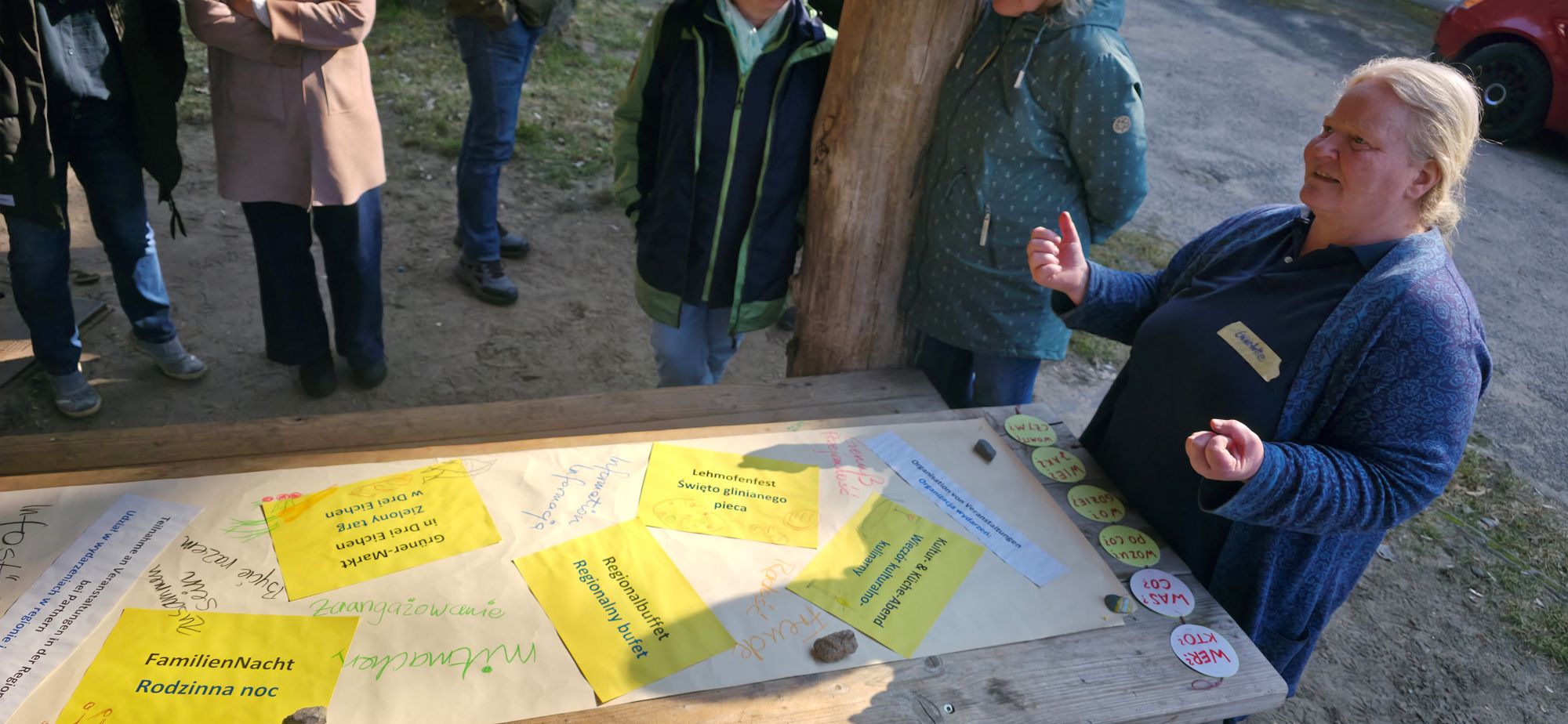
The first day concluded with a collaborative ideas board, on which the partners worked out connecting elements and overlaps between their regional offerings.
Day 2: Inclusion as a core principle and tourism networking
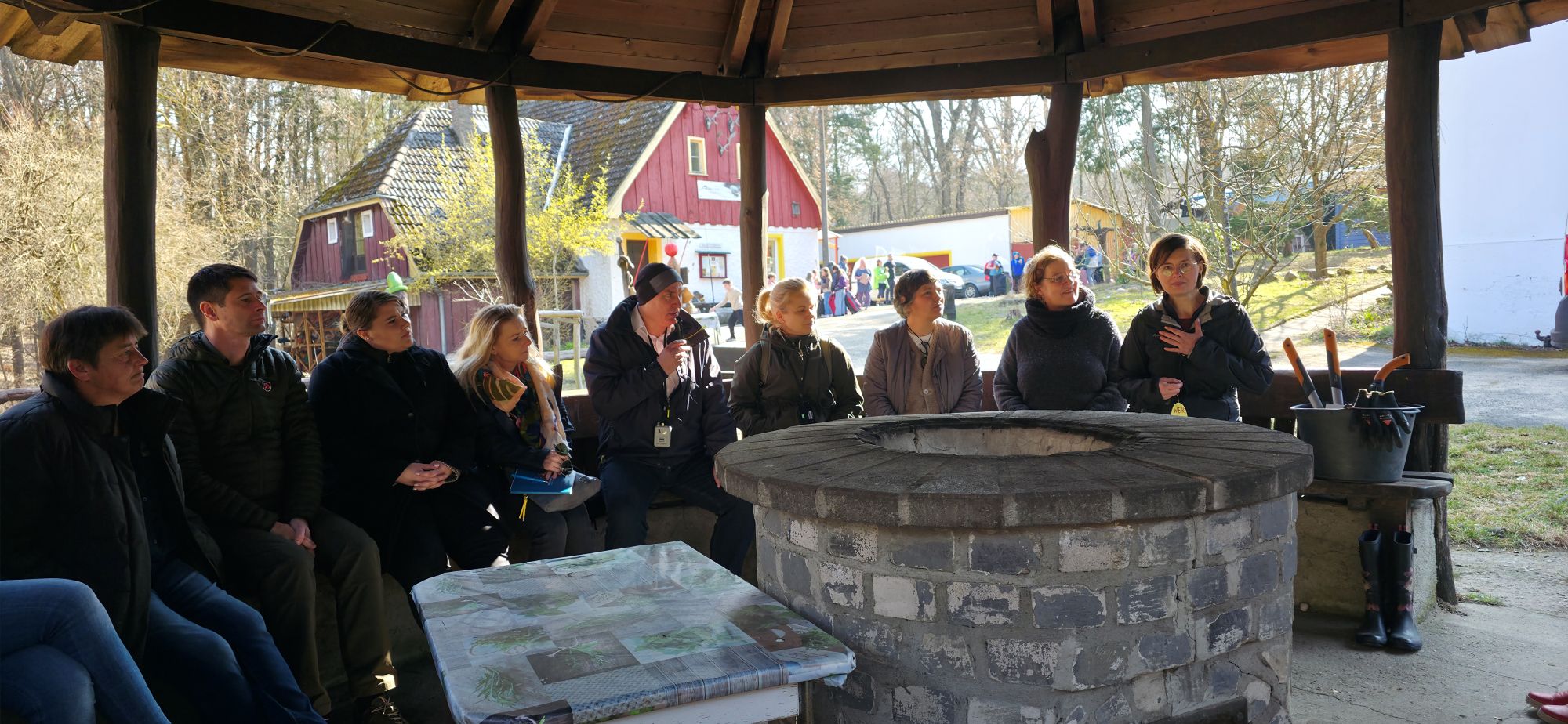
On the second day, the focus shifted to the Schweizer Haus in Buckow, where accessibility and marketing took centre stage:
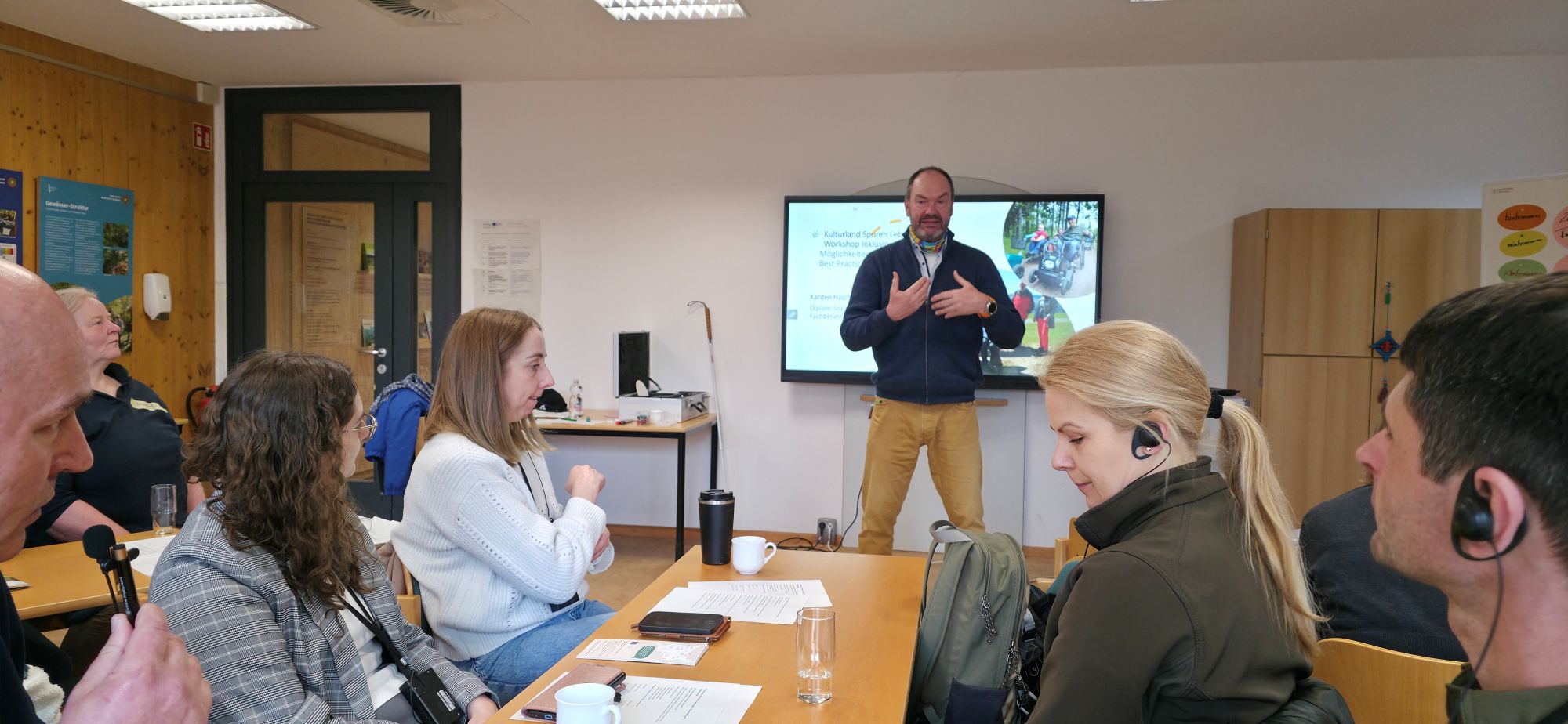
- Accessible nature park development: Karsten Häschel (specialist advisor for inclusion) clarified that accessibility is not an additional service, but rather a fundamental quality principle is that must be taken into account right from the initial planning stage. In a practice-oriented workbook, target groups (mobility, visual, hearing and cognitive impairments as well as autism) were analysed in a differentiated manner and concrete criteria such as Easy Read, pictograms and staff training defined.
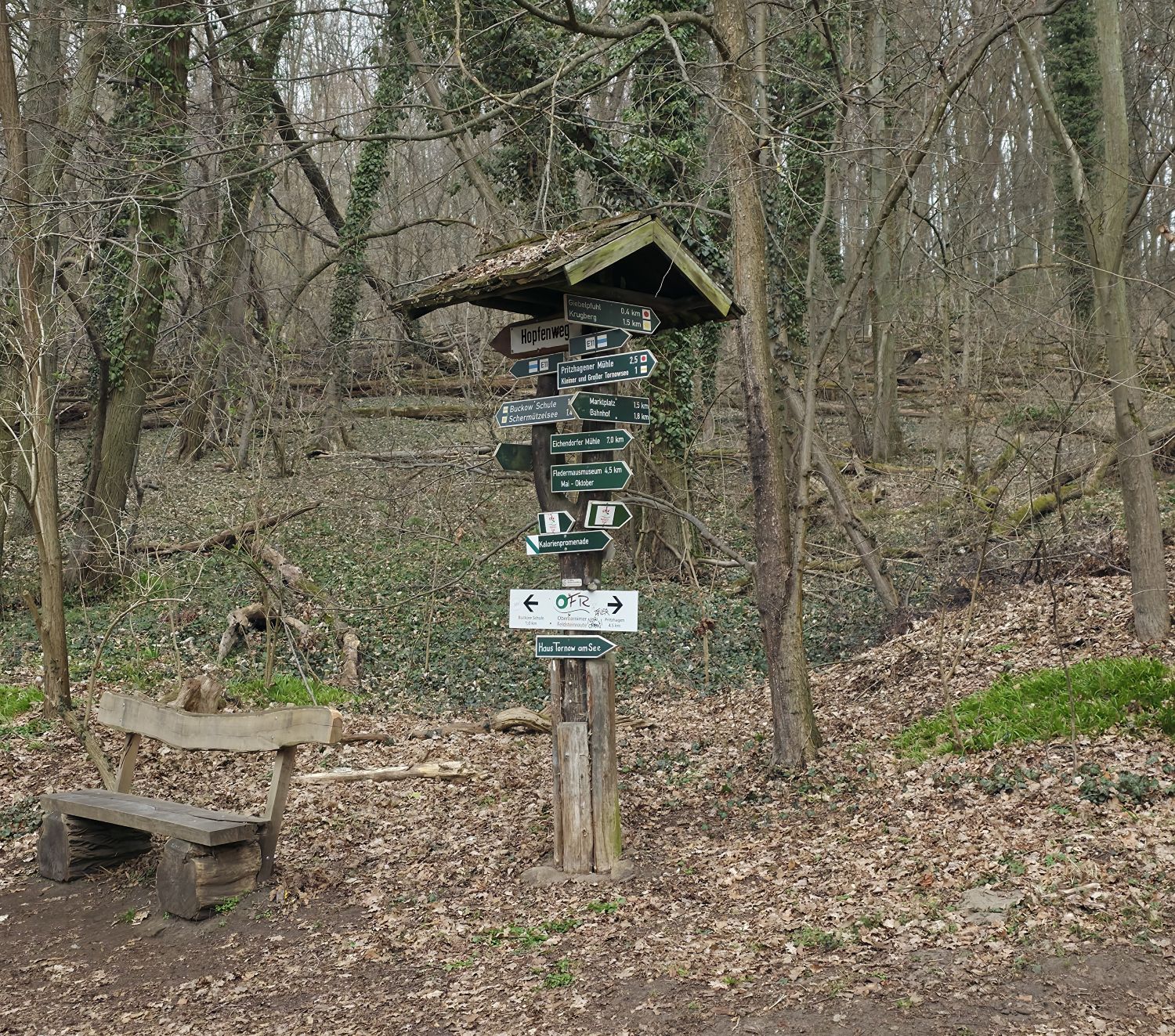
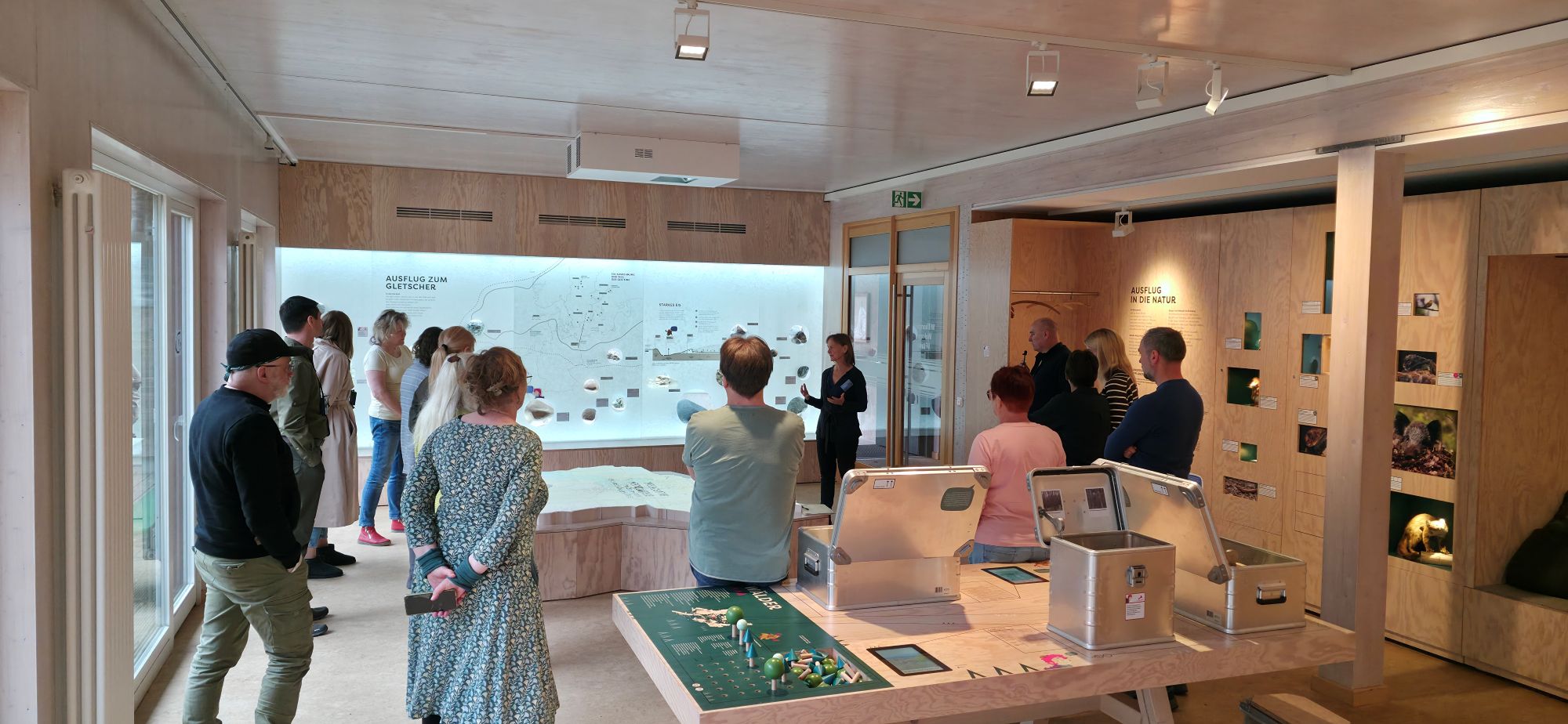
- Practical check of the „Stobbiroute“ & exhibition: The participants toured the newly designed exhibition in the Schweizer Haus nature park info centre, which is designed to be accessible with Easy Read on the first text level, hands-on stations and wheelchair-accessible elements. Afterwards, the low-barrier circular trail Stobbiroute committed.
- Digital Marketing & Networks: Angeline Piesche and Antonia Lustig from the Seenland Oder-Spree tourism association presented digital tools for marketing (including the DAMAS database, AI chatbots, Komoot integrations and the MiniBrandenburg system) in order to target audiences via the brand strategy „Immerse“ to appeal emotionally.
Conclusion and outlook: A strengthened partnership
The evaluation of the workshop was consistently positive: all participants expressed great satisfaction with the organisation, the content and the practical relevance.
As the most important result, the foundation for a joint overall concept laid. The developed guiding theme will be further deepened in subsequent workshops and reciprocal site visits in order to sustainably strengthen cross-border cooperation. The Drei Eichen Environmental Centre will also continue to support all partners in an advisory educational capacity.


Leave a Reply