
A subcamp of the Theresienstadt ghetto
The Wulkow memorial site has been a digital memorial since 2024. It commemorates the subcamp of the Theresienstadt ghetto of the same name, which existed from 1944 to 1945. Almost 400 Jewish prisoners performed forced labour there for the construction of a secret alternative site for the Reich Main Security Office (RSHA).
The Wulkow satellite camp was established in March 1944 in a wooded area near Neuhardenberg in Brandenburg. The strategic purpose was to build an alternative service centre for Office IV RSHA (Gestapo) and the NSDAP party chancellery.
Under camouflage names such as „Dachs“ or „Barackenbau Zossen“ and under the initial direction of Adolf Eichmann, administrative offices and secret archives were to be protected from Allied air raids. The prisoners had to build barracks, intelligence facilities and a file bunker under extreme time pressure and with the utmost secrecy.
The victims and their living conditions
A total of almost 400 Jewish prisoners were deported from the Theresienstadt ghetto to Wulkow, including highly qualified craftsmen and engineers. The prisoners, including around 34 women, came from the Czech Republic, Germany and Austria. The work was seen as a deceptive „life insurance policy“ for the prisoners, as they were supposed to be protected from deportation to extermination camps in exchange for their labour. However, everyday life under the sadistic commandant Franz Stuschka was characterised by brutal violence, hunger and inhumane punishments.
In February 1945, the camp was evacuated due to the approaching Red Army; the prisoners were taken back to Theresienstadt in cattle wagons under agonising conditions.
Meaning today
Today, Wulkow functions as a digital place of remembrance, which was opened in April 2024. As there are hardly any structural remains on site, the memorial uses modern digital formats to bring together the scattered biographies of the victims and make their voices heard after decades of silence. Through seminars, memorial walks and the online exhibition, the Wulkow working group, in cooperation with the Campus Schloss Trebnitz educational centre, makes an important contribution to coming to terms with regional Nazi crimes and to political education.
This place of remembrance acts like a digital echo that carries the fragments of history that were once hidden in the forest into the global public sphere in order to permanently preserve the identity of the victims.
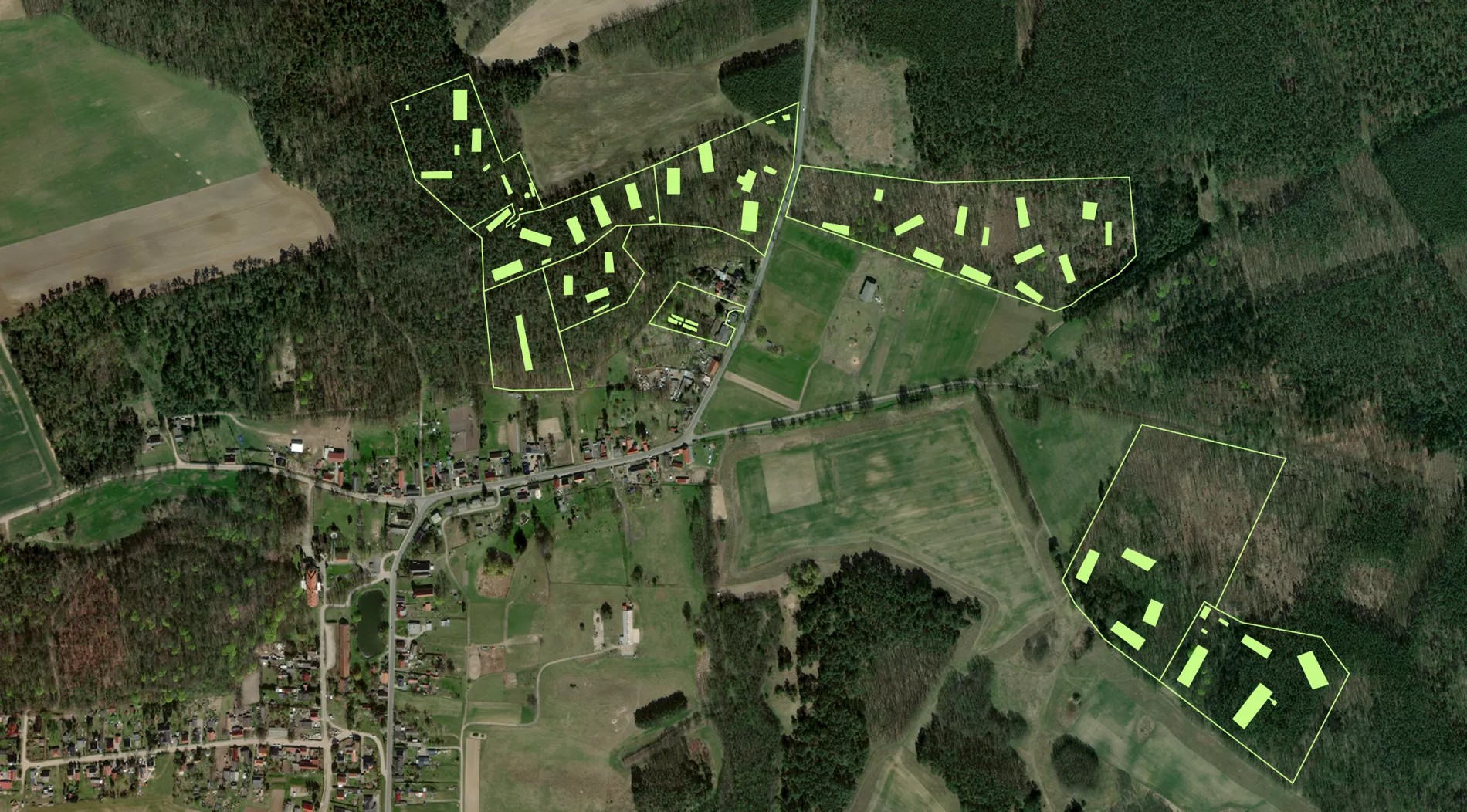
 Wulkow memorial site; ©Wulkow working group
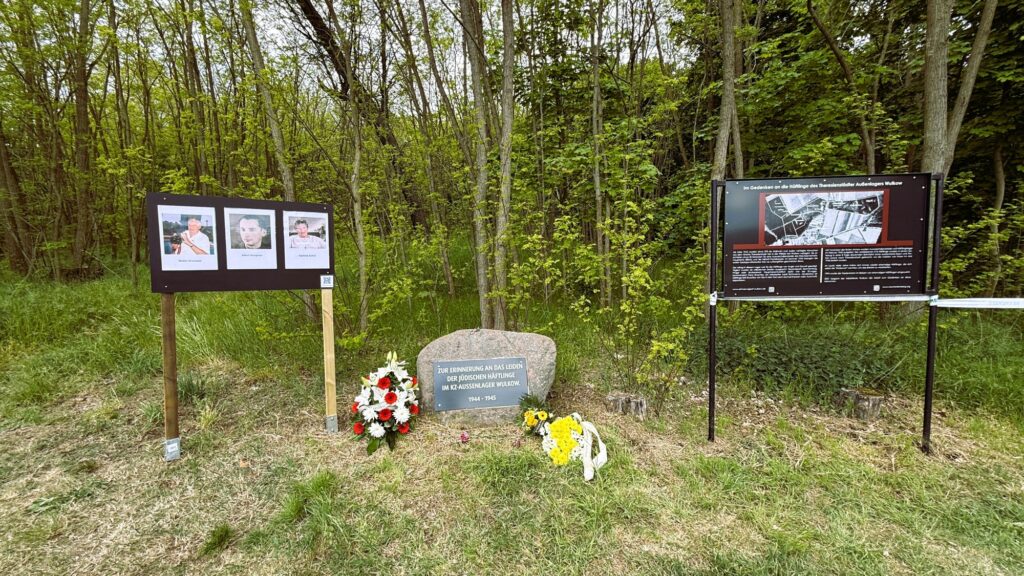
 Wulkow memorial site; ©Wulkow working group
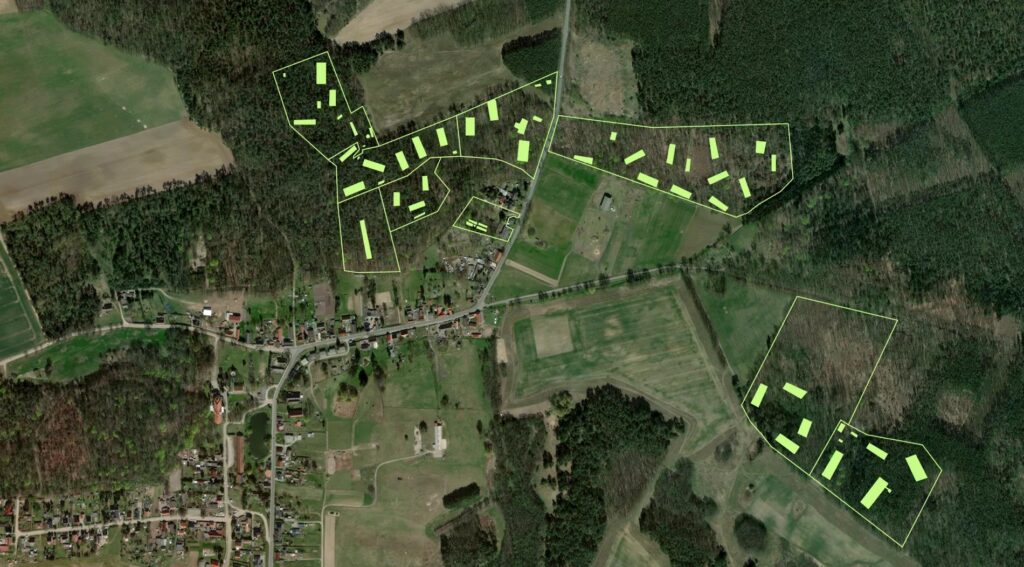
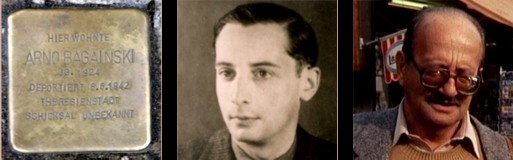 Wulkow memorial site; ©Wulkow working group
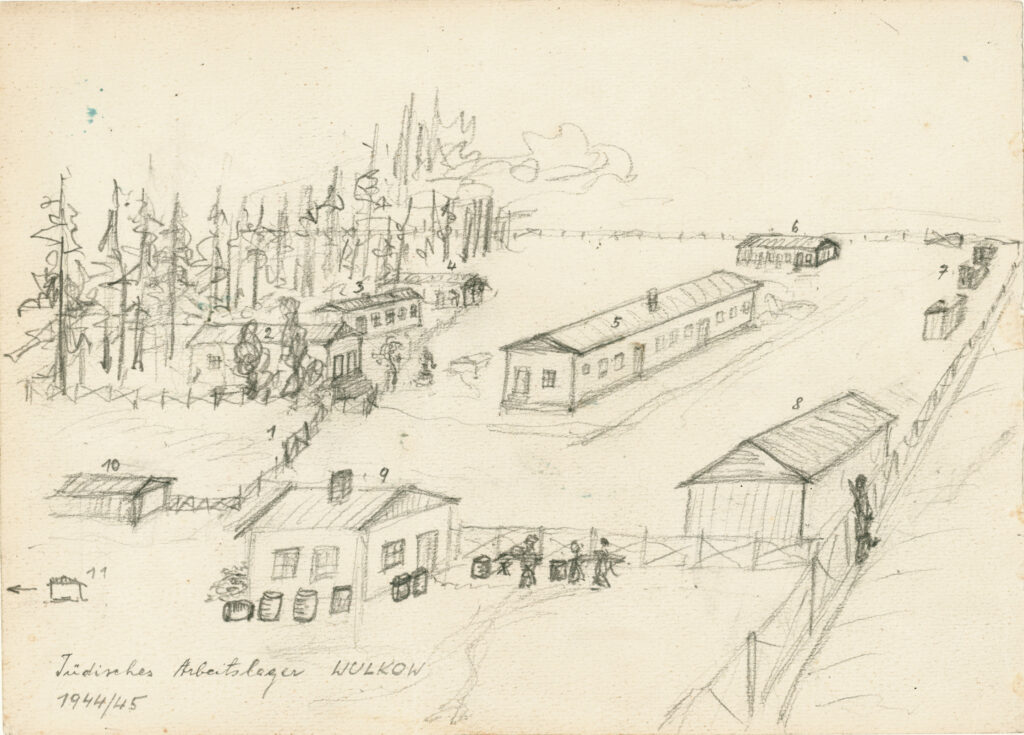 Wulkow Place of Remembrance; ©Beit Terezin
The story of the memorial site as an audio contribution.
(Language: German)
(Language: English)
(Language: Polish)


Leave a Reply