Author: Dirk R

  • Active Remembrance Youth Programme Workshop

    Active Remembrance Youth Programme Workshop

    The Active Remembrance Youth Programme (ARYP) comprises nine different youth exchange events throughout Europe. The project is organised by Liberation Route Germany and runs from 2024 to 2026. It is funded by the EU and includes partners from the Netherlands, Belgium, Luxembourg, Germany, Poland, France, Italy and the Czech Republic.

    The aim of the project is to actively involve and inspire young Europeans from different backgrounds to explore and commemorate the Second World War from different perspectives. Through a series of youth encounters, participants will visit significant World War II sites across Europe and engage with history first-hand. This immersive experience encourages active learning, including conducting interviews, curating historical content and creating podcasts and videos, all of which will feed into an online exhibition.

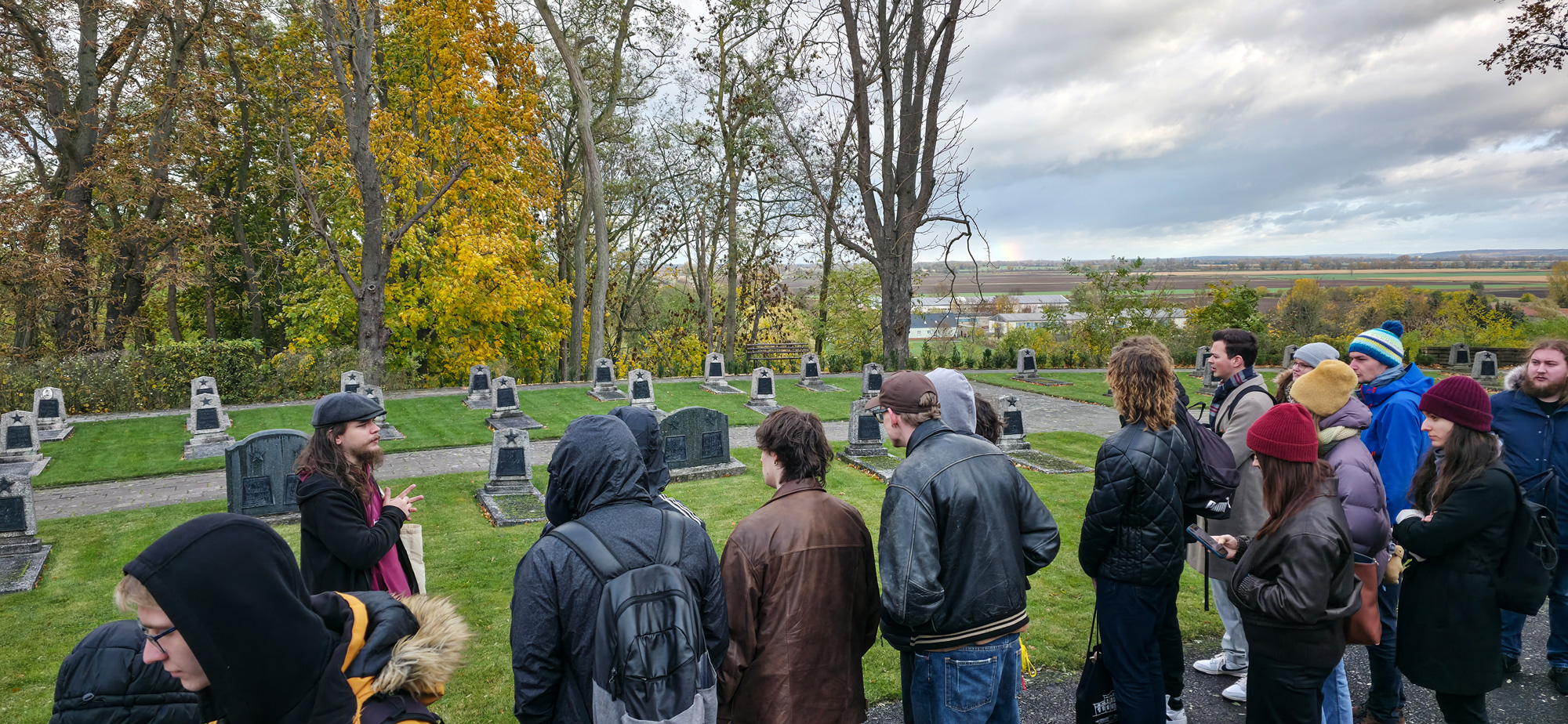
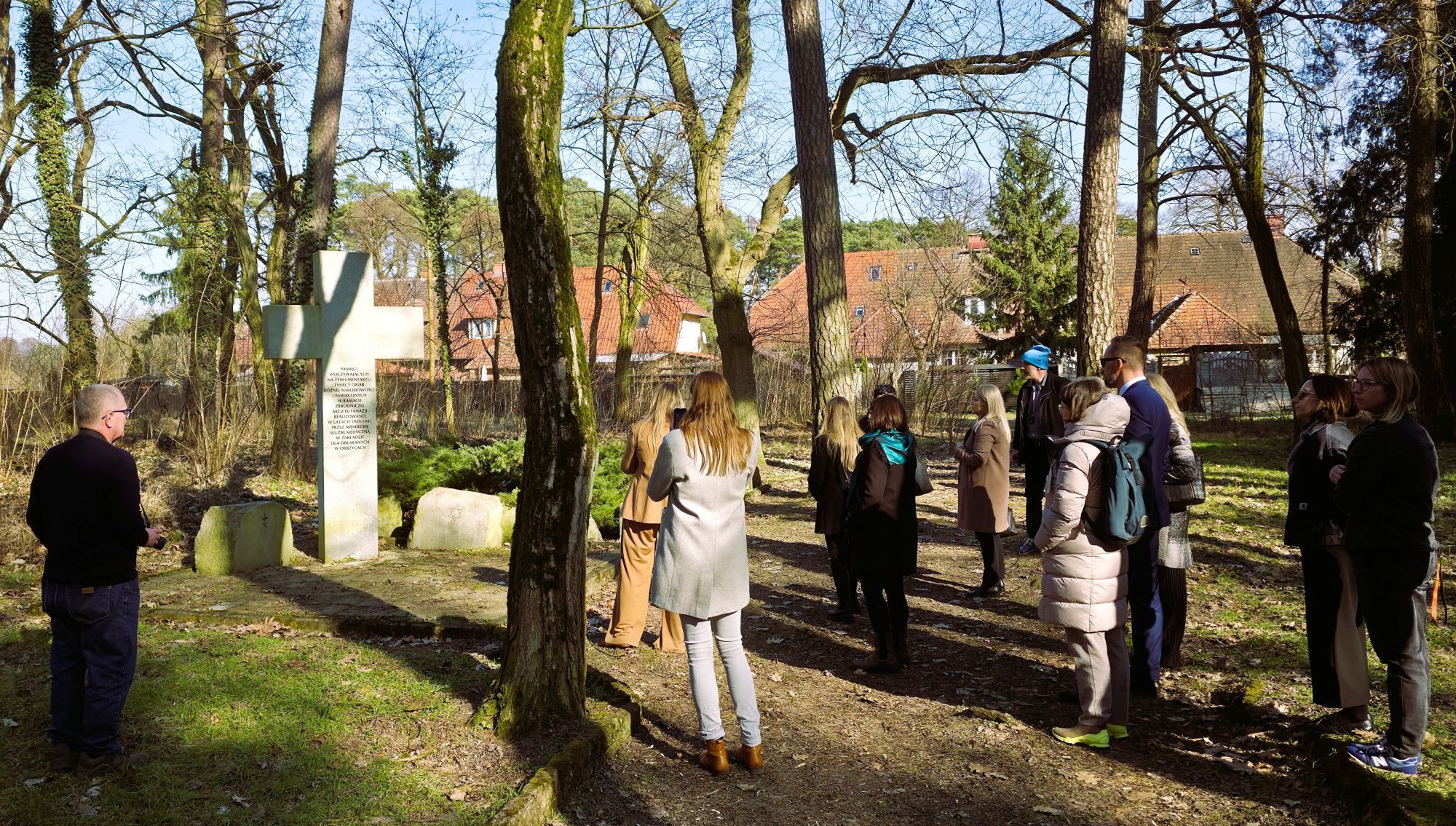
    In October 2025, a youth exchange week took place in the Oder-Warthe region. 18 young people from all over Europe learnt about the special history of our region at locations such as Slonsk, Kostrzyn nad Odra, Seelow, Klessin and Berlin-Karlshorst. Their task was to reflect on this history in podcasts and videos, to scrutinise it in interviews and to interpret it from their own perspective.
    The youth exchange week in the German-Polish border region was organised by the Liberation Route Europe in cooperation with the Liberation Route Poland, the Liberation Route Germany and the city of Seelow, funded by the European Union. The preliminary programme and further information can be found at https://www.lre-youth.eu.

  • Expulsion, forced migration, loss of culture 1945

    Expulsion, forced migration, loss of culture 1945

    Effects of Poland's westward shift on the Oder-Warthe region

    Sub-project of the Interreg 6A project "Remembrance Connects", funded by the European Union (INTERREG VI A Brandenburg-
    Poland 2021-2027)

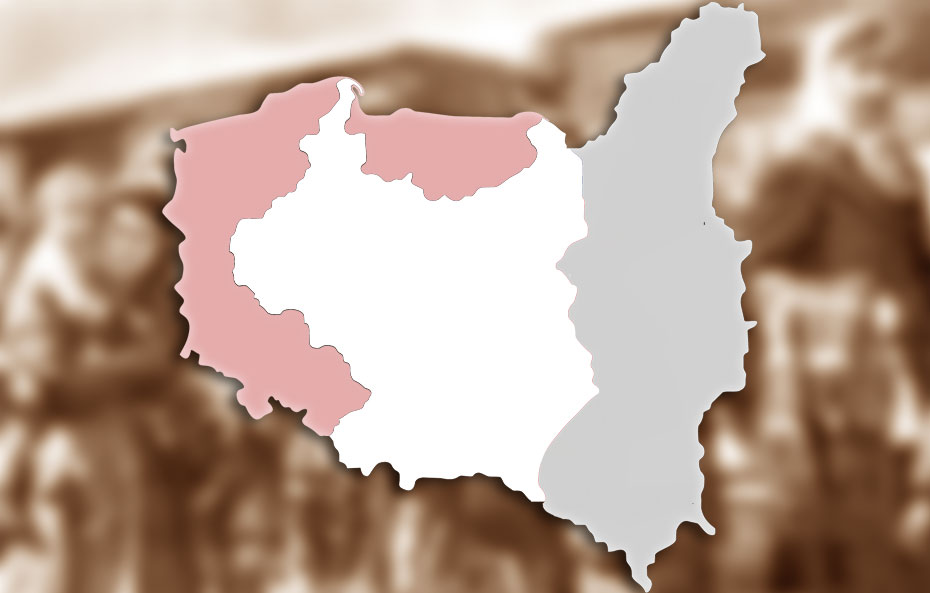
    The so-called westward shift of Poland is a result of the Second World War, based on the Yalta and Potsdam resolutions. It led to the relocation of Poland's borders to the west. Poland lost large parts of its eastern territory in favour of the Soviet Union and in return received former German territories in the west. This reorganisation changed the map of Central Europe and formed the basis for the profound upheavals in the Oder-Warthe region.

    This also involved the resettlement of millions, which led to a complete exchange of the population structure in the Oder-Warthe region. German residents fled or were expelled, while Poles from the eastern areas and other parts of the country were resettled in the „regained territories“. This forced migration left fractures in the culture of remembrance as well as empty archives in regional museums, churches and offices. The memory of expulsion and forced migration still characterises the collective memory of the border region today.

    In addition, the region's infrastructure was almost completely destroyed by the fierce fighting at the end of the war. New ownership structures and the need to reorganise production facilities and agricultural structures brought further far-reaching changes.

    The Remembrance Connects project deals with the complex German-Polish history in the border region. As part of the project activities, mutual knowledge and dialogue about expulsion, forced migration and the loss of culture in 1945 in the Oder-Warthe region are to be documented and promoted. Educational tourism programmes are intended to make the special history of the Oder-Warthe region and its population comprehensible.


  • 900 years of the diocese of Lebus (2025)

    900 years of the diocese of Lebus (2025)

    Sub-project of the Interreg 6A project "Remembrance Connects", funded by the European Union (INTERREG VI A Brandenburg-
    Poland 2021-2027)

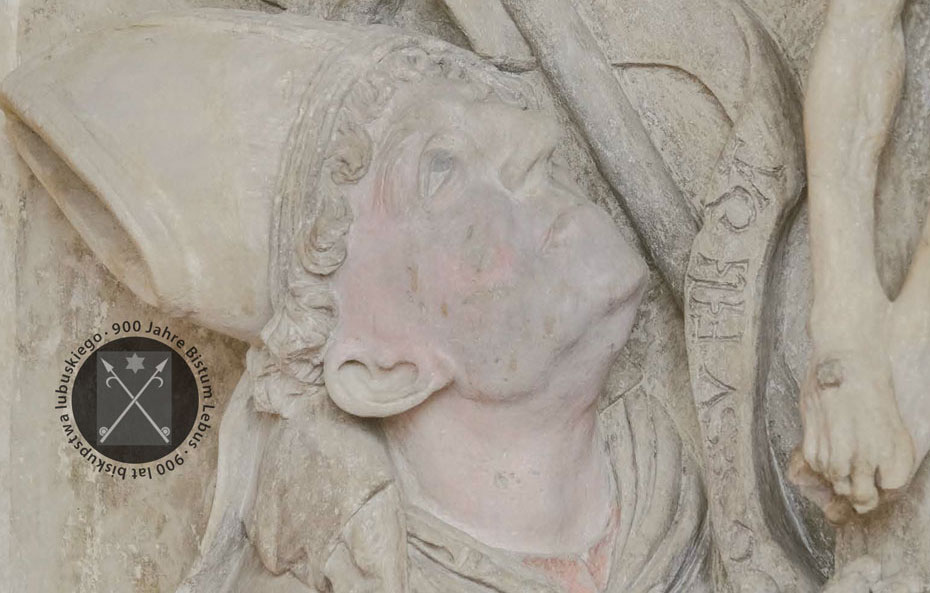
    An extensive cross-border research and exhibition project has been realised at the Viadrina Municipal Museum in Frankfurt (Oder) since January 2025 in connection with the 900th anniversary of the founding of the medieval bishopric of Lebus. It is part of the Interreg project "Remembrance connects - Pamięć łączy" (BBPL0100043), which is being realised together with the city of Seelow and the municipality of Słońsk and which reappraises important chapters of German-Polish regional history across borders.

    The sub-project based at the Frankfurt City and Regional Museum is dedicated to art and architecture in the area of the historic diocese of Lubusz. German and Polish academics are currently working on recording and analysing the architectural and artistic monuments of the diocese, which once united the areas to the east and west of the middle Oder.

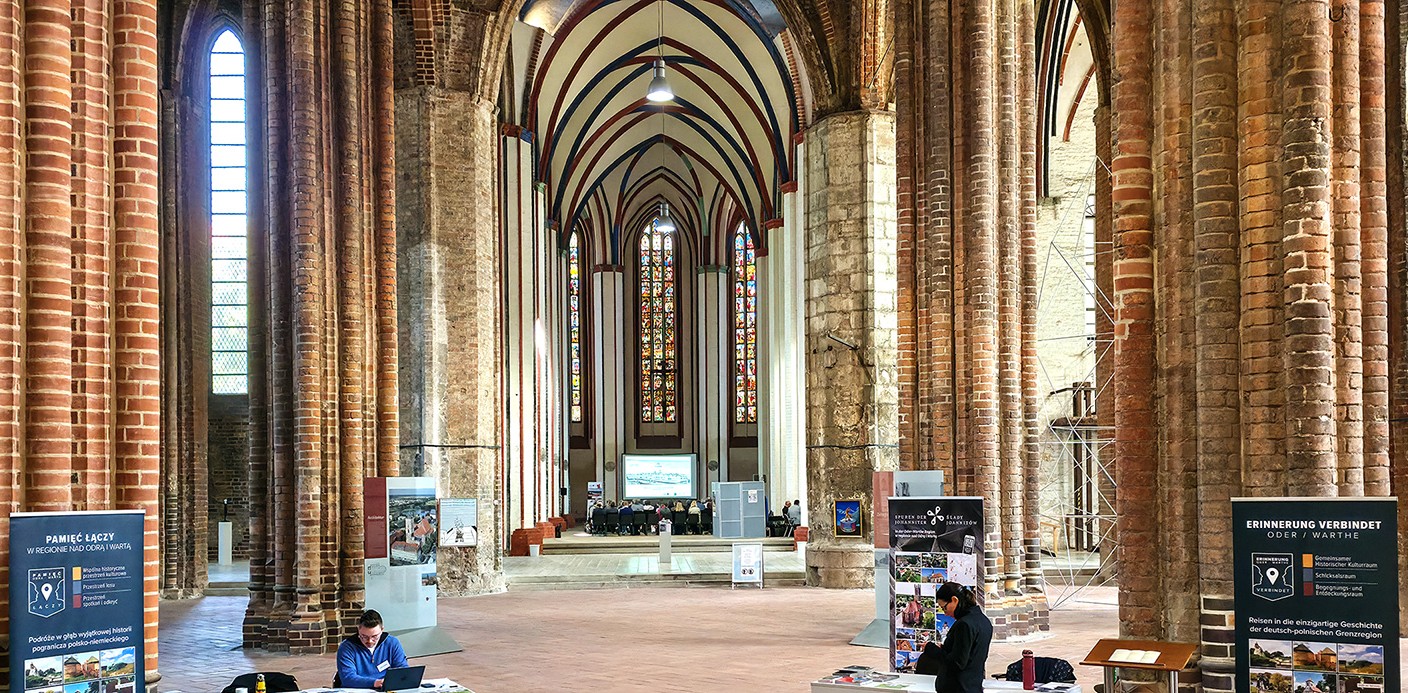
    The research results were presented on 12 and 13 June 2025 in a German-Polish symposium in Frankfurt's St Mary's Church presented.

    They are due to be published in a bilingual anthology in autumn 2026.

    At the same time, a German-Polish travelling exhibition is being developed at the Viadrina Museum. Its aim is to familiarise the inhabitants of the former diocese area with its eventful history and its multifaceted artistic monuments. From January 2026, the richly illustrated panel exhibition will be travelling through the historic diocese of Lubusz on both sides of the Oder and will be presented for one month at a time in 12 different German and Polish cities, including Frankfurt (Oder), Ośno Lubuskie, Kostrzyn nad Odrą, Gorzów Wielkopolski, Fürstenwalde, Zielona Góra, Lubusz, Międzyrzecz, Müncheberg, Neuzelle, Sulęcin and Witnica.

    If you are interested in exploring the history of the Diocese of Lebus at a historical site and learning more about its eventful history, we recommend this year's Culture.Landscape.Excursion organised by the Viadrina Museum. This will take place on Friday, 9 May 2025, in the former episcopal town of Lebus.

    Current information on the project "900 Years of the Diocese of Lebus" can be found on the website of the Viadrina Museum at: www.museum-viadrina.de/Kurzmenü/Projekte/

  • Villa Wagener, Kostrzyn nad Odra

    Villa Wagener, Kostrzyn nad Odra

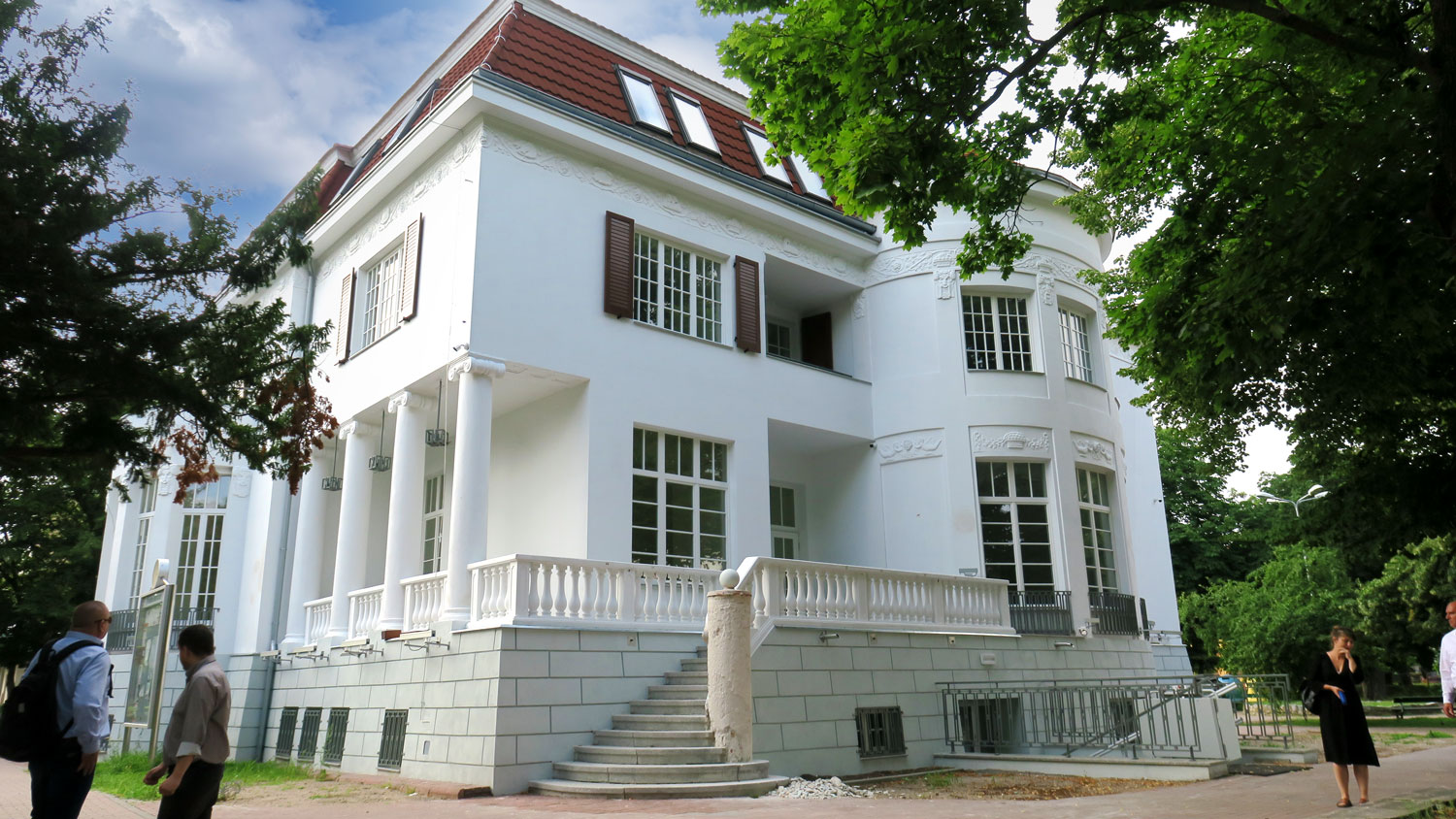
    Villa Wagener is a former factory owner's villa, built in 19th century Küstrin by the Wagener family (machine, steam boiler and copper factory in Cüstrin-Neustadt). It was one of very few buildings to survive the heavy bombardment by the Red Army in the spring of 1945 and was subsequently used as the administrative centre of the Soviet occupying forces and later the town of Kostrzyn nad Odrą.

    Vacant since 2006, it has now been converted into a modern German-Polish communication and creative centre.

  • Seelow (Mark) railway station building

    Seelow (Mark) railway station building

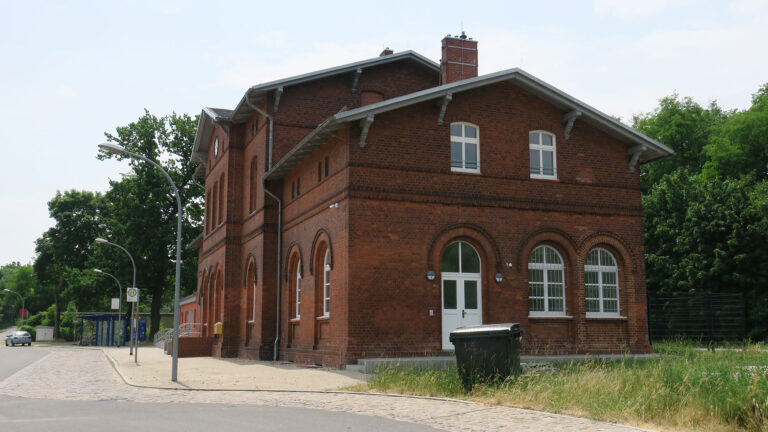
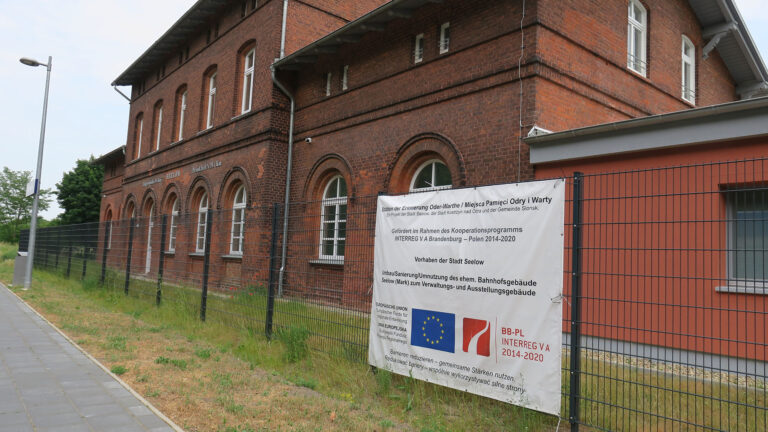
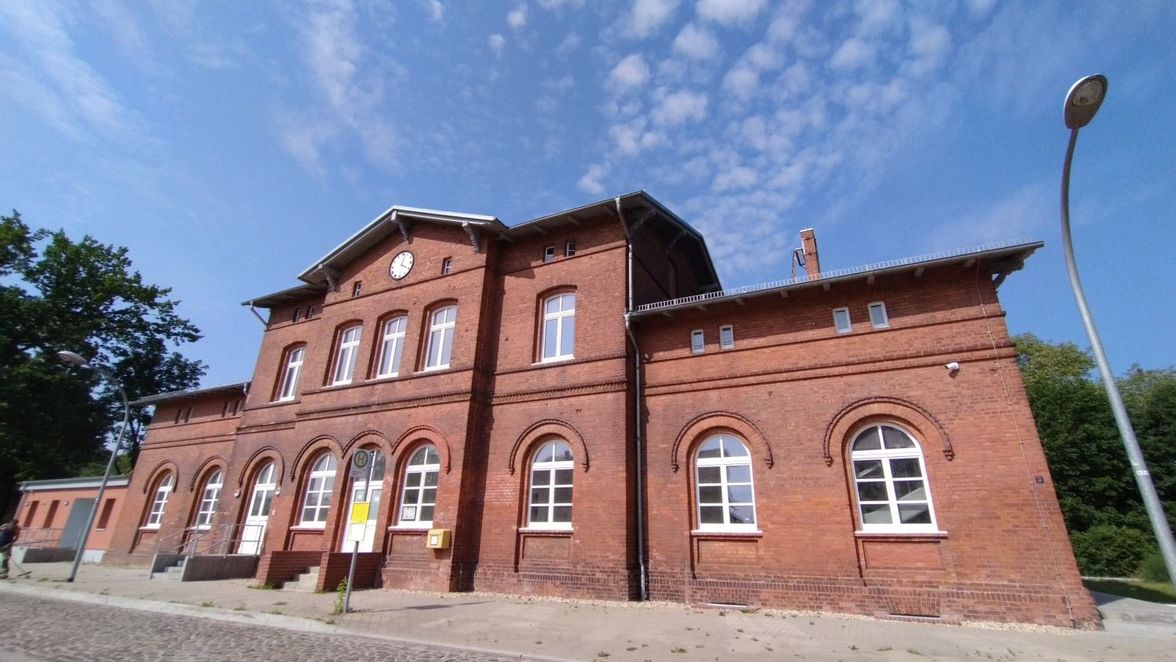
    The former Seelow (Mark) railway station building is a representative functional building from the 19th century in typical railway architecture. The reception building from the German Empire has permanently lost its function, although the station on the Frankfurt (Oder) – Eberswalde line is still in operation. The metropolis of Berlin and regional memorial sites can be reached by rail. The site also serves as a stop for regional bus services, and cycling and hiking trails (E 11) pass directly by the station.

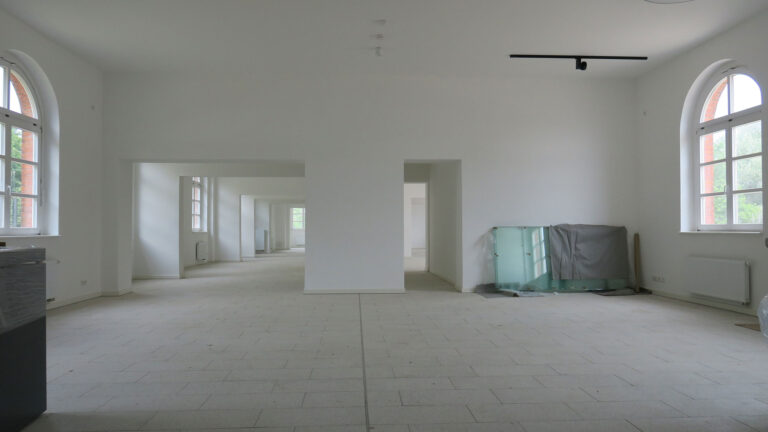
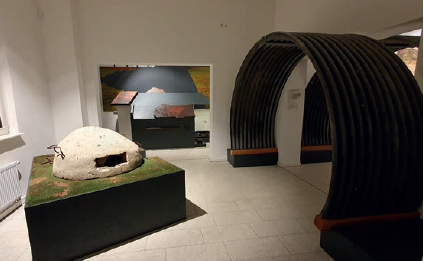
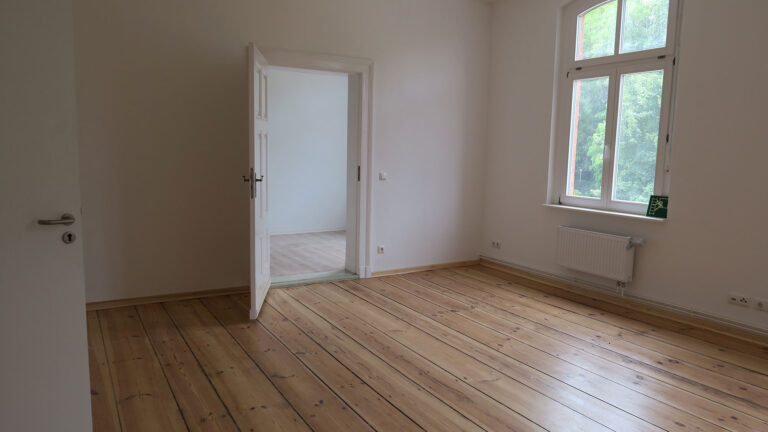
    As part of the funding project, the building was extensively renovated and converted into a history workshop with a documentation centre. On 200 barrier-free square metres on the ground floor, a modern museum-like place of learning and experience for recent regional history has been created, corresponding with the "Seelower Höhen" memorial site 300 metres away. A project flat and office and archive rooms are located on the upper floor.

    The organisation responsible for the content of the new memorial site is the Geschichts- und Heimatverein Gusow-Platkow e.V. (Gusow-Platkow History and Local History Association). The exhibition concept deals with the decisive epoch of the pre-war, war and post-war years between 1930 and 1960:

    The city of Seelow pursued the following primary objectives with the project approach:

    • Establishment of a history workshop focusing on the unique history of today's border region since 1930.
    • Thematic and spatial addition to the museum exhibition at the Seelow Heights Memorial and expansion of its sphere of influence
    • Establishment of a permanent exhibition and special themed exhibitions
    • Establishment of a documentation centre for further research and presentation of this period of history
    • Establishment of an office for network management for the cross-border tourism cluster ‘Remembrance connects’
    • Networking with other places of remembrance as a tourist brand and overall package for the Oder-Warta region, in particular with the communication centre in Kostrzyn nad Odra and the centre for historical education in Słońsk.
    • Sustainable change of use for a historically significant building

    In 2023, the Seelow History Station Museum (Mark) was officially opened: www.geschichtsstation-seelow.de

    Not far from the station is the Seelow Heights Memorial. The (victory) memorial to the Soviet soldier, including the war graves of his brothers in arms at his feet, provides a limited perspective for the memorial, which also contains a small museum and an exhibition of military equipment. This internationally significant site is to be expanded to include a regional perspective with the ‘History Station’ in the immediate vicinity, serving as an important addition to the ‘global view’ offered by the Seelow Heights Memorial.

  • Słońsk House of Culture

    Słońsk House of Culture

    The building - a former town house - is located in the centre of the village and was built in the 4th quarter of the 19th century in an eclectic style. No archives have been preserved about the builders of the building. Due to the impressive character of the building, it is assumed that the owners were among the wealthiest inhabitants of the town. In the 1920s and 1930s, the building housed the savings bank. In the post-war period, the building was home to the municipal cultural centre. Since around 1980, the building has stood empty and deteriorated rapidly.

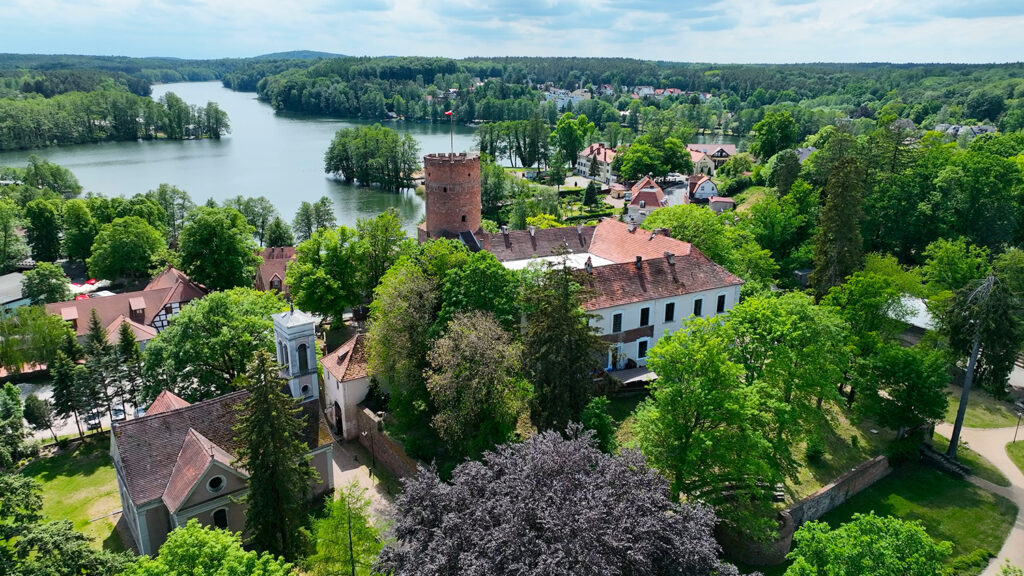
    Between 2018 and 2020, as part of the "Sites of Remembrance Oder-Warthe" project, the cultural centre was extensively renovated and equipped with barrier-free access. The new "Cultural, educational and meeting centre for regional history - House of Culture in Słońsk" now conveys the diverse history of the city and the region and complements the Martyriums Museum and the St John's Castle in Słońsk. The ground floor houses a large conference room with booths for interpreters, among other things. The upper floor houses exhibition rooms, rooms for workshops and research work, a library and a computer lab. The top floor houses dormitories for students and project staff.

  • Remembrance connects - discovering German-Polish history in the Oder-Warta region

    Remembrance connects - discovering German-Polish history in the Oder-Warta region

    Interreg VI A funding project 2024-2027

    The German-Polish border region of the Brandenburg-Lubuskie funding area has a unique, multi-layered shared history that continues to have a strong influence on German-Polish understanding and mutual relations between the neighbouring countries to this day. The common challenge lies, among other things, in recognising this history mutually, preserving and presenting it in a comprehensible way for future generations and opening up scope and respect for the respective perspectives and individual interpretations.

    With the Interreg VA project "Sites of Remembrance Oder-Warthe", a conceptual basis was laid for the MULTIPERSPECTIVE LANDSCAPE OF MEMORY Oder-Warthe, supported by the new network "Remembrance connects" Oder-Warthe and marketed via the umbrella brand of the same name, managed by the LP Stadt Seelow.

    The main objective of the proposed project is to strengthen the young cross-border network "Remembrance unites" through cross-border knowledge and competence exchange and support for best practice transfer as well as through the deepening of two remembrance topics with special significance for the common German-Polish history in order to make them a cross-border tourist experience at various cultural sites:

    a) 900 years of the diocese of Lebus (founded 1124/25),
    b) Poland's shift to the West: expulsion-forced migration-loss of culture in 1945.

    The development of the tourism offers is based on in-depth analyses, specialist conferences and concepts that are carried out or created as part of the project with the "Remembrance connects" network.

    Project partner:

    • City of Seelow
    • Municipality of Slonsk
    • Viadrina Municipal Museum, Frankfurt (Oder)
    • History and local history association Gusow-Platkow e.V.

  • Remembering together - 80 years since the end of the Second World War in 2025

    Remembering together - 80 years since the end of the Second World War in 2025

    Small Projects Fund (KPF) 2021-2027

    IIIn the context of a German-Polish co-operation the history trail was created "Events of the war 1945"initiated with the City of Seelow as lead partner and the Municipality of Słońsk as project partner. The aim of the project was to open up the historical heritage of the region surrounding the end of the Second World War in 1945, make it accessible and communicate it across borders.

    In addition to the main partners, other institutions and municipalities were actively involved in the realisation: the municipality of Letschin, the town of Kostrzyn nad Odrą, the Küstrin Fortress Museum in Kostrzyn nad Odrą, the Wuhdener Heimatverein e.V., the Seelow Heights Museum and Memorial, the Gusow-Platkow History and Local History Association e.V. and the Museum Berlin-Karlshorst.

    Supported by the Euroregion PRO EUROPA VIADRINAtotal budget of 39,683.27 EUR available, of which EUR 31,746.62 were covered by subsidies.

    The project pursued several key objectives:

    • Strengthening awareness of the common culture and history in the German-Polish border region,
    • Improving cross-border usability and accessibility existing cultural and tourist offers,
    • Supra-regional networking and international marketing from seven regional memorials to significant war events of 1945.

    In the project, the educational tourism potential of these places of remembrance, networked with each other and promoted nationally and internationally. Partners such as the Liberation Route Europe (LRE) - a cultural route certified by the Council of Europe for the liberation of Europe in 1944-45 - contributed significantly to the realisation with their expertise. Multilingual print and audio information was displayed on weatherproof acrylic signs at the respective locationsto provide visitors with barrier-free access to background knowledge and stories in several languages.

    A special event was the Presentation of the history trail at the annual forum of the Liberation Route Europe in Kraków (Poland)where the project will be international trade visitors and specialised travel providers was presented.

    As part of the implementation process, the locations Słońsk, Kienitz, Kostrzyn nad Odrą, Klessin, the Seelow Heights Memorial, the Seelow History Station and the Berlin-Karlshorst Museum the Liberation Route Europe vector stamps ceremoniously presented and permanently affixed. These vector brands were designed by the renowned architect Daniel Libeskind and symbolise the connection between the places of remembrance along the route as artistically designed landmarks.

    Finally, the Spring 2025, on the occasion of the 80th anniversary of the end of the Second World War, Commemorative events along the history trail were held to commemorate the many victims of the events of that time.

    31.01.2025 Słońsk

    31.01.2025 Kienitz

    10/03/2025 Kraków

    22/03/2025 Klessin

    30/03/2025 Kostrzyn nad Odrą

    16/04/2025 Seelow

    05/05/2025 Berlin-Karlshorst


    The development and establishment of the "History Trail War Events 1945" was funded as part of the project "Remembering Together - 80 Years of the End of the Second World War 2025" within the framework of the Small Projects Fund (KPF) 2021-2027 of the PRO EUROPA VIADRINA Euroregion as part of the INTERREG VI A Brandenburg-Poland 2021-2027 cooperation programme.

  • Places of Remembrance Oder-Warthe

    Places of Remembrance Oder-Warthe

    Interreg VA funding project 2019-2023

    With the "Sites of Remembrance OderWarthe" funding project, the project partners aimed to City of Seelow (lead partner), City of Kostrzyn nad Odra and Municipality of Słońsk The aim was to jointly maintain and strengthen the unique landscape of remembrance in the Oder-Warthe region and to capitalise on it as a special tourist feature. The measures planned in the project should, among other things, strengthen and supplement the tourist offers of existing memorial sites, link them thematically and market them nationally under a new cross-border tourist brand. This will increase the market presence and visitor appeal of all the sites, with economic effects for those involved.

    Various outputs were realised in joint cross-border project work.

    Cross-border tourism brand

    Around 200 places of remembrance in the Oder-Warthe region offer individual and multi-layered insights into the region's eventful history. Taken together, they have great potential for sustainable tourist attractions with international appeal. The Oder-Warthe region should be understood as a shared, cross-border historical cultural area. The speciality of the project was to promote the exchange of the different perspectives on the culture of remembrance in Germany, Poland and internationally.

    As multi-perspective memory landscape The Oder-Warthe region offers unique and authentic destinations for educational and remembrance tourism, cultural trips, exchange and dialogue for the special history of the German-Polish border region, especially from 1944 onwards. "The common concern and the content guideline of the new brand can be summarised in the statement "Memory connects" back together. The aim is a peaceful future together and a deeper mutual understanding.

    Cross-border network of places of remembrance

    Places of remembrance, monuments and museums are actively working together as part of a joint regional brand to create a shared space of remembrance, encounter and discovery that supports a better understanding of the multi-layered worlds of remembrance on both sides of the border and openly communicates them to the outside world.

    Further project outputs:

    • Analysis and categorisation of memorial sites in the Oder-Warthe region
    • Development of a common database
    • Marketing concept
    • Meeting, exchange, supra-regional networking and cooperation
    • Development of multilingual marketing tools (travel guide, image brochure, flyers, posters, roll-up displays, website)

    Three new places of encounter and remembrance

    Three historical buildings were also renovated as part of the project in order to preserve the buildings and put them to new uses. Three new tourist attractions were created for the cultural tourism brand "Remembrance connects", which can be used to inform visitors and attract them to the region.


    Project news "Sites of Remembrance Oder-Warthe"
  • Final conference "Sites of Remembrance Oder-Warthe"

    Final conference "Sites of Remembrance Oder-Warthe"

    The new network and the brand "Memory connects" Oder-Warthe The unique history of the German-Polish border region as a multi-perspective memory landscape to an international audience. In addition, three historic buildings have been renovated into new places for culture, remembrance and German-Polish encounters. 

    The core of the new brand "Erinnerung verbindet" is the Oder-Warthe region as a multi-perspective area of remembrance. The history of the region and its people, represented in a variety of ways and from different perspectives, is intended to encourage dialogue and promote mutual understanding as a basis for a shared future. 

    A strategy was developed for a multi-perspective remembrance landscape on the Oder and Warta rivers, represented by the new German-Polish tourism brand "Remembrance connects". 

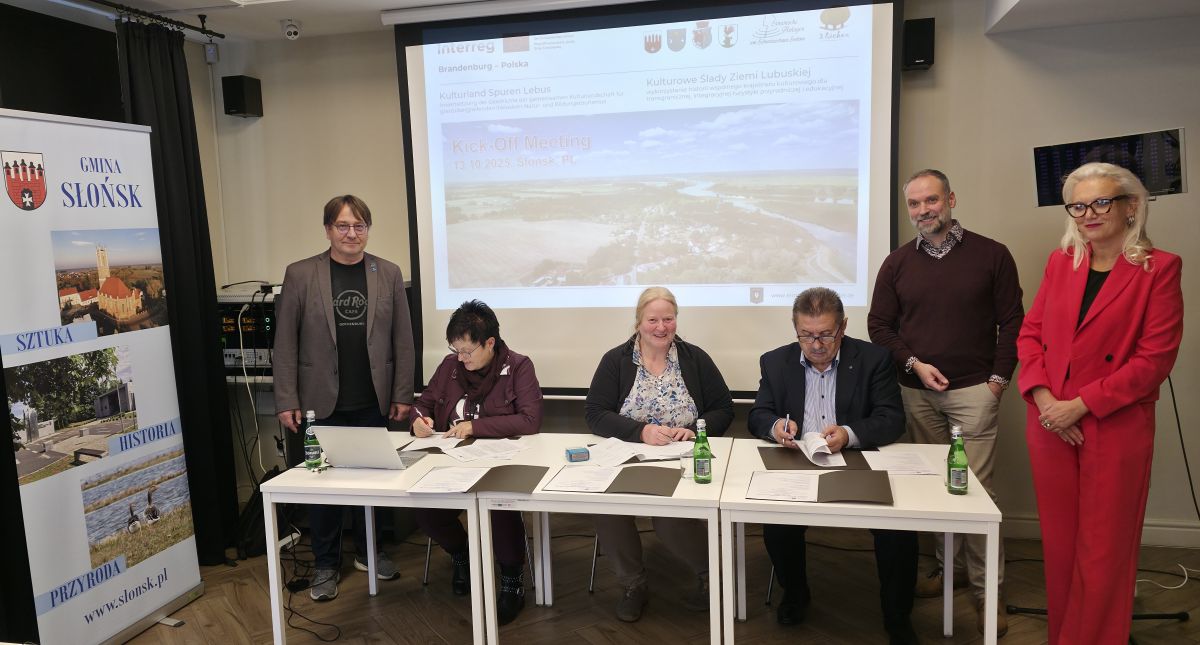
    To this end, a cross-border network of places of remembrance was founded in order to further develop and sustainably implement the project results. 12 network partners signed the co-operation agreement. 

    Sponsors of memorial sites of the Oder-Warthe region and the Pomerania Region are invited to actively participate in the new tourism network. Please signal your interest to the Economic Development Department of the town of Seelow.

    • Conference programme (pdf 1,1MB)
    • Conference report (pdf 2,8MB)
    • Co-operation agreement (pdf 1,6MB)

    Presentations

    Places of remembrance and network partners introduce themselves:

    • Memory connects: Project review 2019-2023, Thomas Drewing

    New memorials and meeting places in the Oder-Warthe region

    • Słońsk House of Culture, Joanna Cieciura
    • Villa Wagener Kostrzyn nad Odrą, Karolina Kunt, Agnieszka Zurawska-Tatala
    • Museum History Station Seelow (Mark), Thomas Drewing

    New tourism brand "Remembrance connects"

    • Multi-perspective memorial landscape Oder-Warthe, Dirk Röder

    European cultural routes take a look at the Oder-Warthe region

    • Liberation Route Europe - European Cultural Route of Liberation 1944-45, Joanna Roman
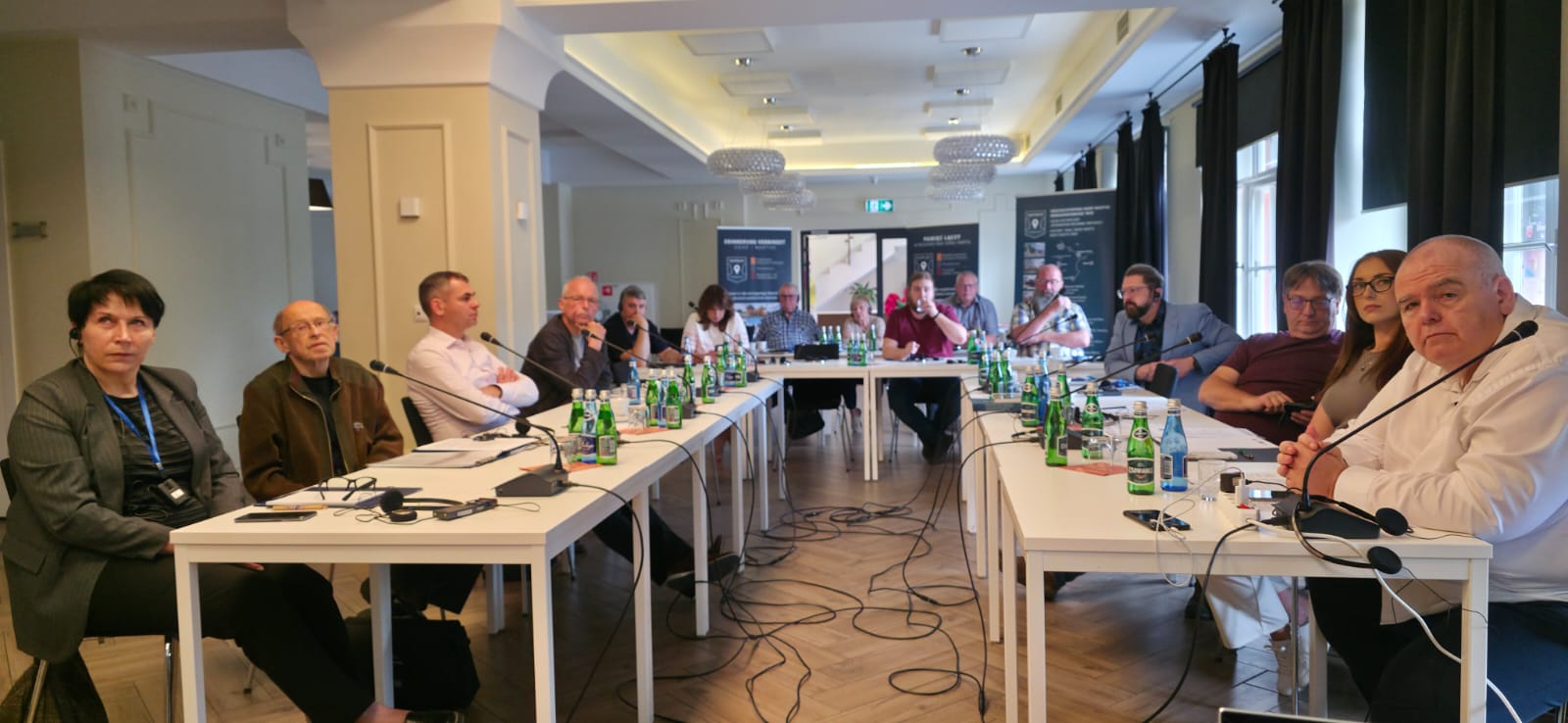
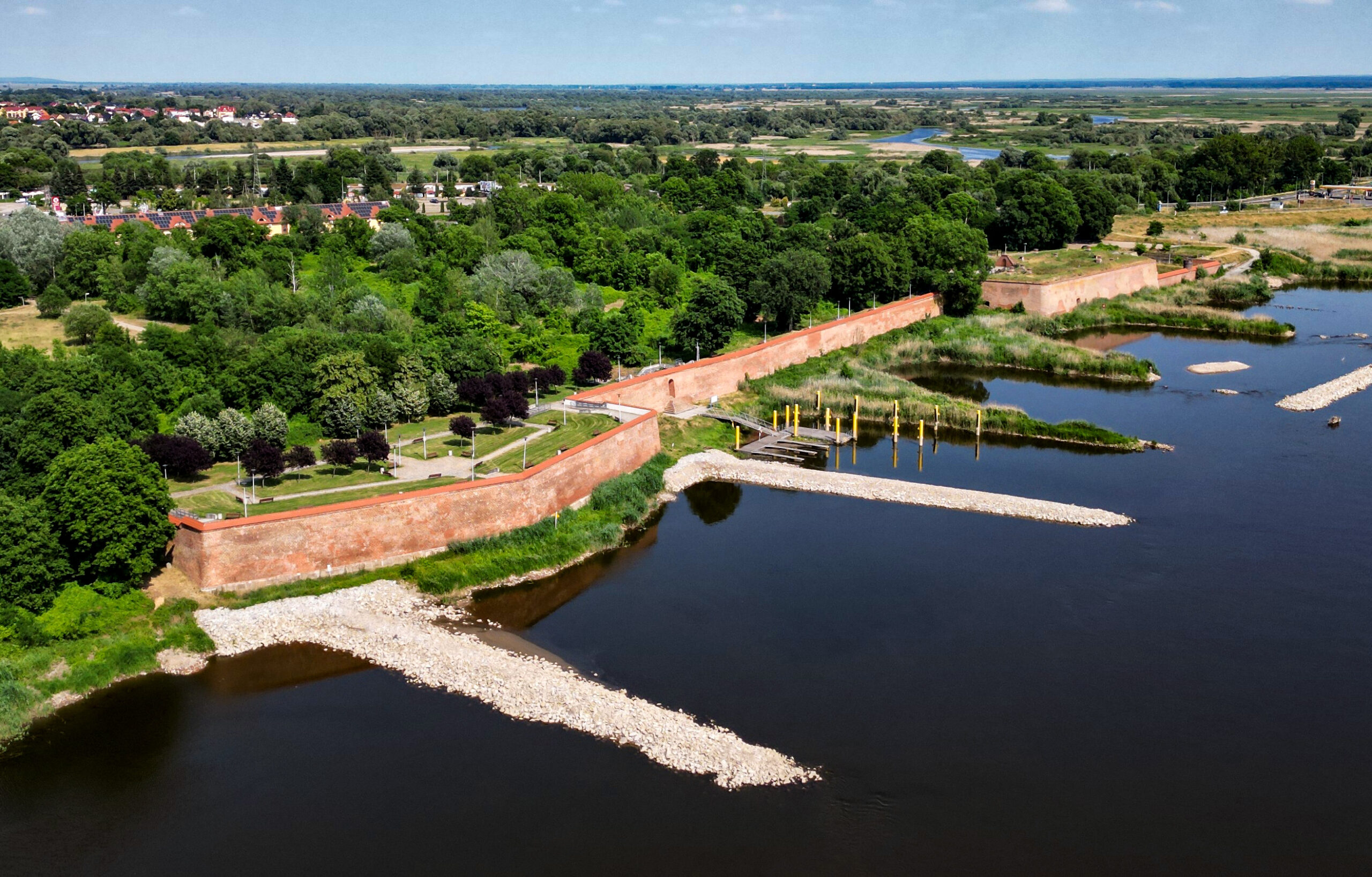
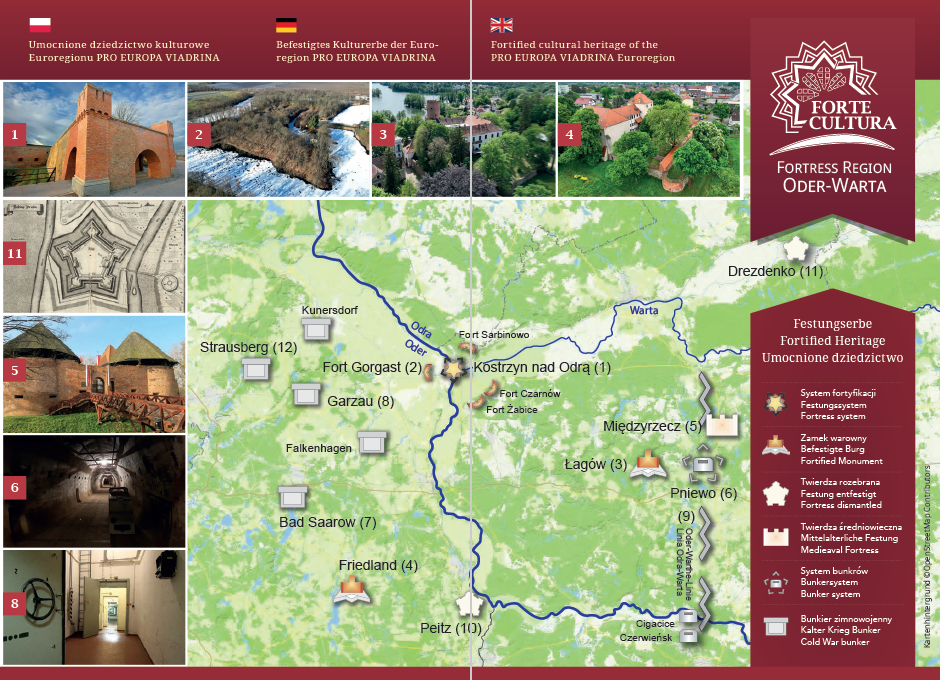
    • FORTE CULTURA - European Cultural Route of Fortified Monuments, Dirk Röder

    Interreg 6A funding programme 2024-2027

    • Outlook on the new programme content, Ariane Thiele

    New network "Remembrance connects"

    • Goals, structure, measures of the new German-Polish network, Dirk Röder

    Places of remembrance and network partners introduce themselves

    • EHL network Oderbruch villages, Dr Kennneth Anders
    • Network Traces of the Johanniter, Julia Bork
    • Meserice Regional Museum, Międzyrzecz, Katarzyna Sztuba-Frackowiak
    • Museum Lubuskie Gorzów Wielkopolski, Ewa Pawlak
    • Museum Viadrina, Memorial and Documentation Centre "Victims of Political Tyranny", Frankfurt (Oder), Dr Tim S. Müller
    • Martyrdom Museum Słońsk
    • Museum Visitor Centre of the "Ujście Warty" National Park in Słońsk, Maciej Mazurczak
    • MRU Museum Oder-Warthe Fortress Arch, Leszek Lisiecki
    • Küstrin Fortress Museum, Kostrzyn nad Odrą, Ryszard Skałba
    • Schweizerhaus Seelow, Uwe Trzewik
    • City of Santok, Krzystof Karwatowicz
    • Historical-Technical Museum Peenemünde, Dr Gericke

    Interreg 5aA funding logo

    The project was funded by the European Union (2018-2023).

en_GB