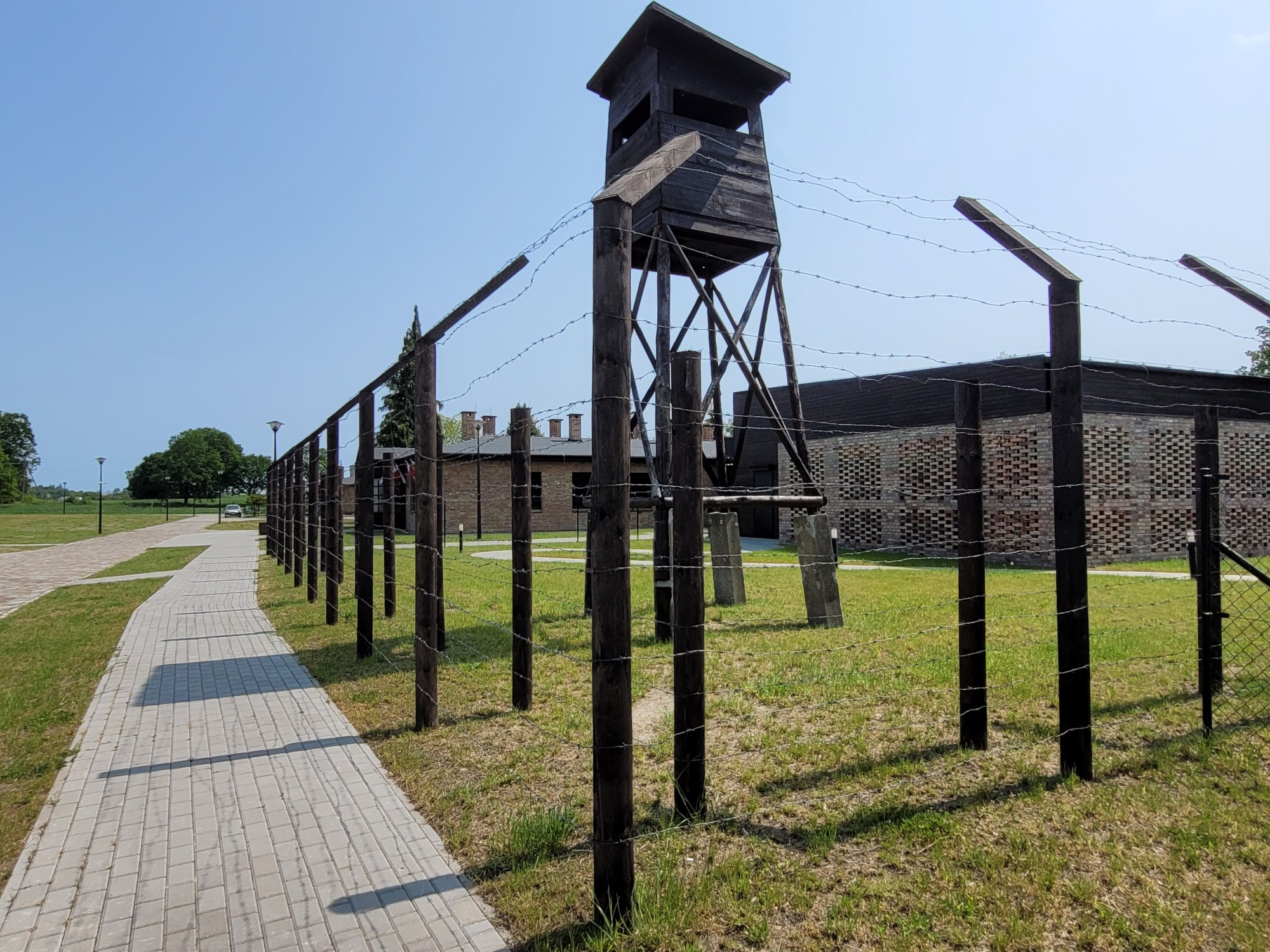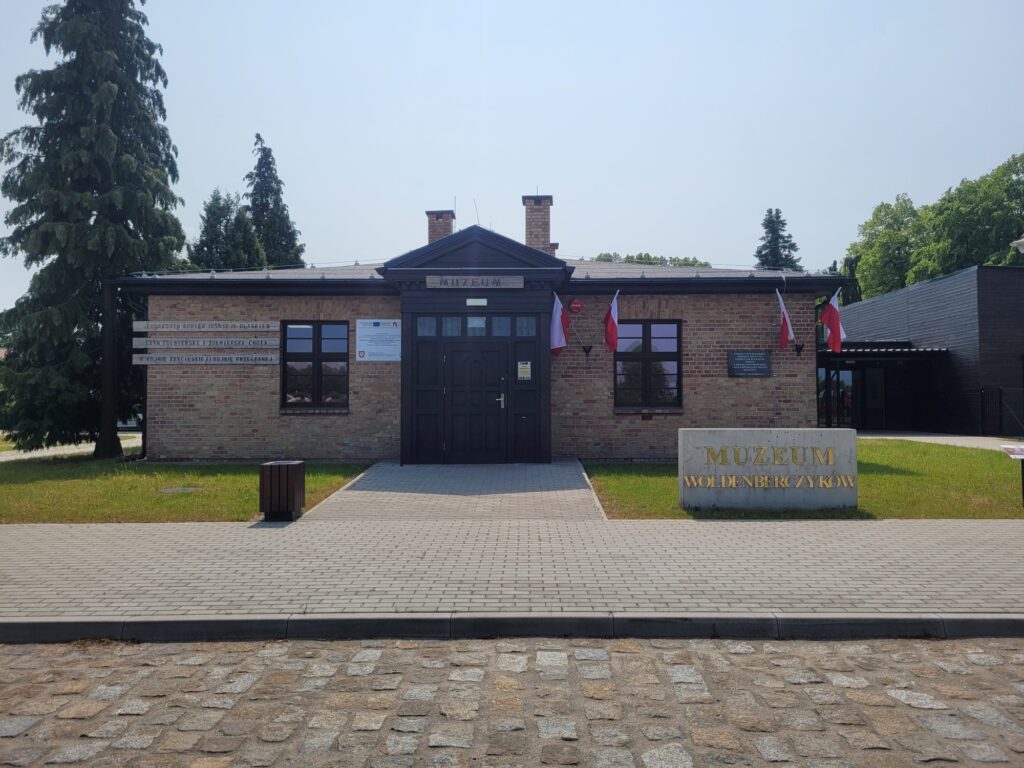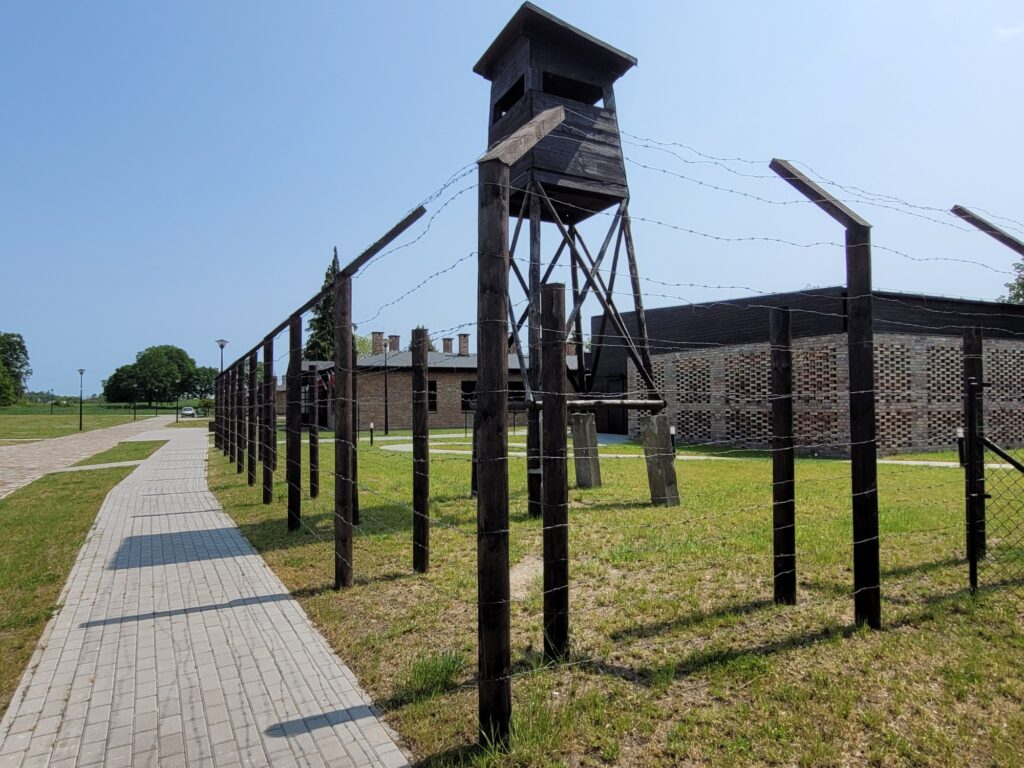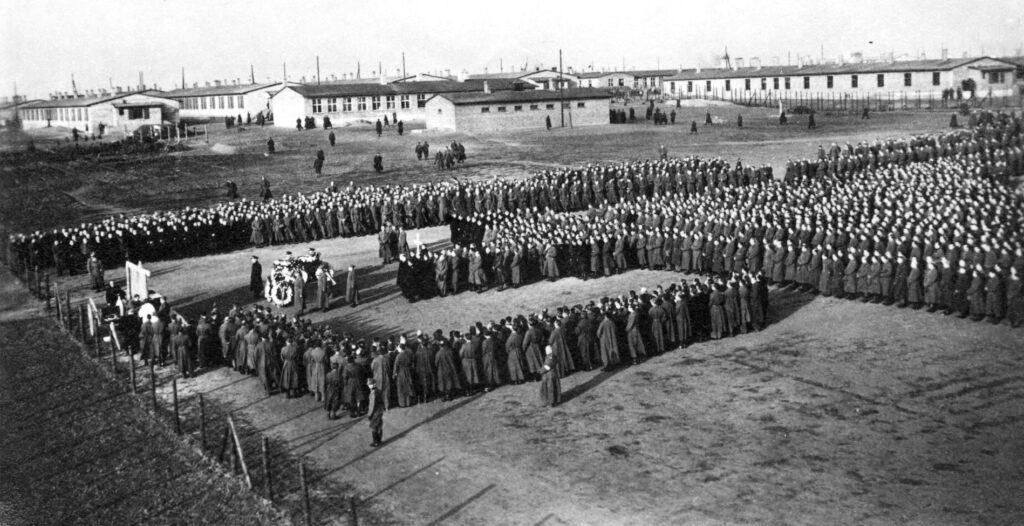
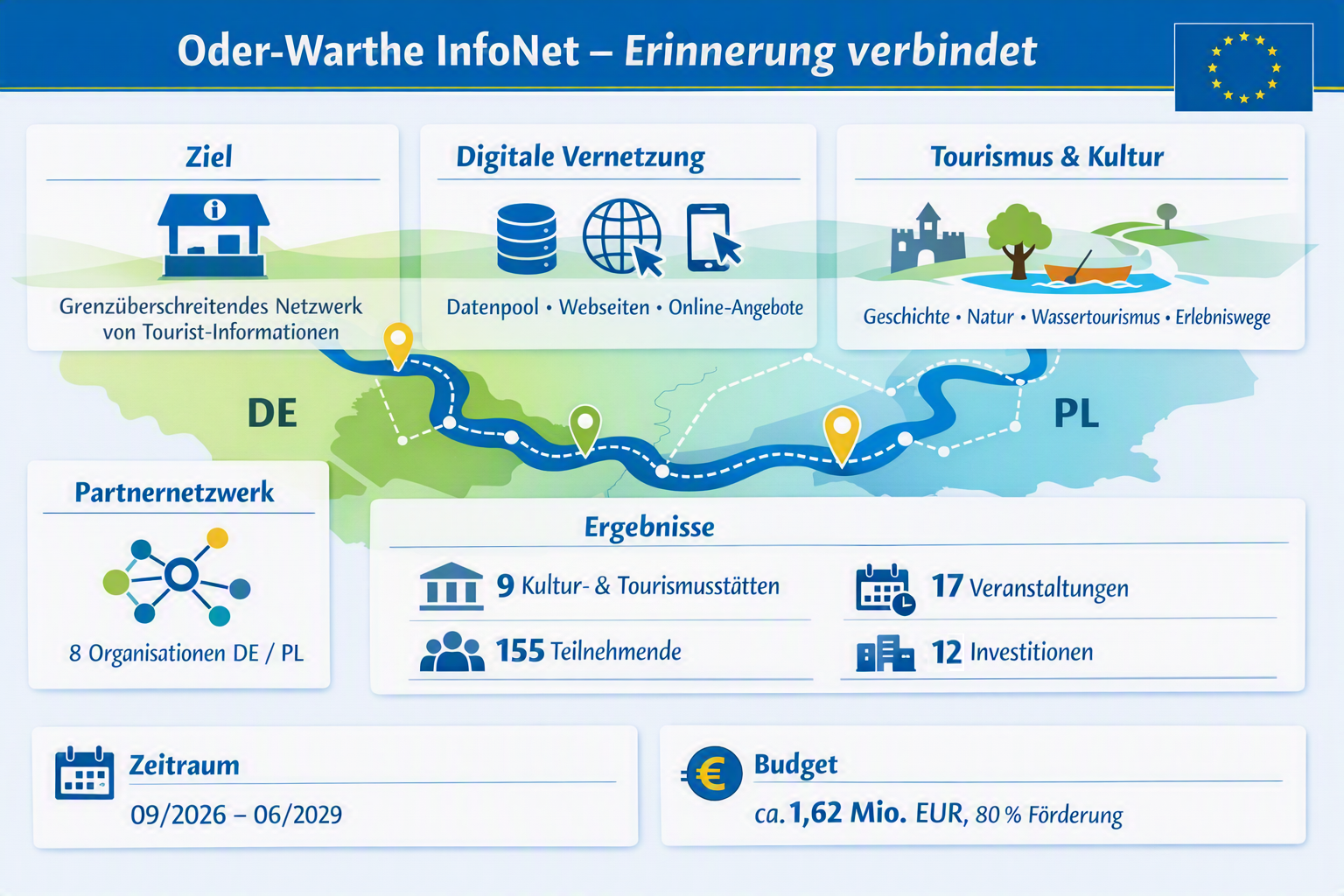
The Oder-Warthe region combines exceptional natural experiences, vibrant culture, and a multifaceted German-Polish history. With the „Oder-Warthe InfoNet“ project, tourist information is being bundled across borders, made more multilingual accessible, and better interconnected both analog and digitally.
The project at a glance
- Duration: September 2026 to June 2029
- Total budget: 1,620,713.00 Euros
- Funding: 1,296,570.37 euros
- Lead Partner: City of Seelow (Mark)
- Region: German-Polish border area along the Oder and the Warthe
An information network for the entire region
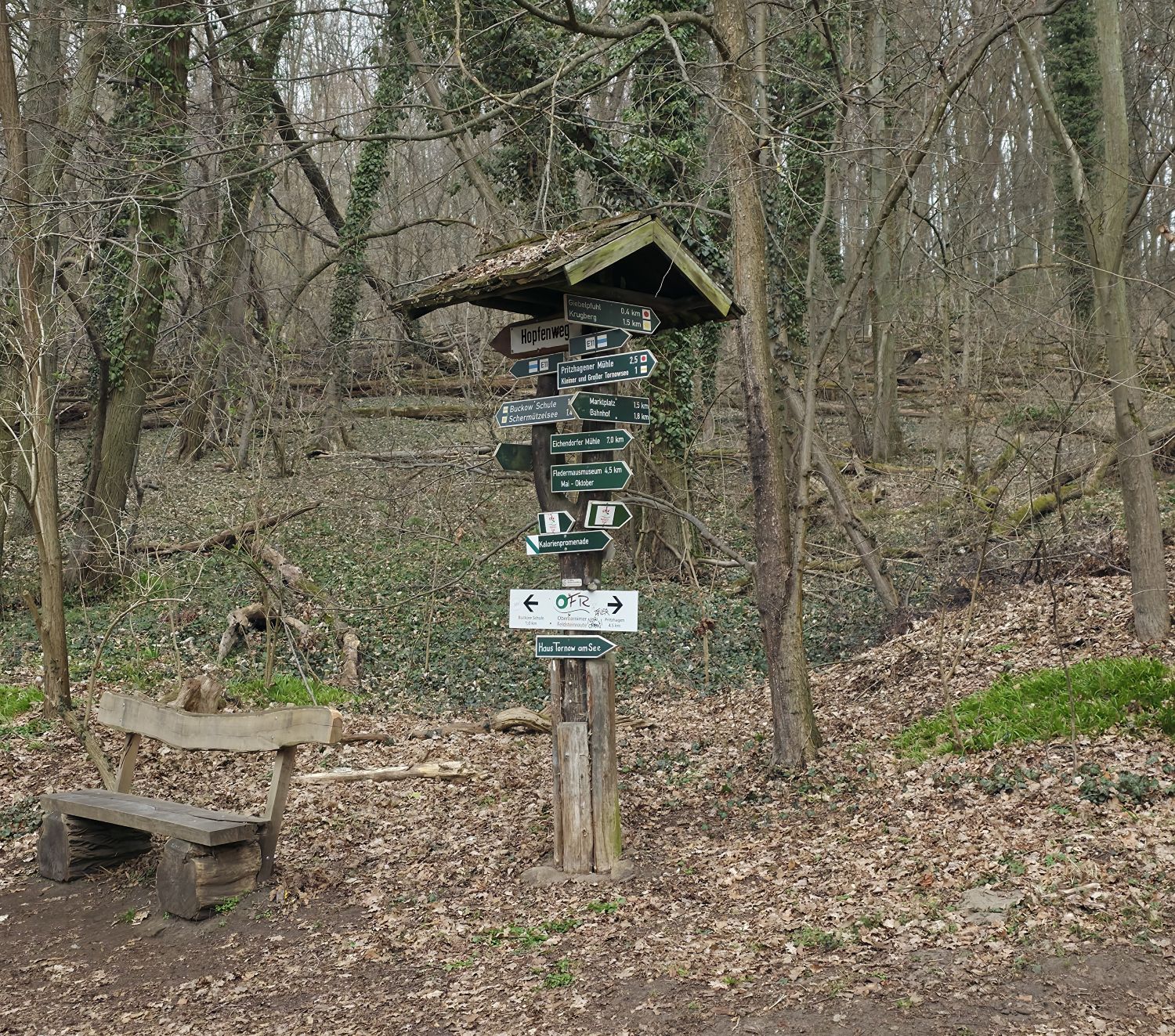
Many attractions, historical sites, and cycling and water routes are not yet sufficiently interconnected or digitally visible. „Oder-Warthe InfoNet“ brings these offerings together under the tourism brand „Connecting Memories.“ New and modernized information points, interactive guidance systems, and digital applications ensure that guests can more easily find reliable, up-to-date, and multilingual information.
What is created?
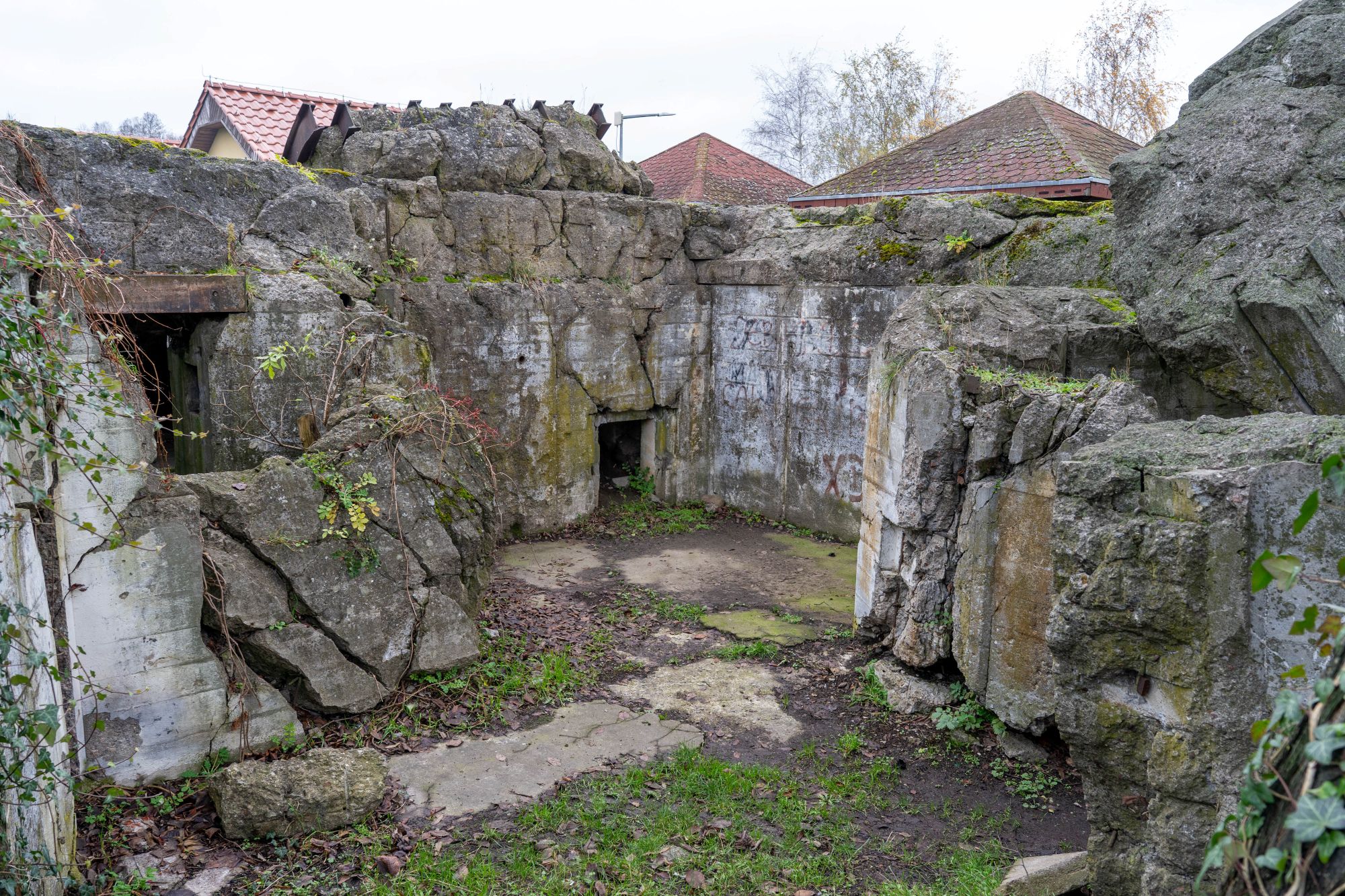
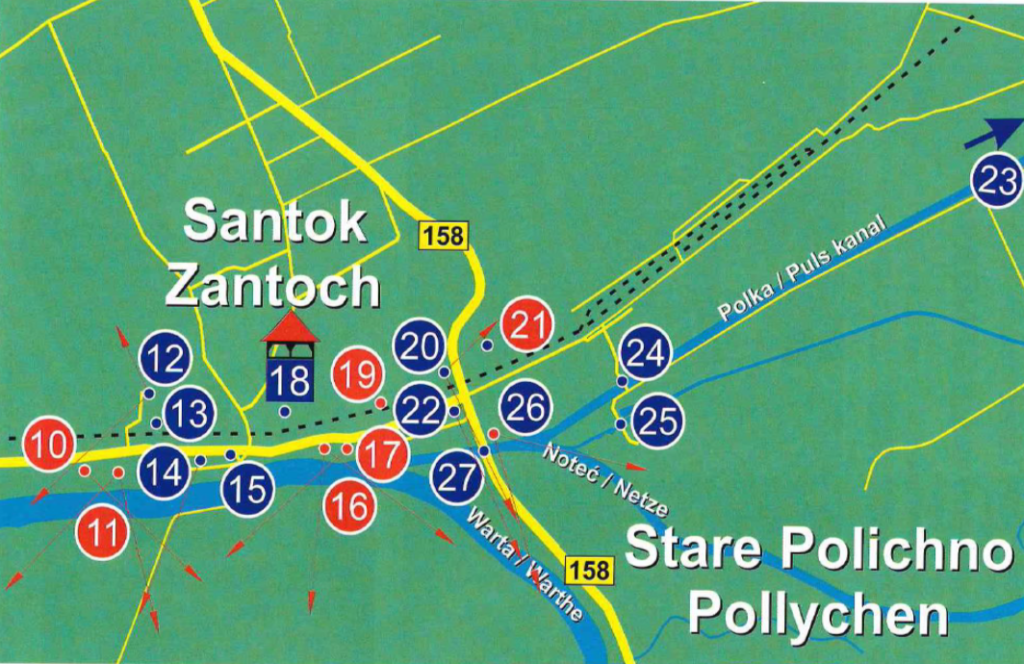
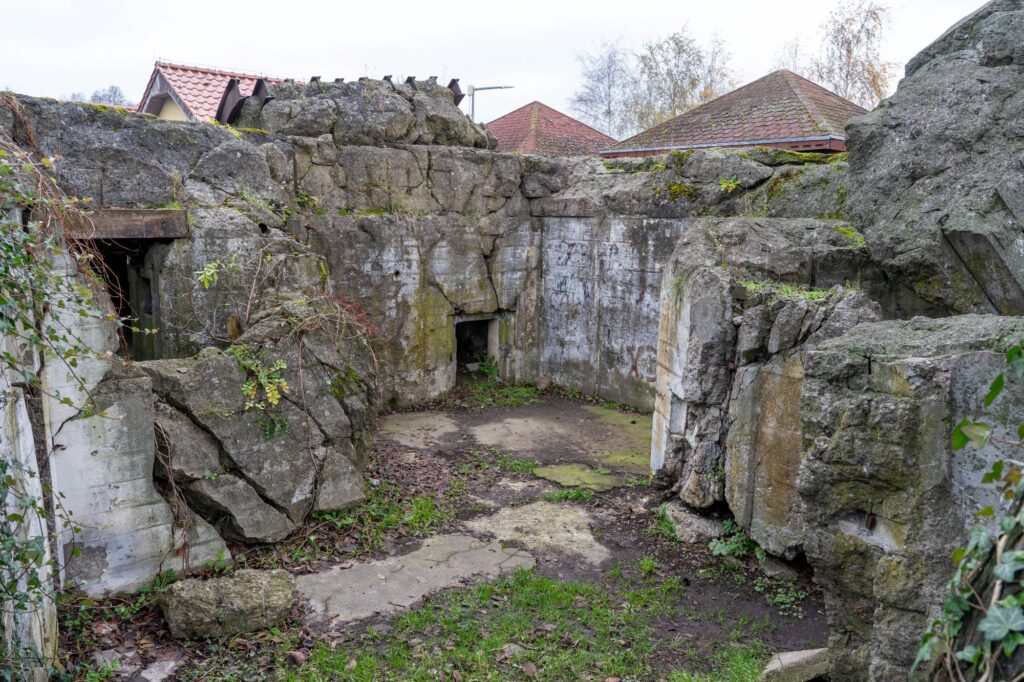
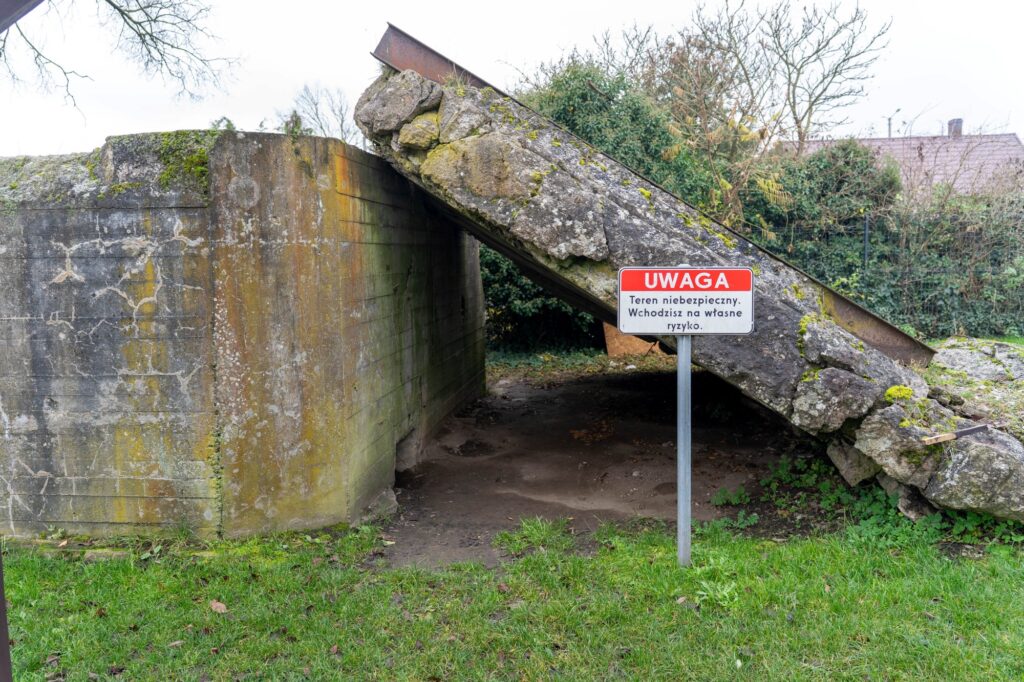
- Connected tourist information: In Seelow, Międzyrzecz, Letschin, Kostrzyn nad Odrą, Słońsk and Santok, information services are being created or modernized.
- Stronger tourist hubs: Marinas, cycling and water routes, as well as nature and cultural offerings will be better accessible and presented together.
- Digital visibility: Consistently structured content improves discoverability on websites, in apps, on platforms, and in AI-powered search and recommendation systems.
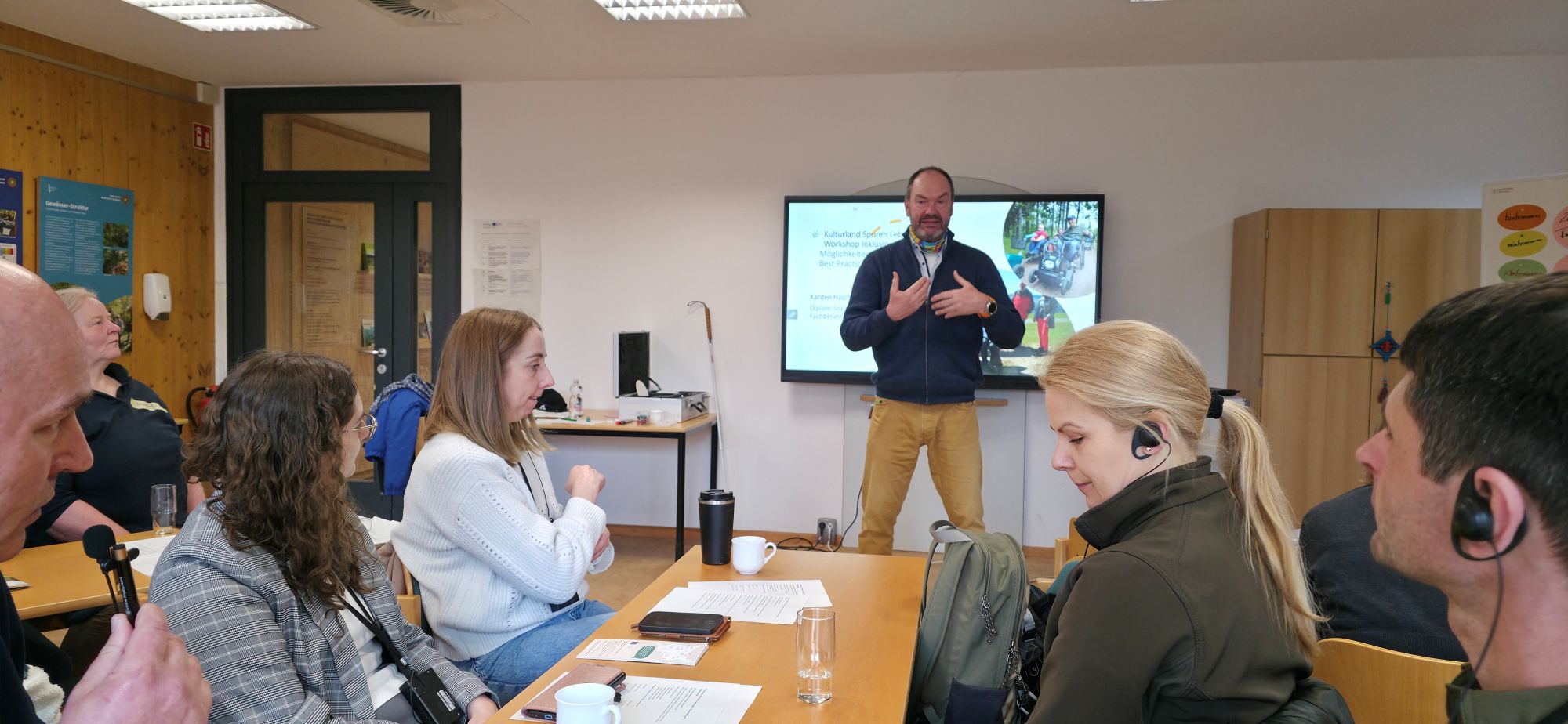
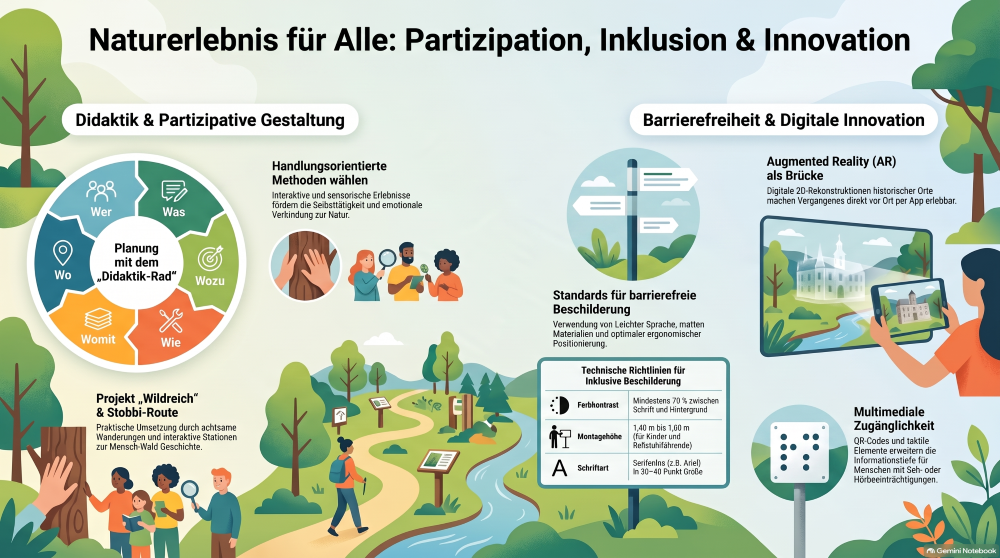
- Common standards: German-Polish workshops are developing guidelines for tourism management, marketing, monitoring, sustainability and inclusion.
Experience the region together
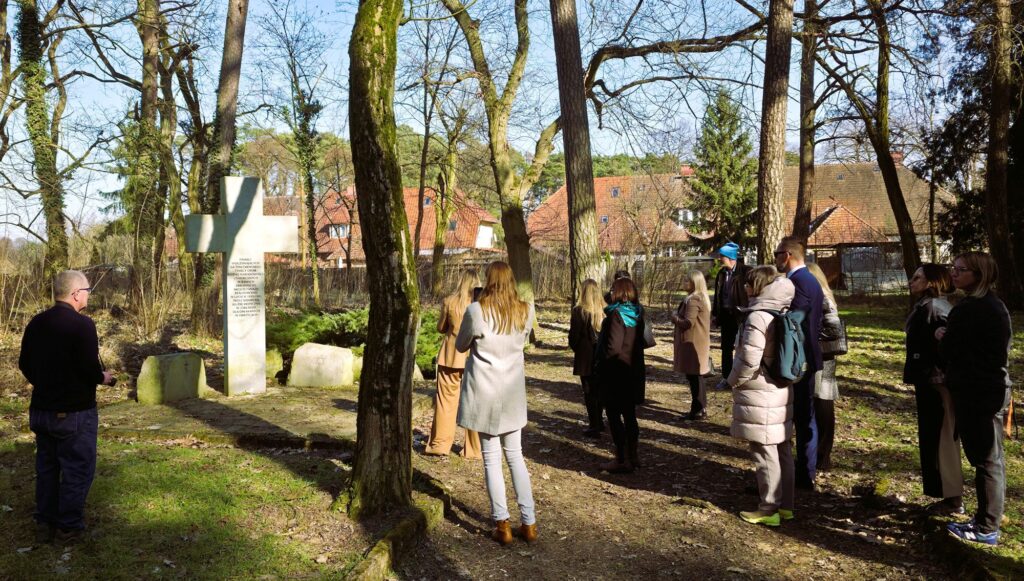
Historical themed routes and tourist paths do not end at the border. Therefore, the project partners are developing common content, quality standards and marketing tools. Tourism days, a harbor festival and events to mark World River Day invite guests and locals to get acquainted with new offerings on both sides of the Oder and the Warthe rivers.
Benefits for guests and the region
Travelers, residents, cultural institutions, municipalities, tourism organizations, and local businesses all benefit from the „Oder-Warthe InfoNet.“ Better accessible information, attractive points of contact, and a strong common brand are intended to prolong stays, support sustainable mobility, promote regional value creation, and raise awareness of the shared cultural heritage.
Together for a visible Oder-Warthe region
The project creates a permanent German-Polish information network that connects physical and digital offerings and positions the Oder-Warthe region as a modern, inclusive and historically aware tourism destination.
Contact
City of Seelow (Mark)
Economic Promotion and Regional Development Unit
Phone: +49 3346 8551990
Email: interregseelow@web.de
Further information: www.erinnerung-verbindet.eu
project events
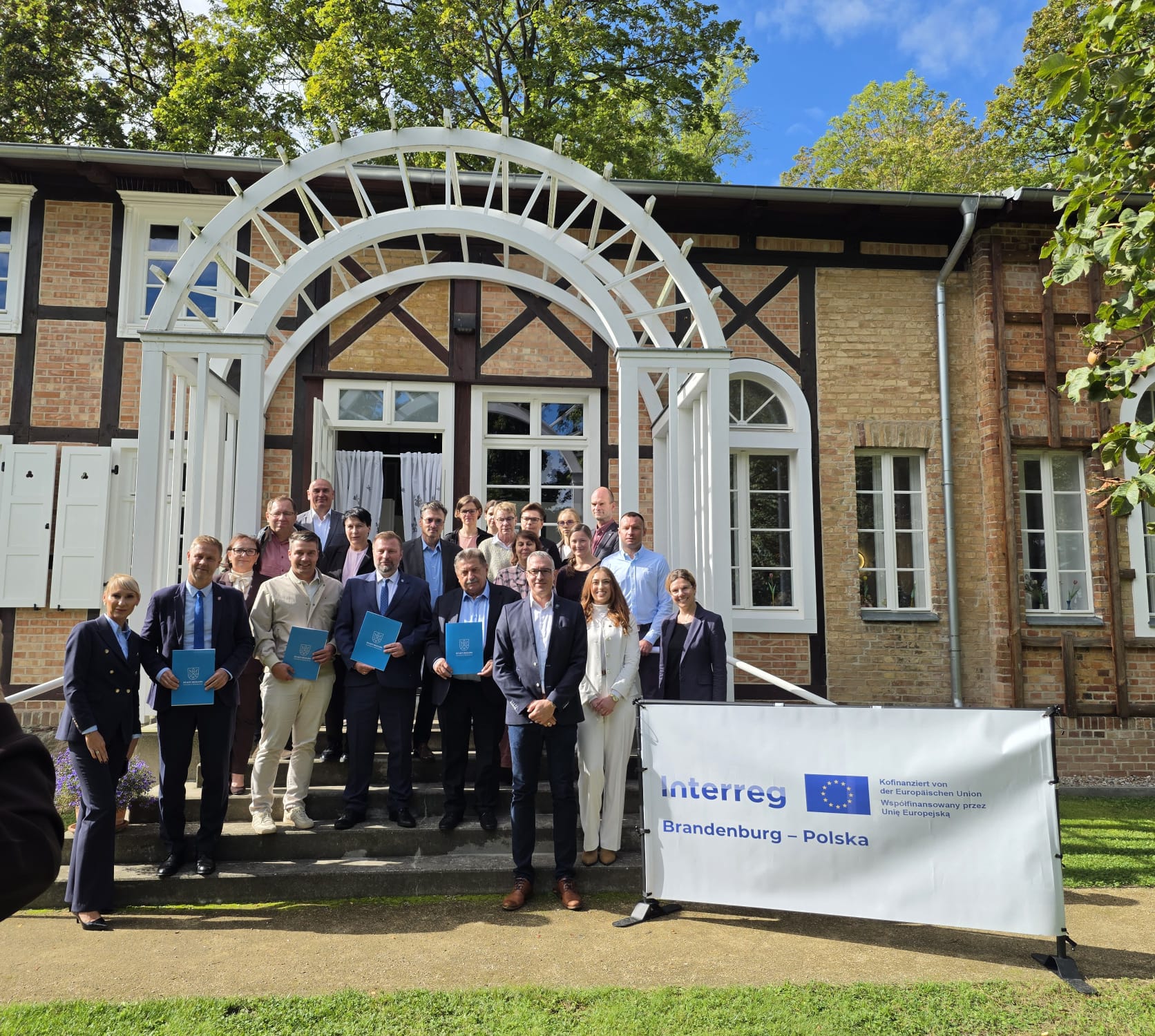
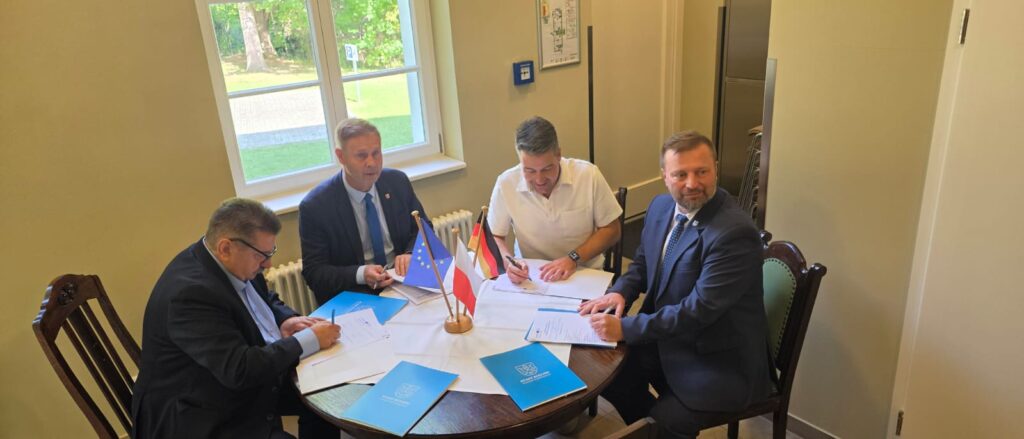
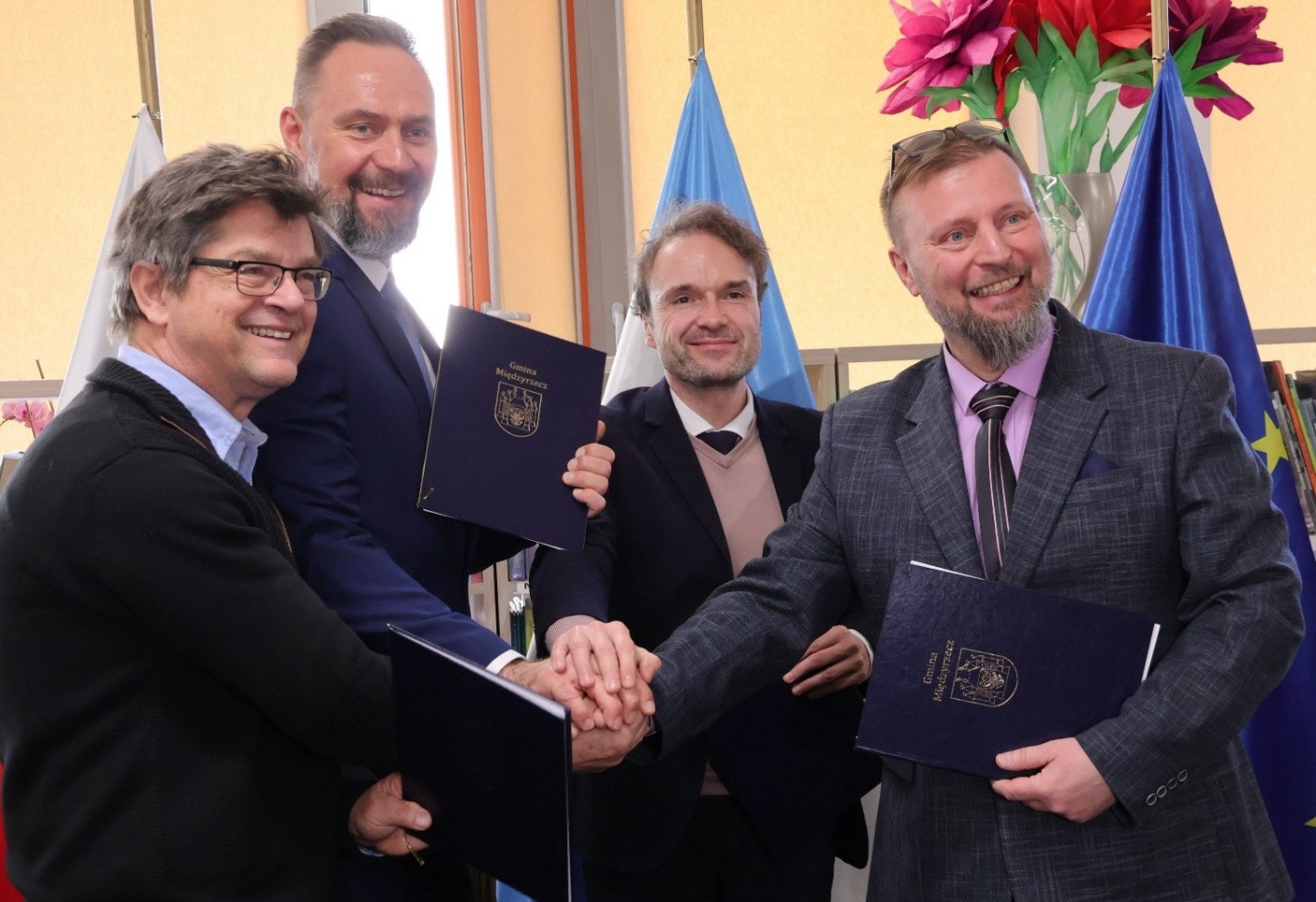
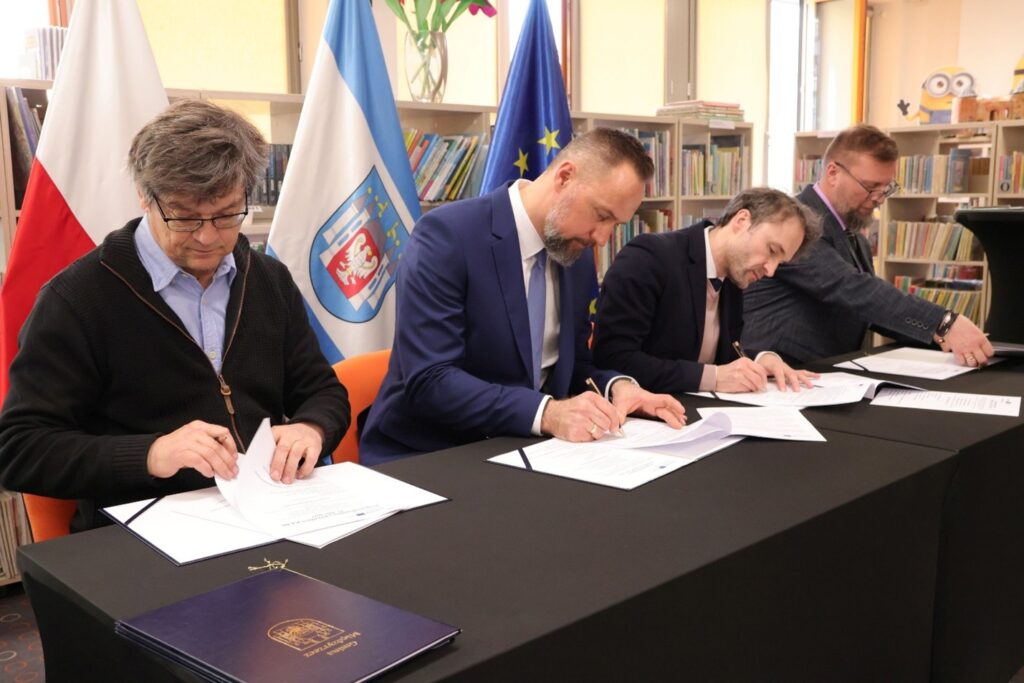
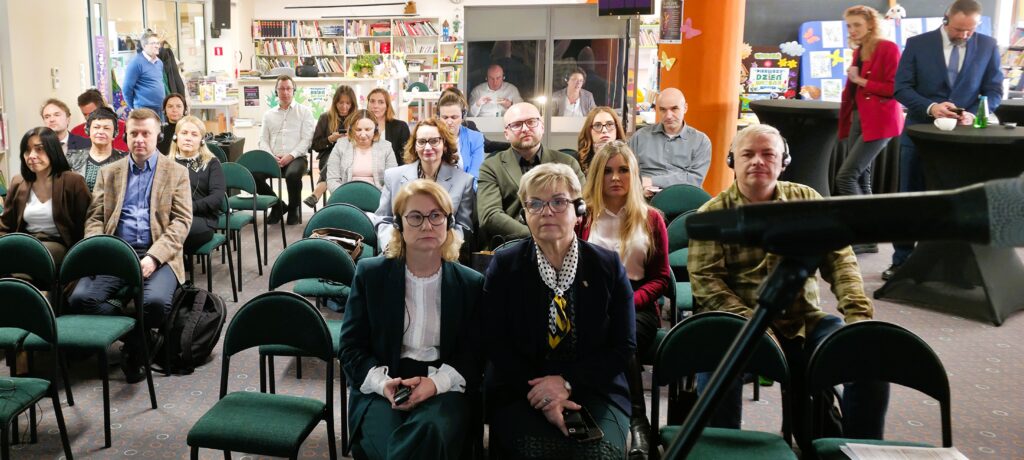
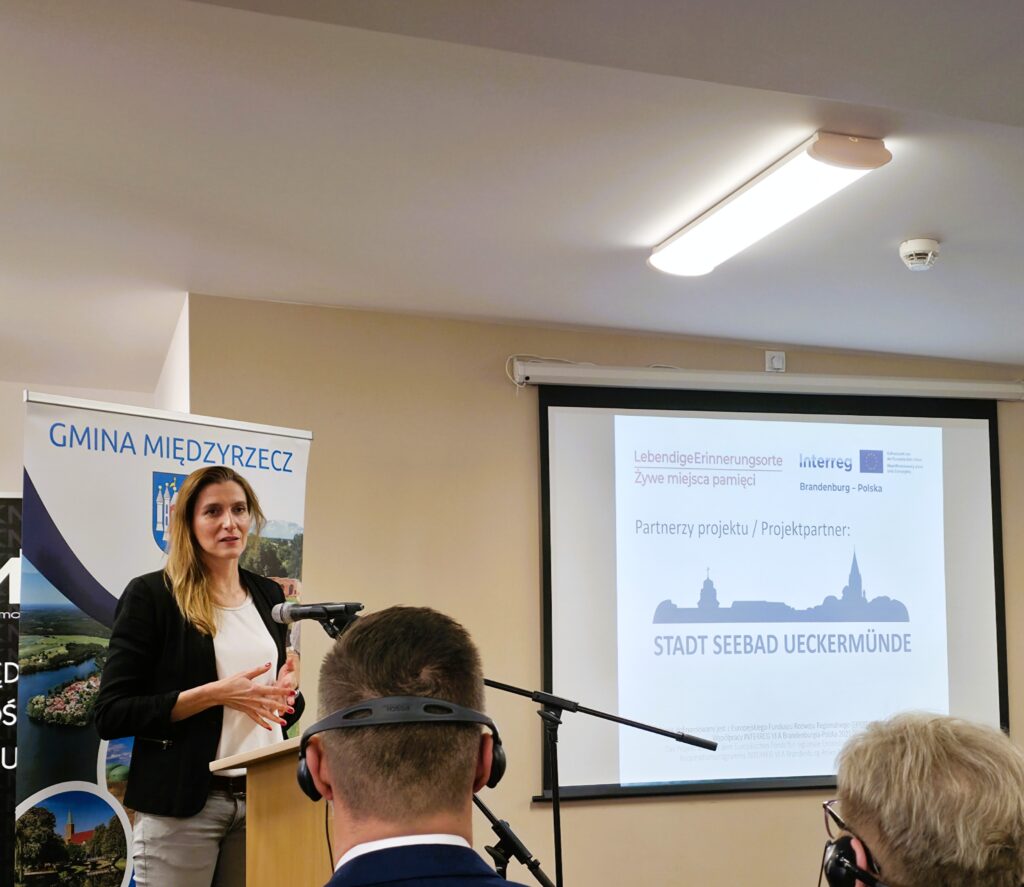
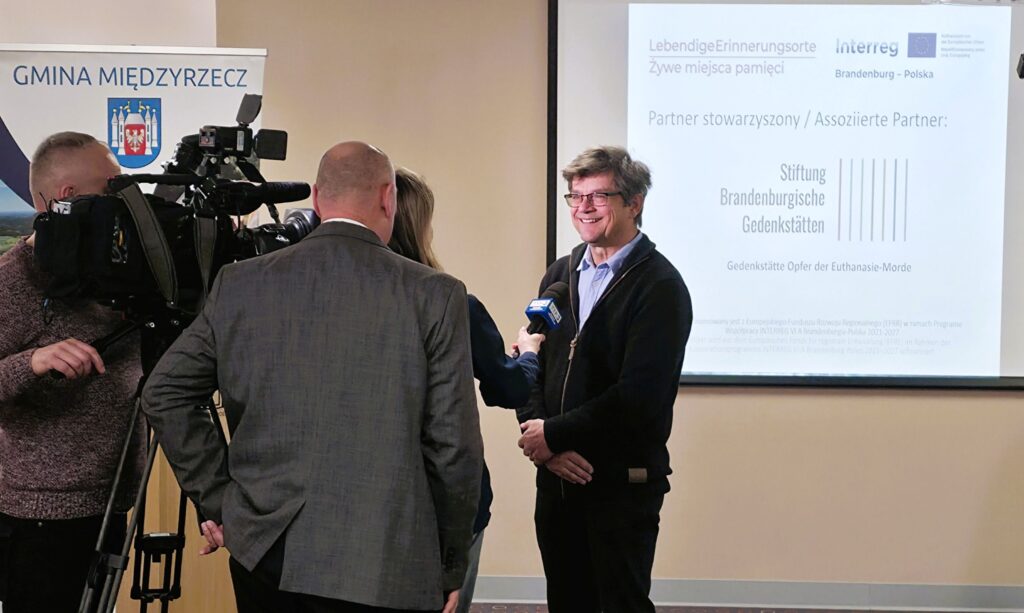
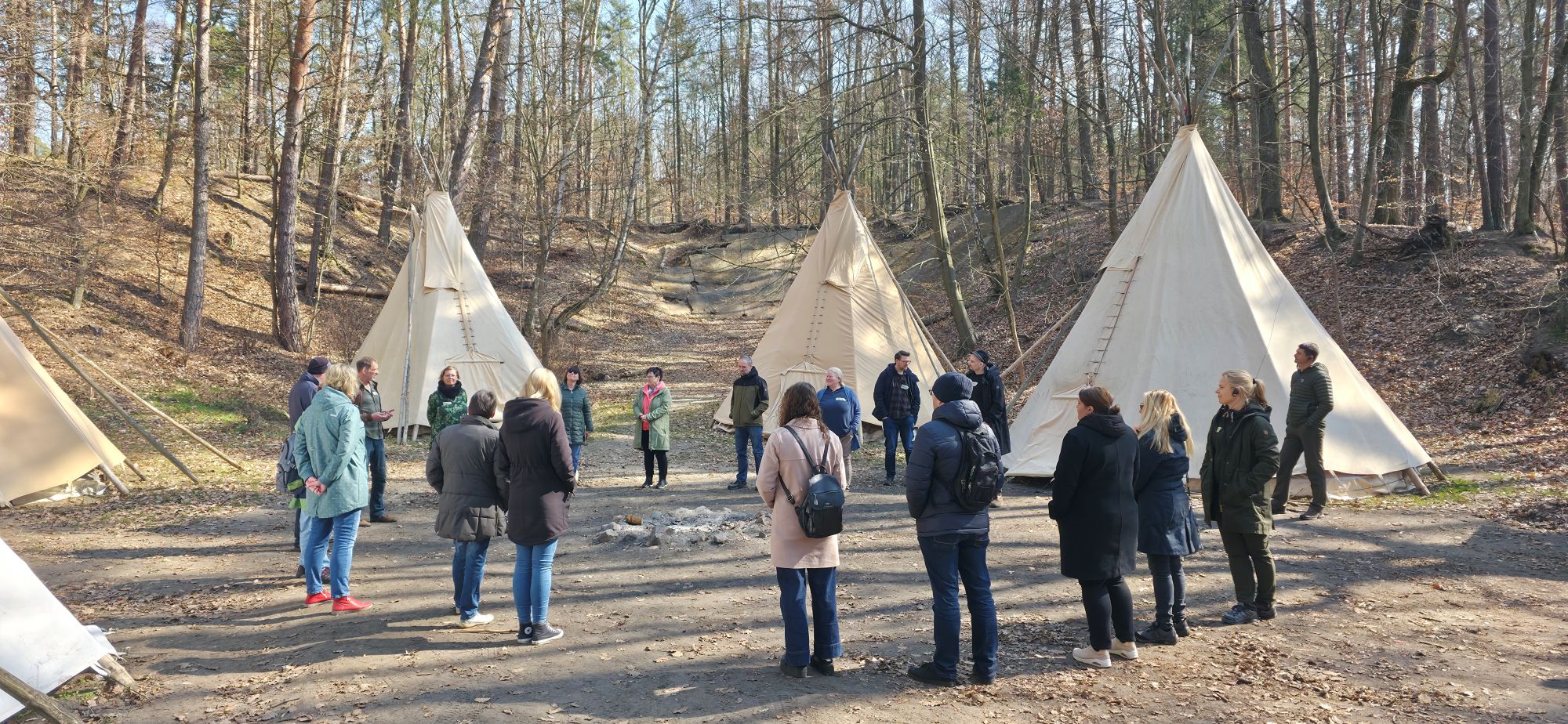
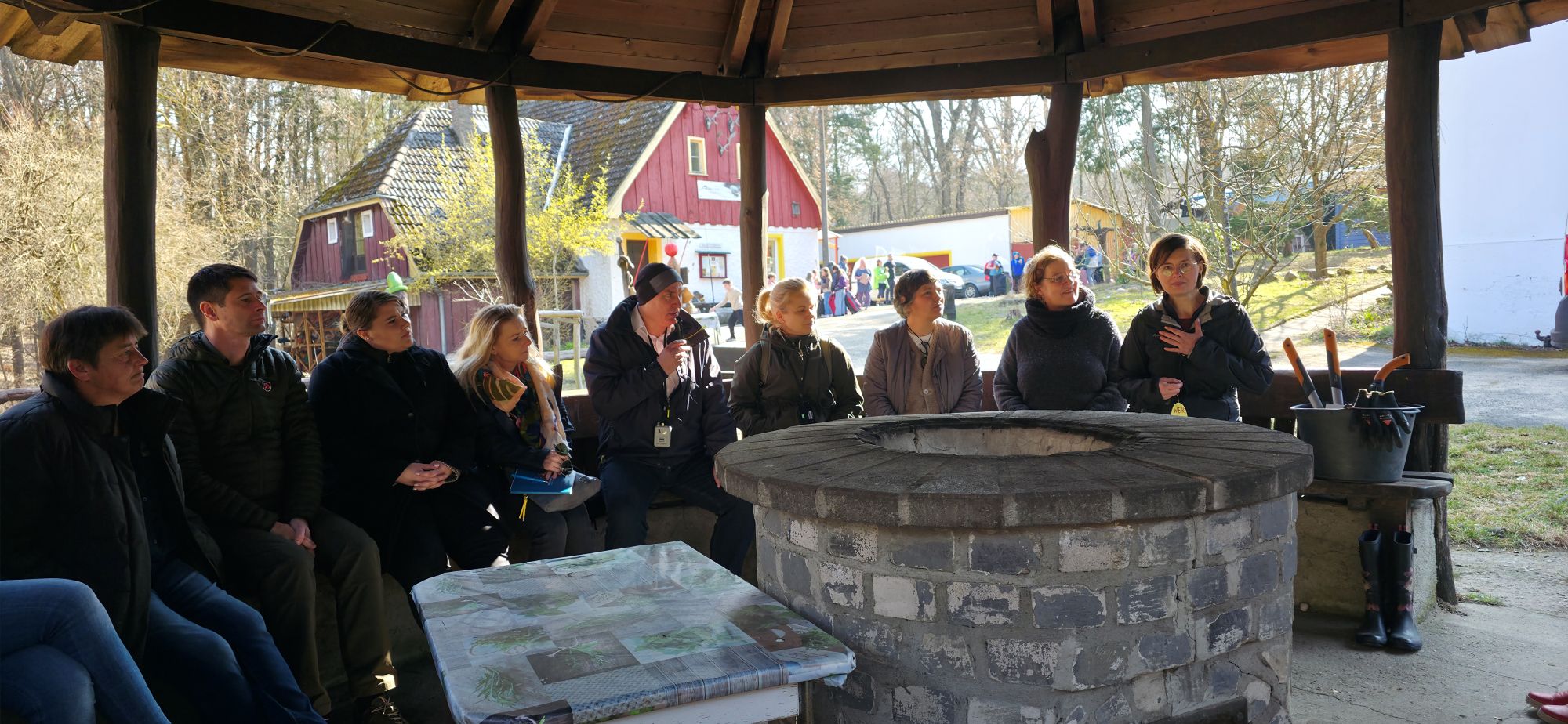
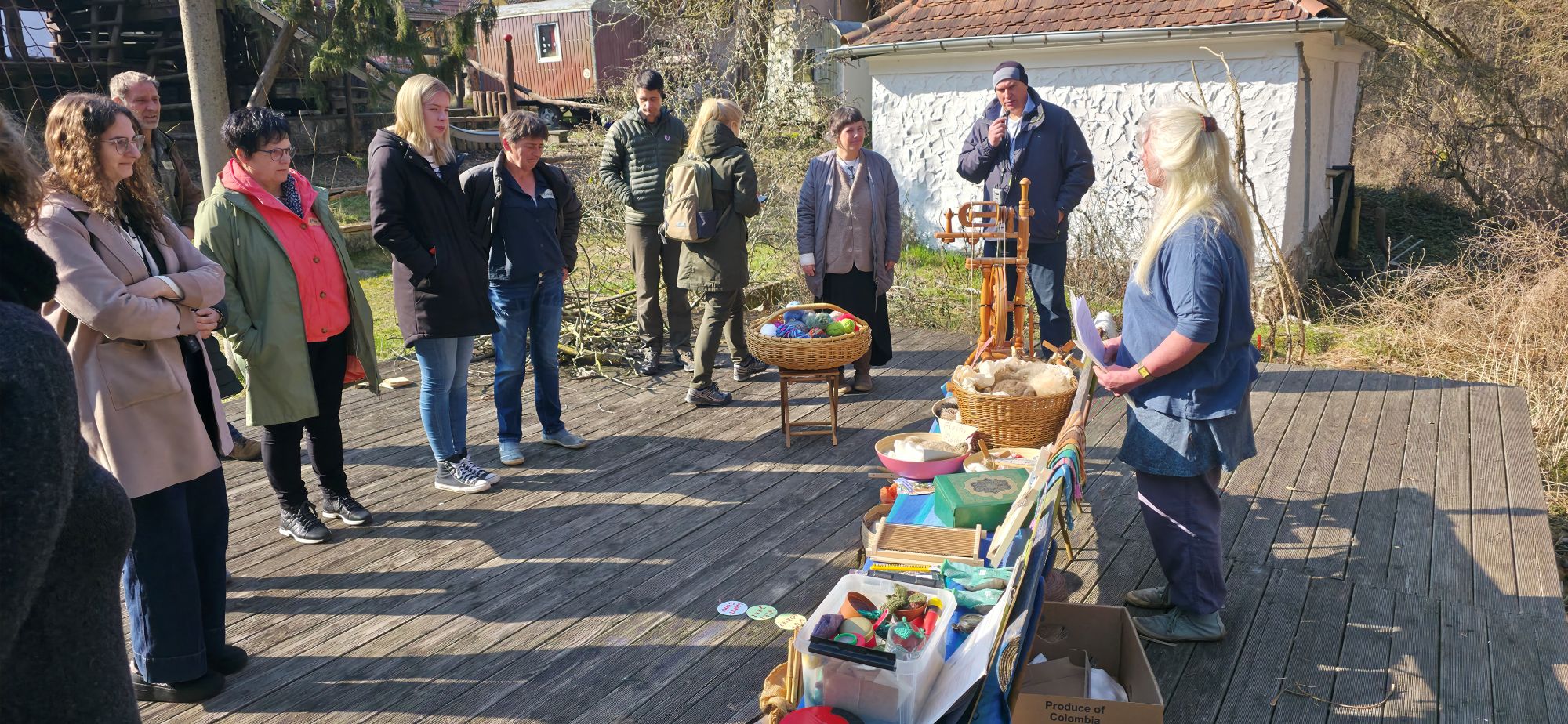
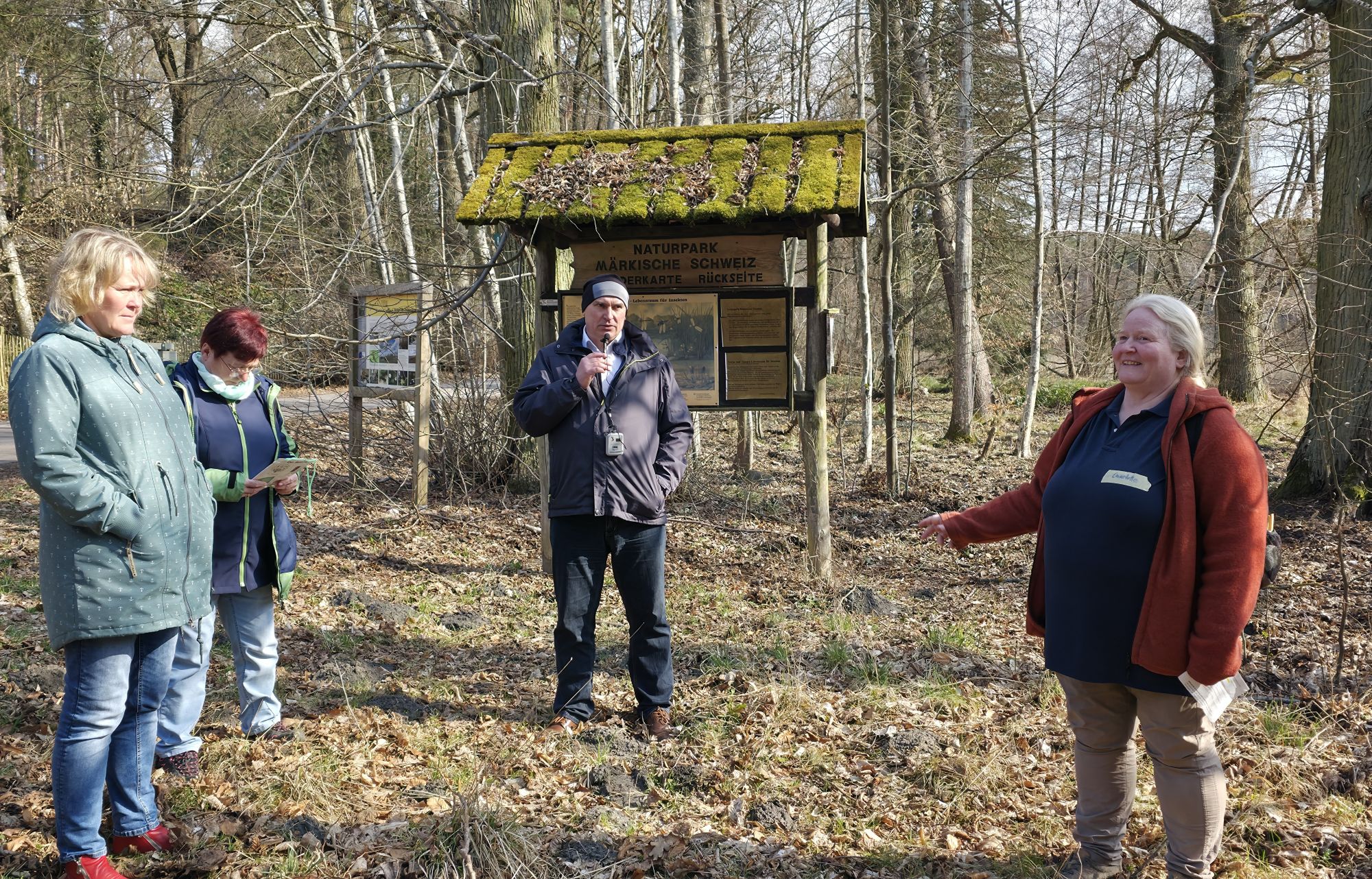
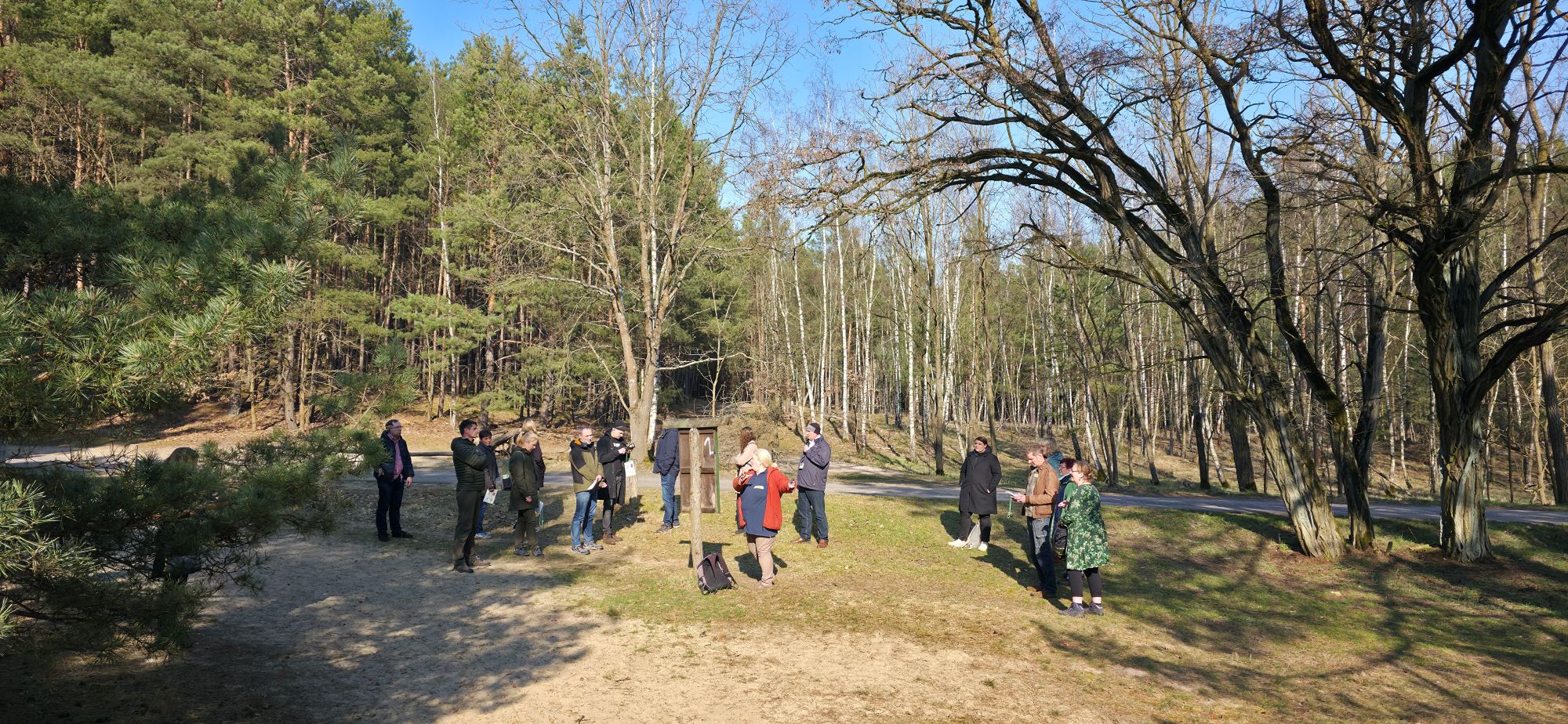
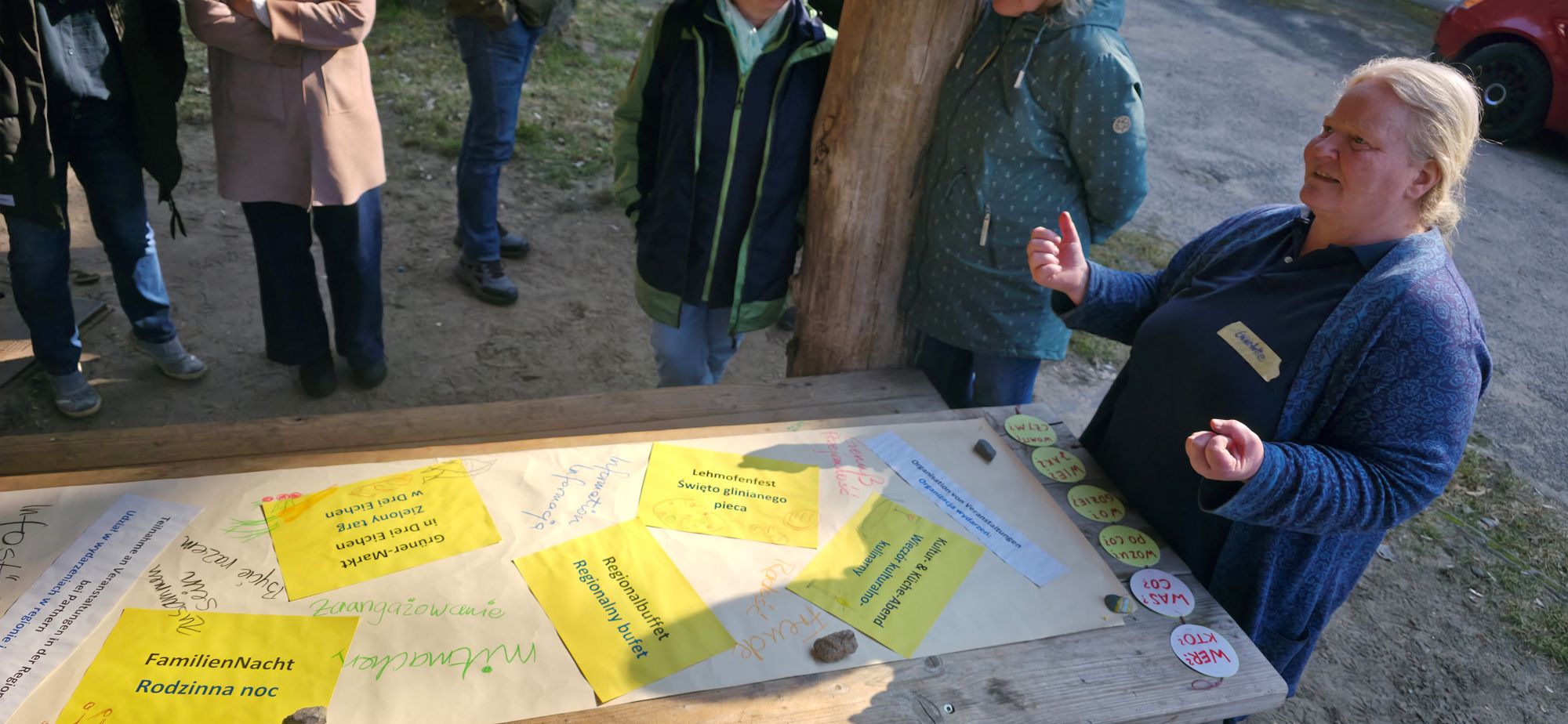
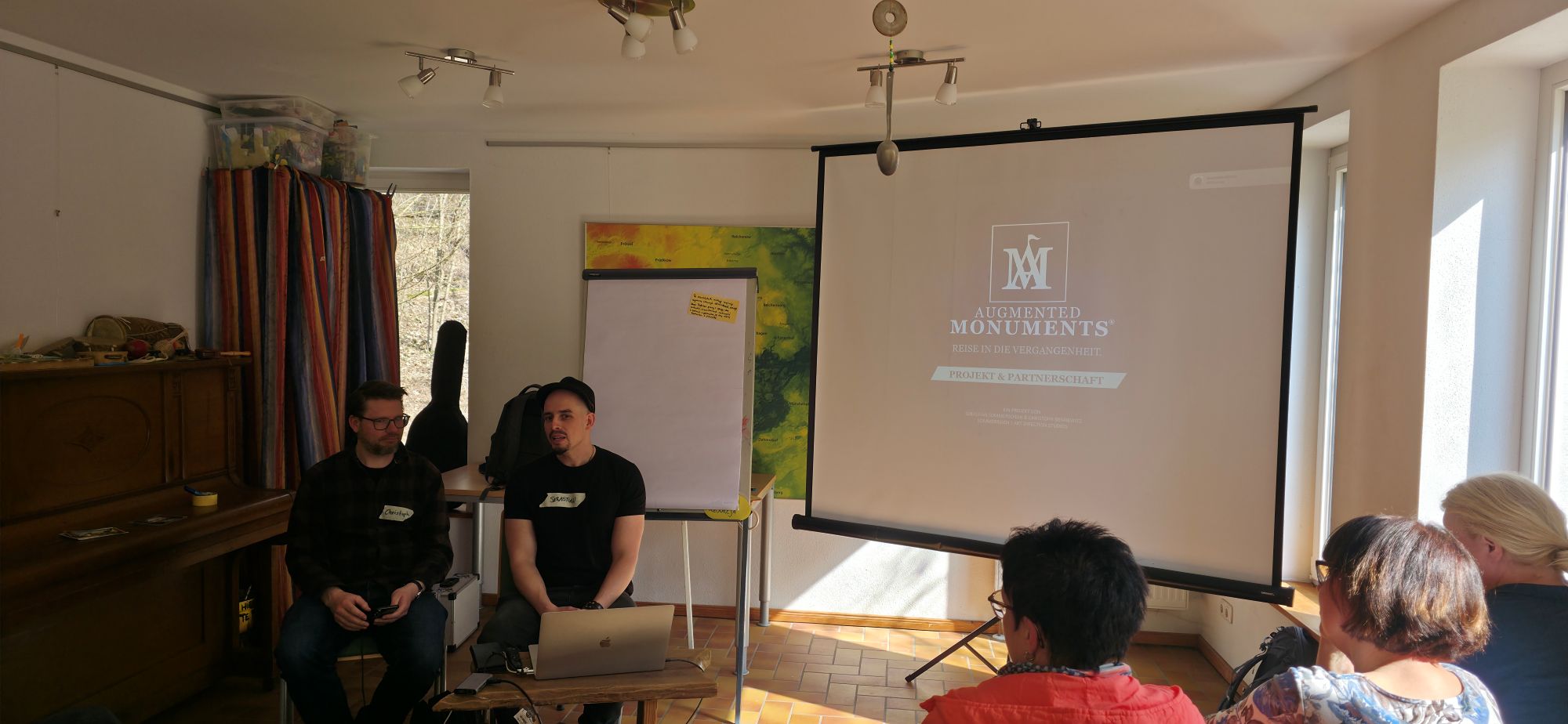
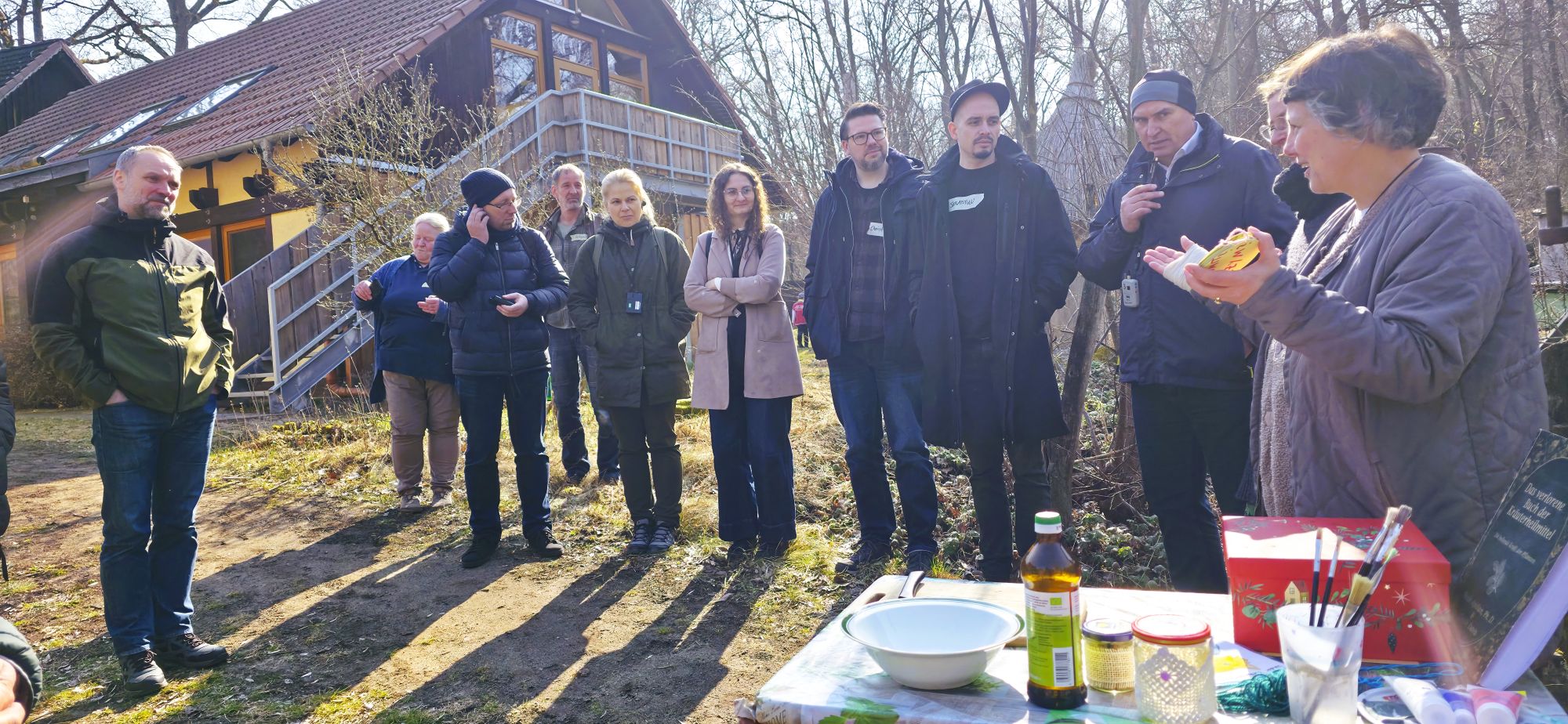
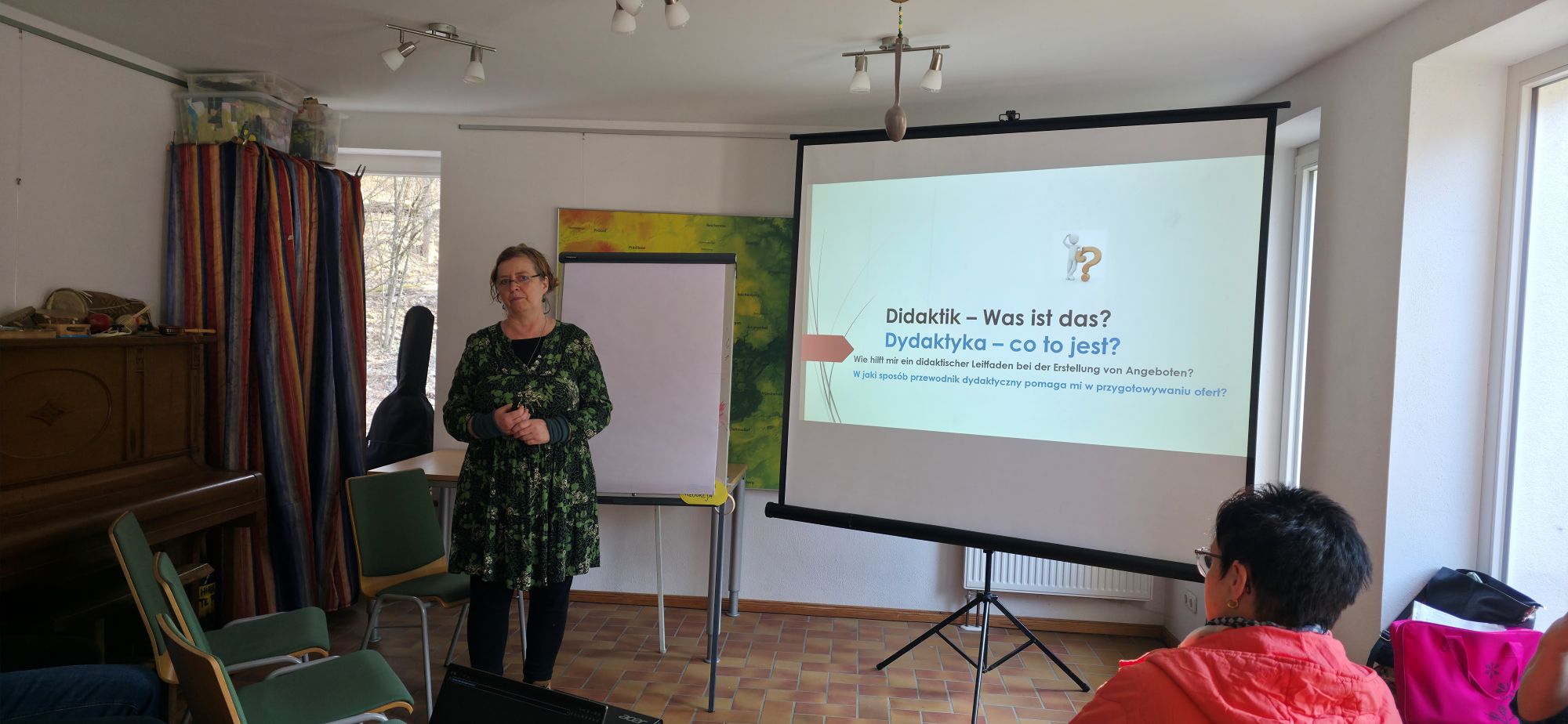
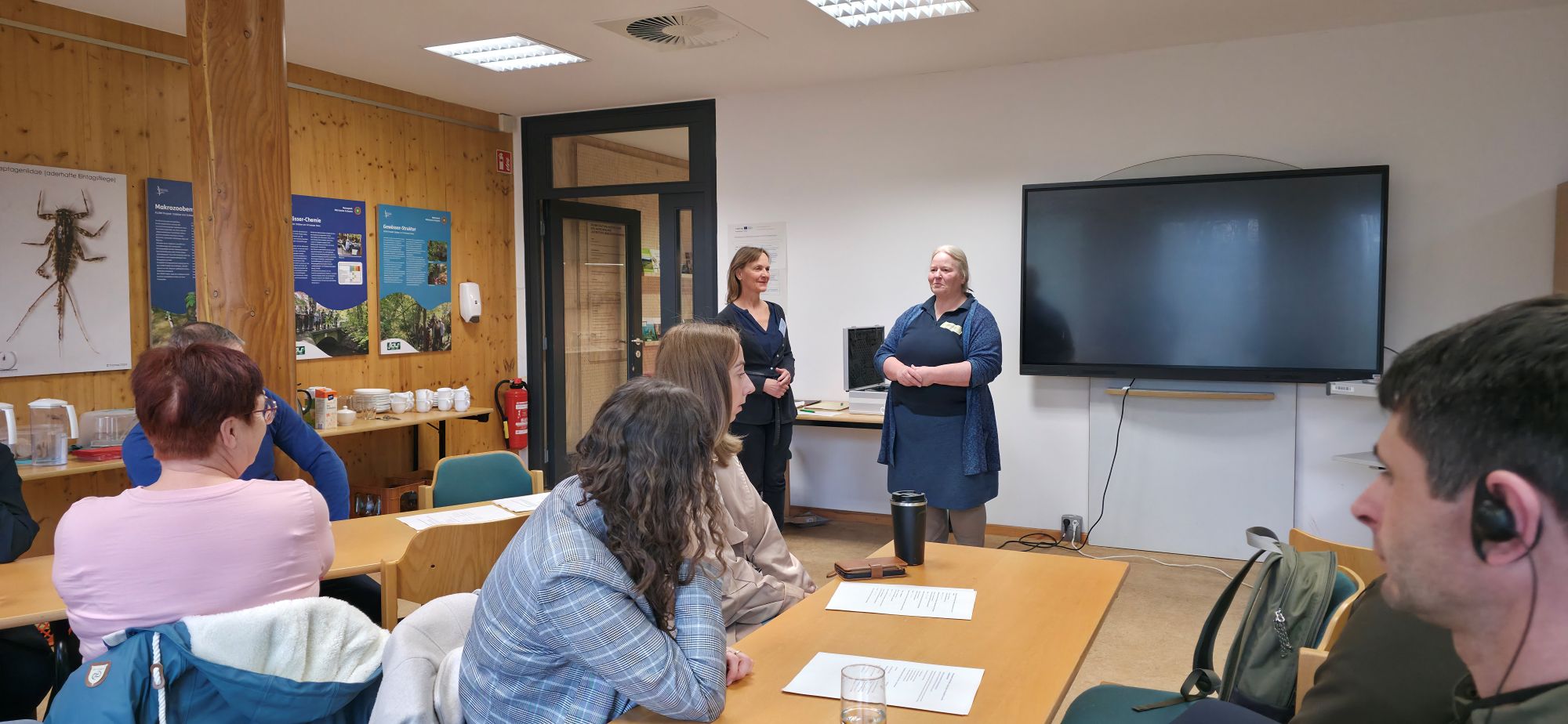
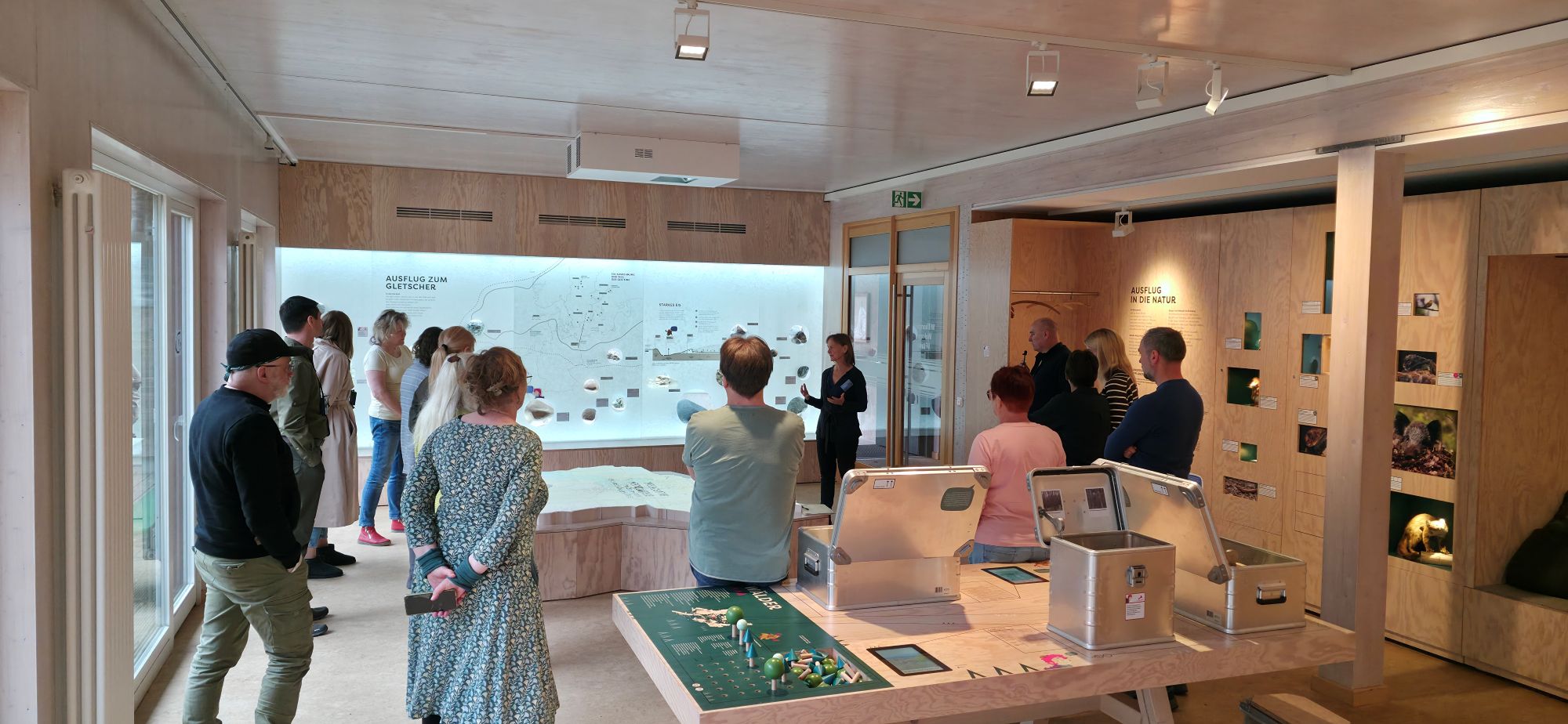
Connected together: Kick-off for Oder-Warthe InfoNet, Seelow
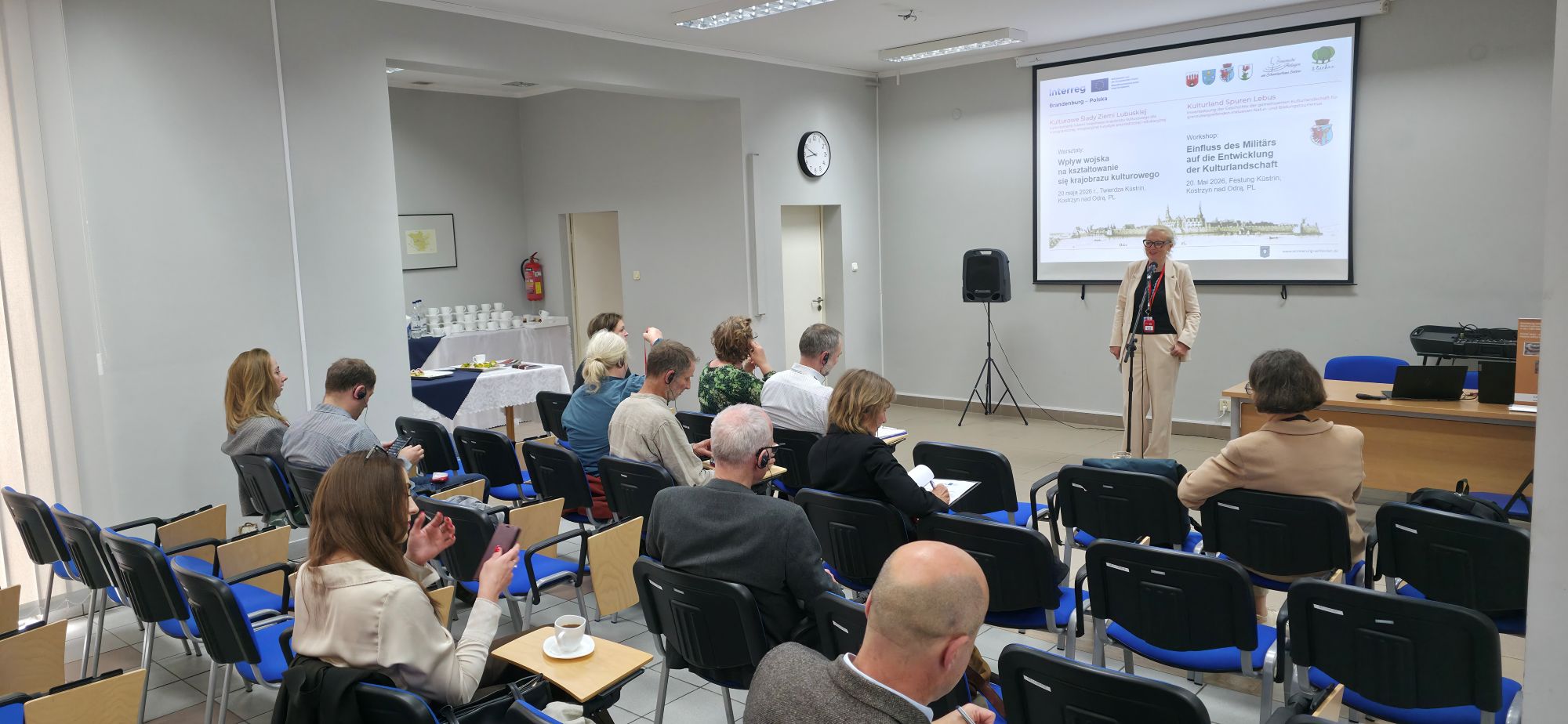
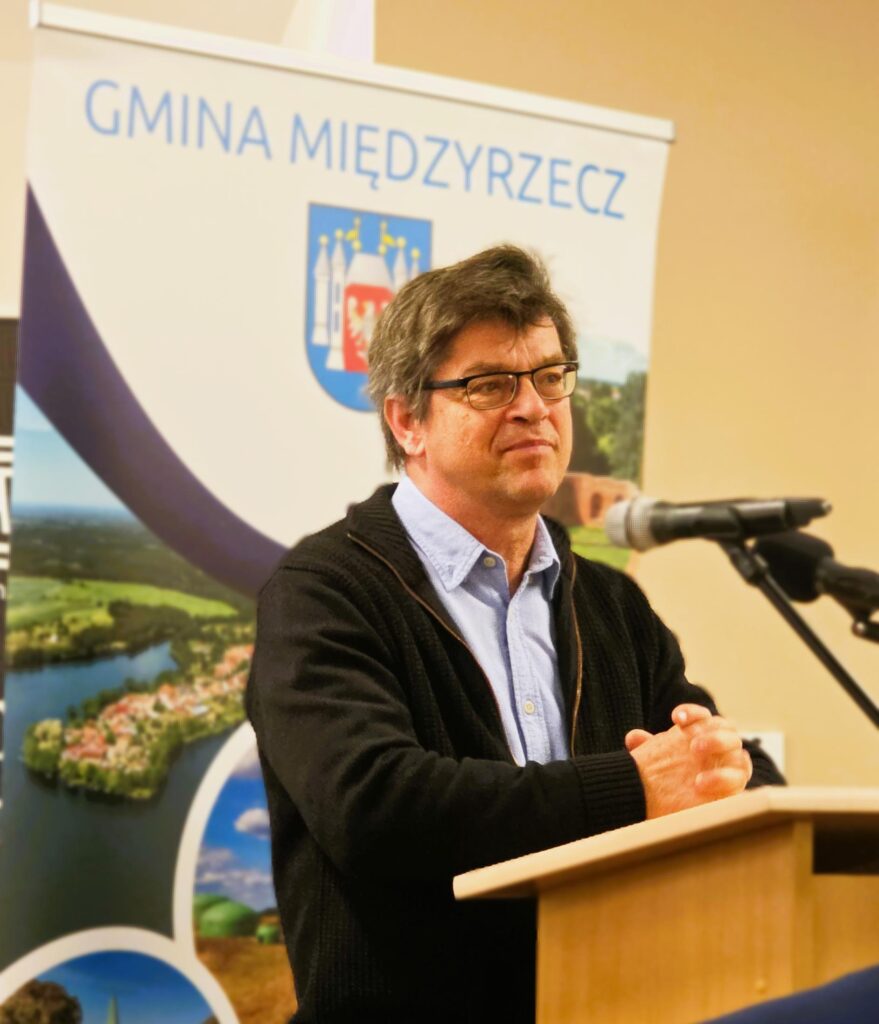
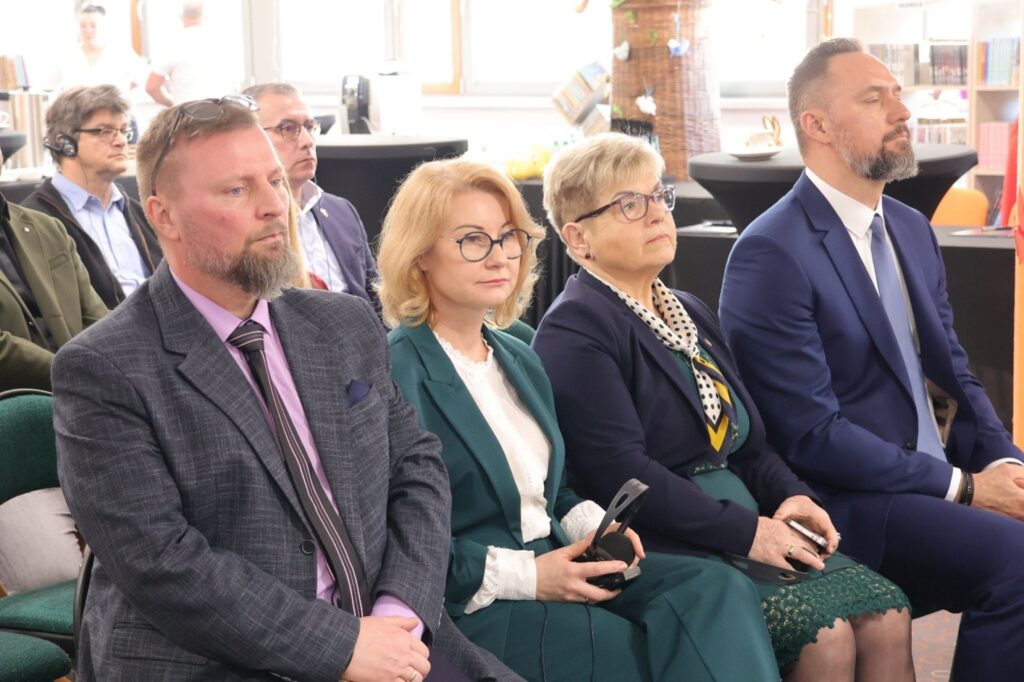
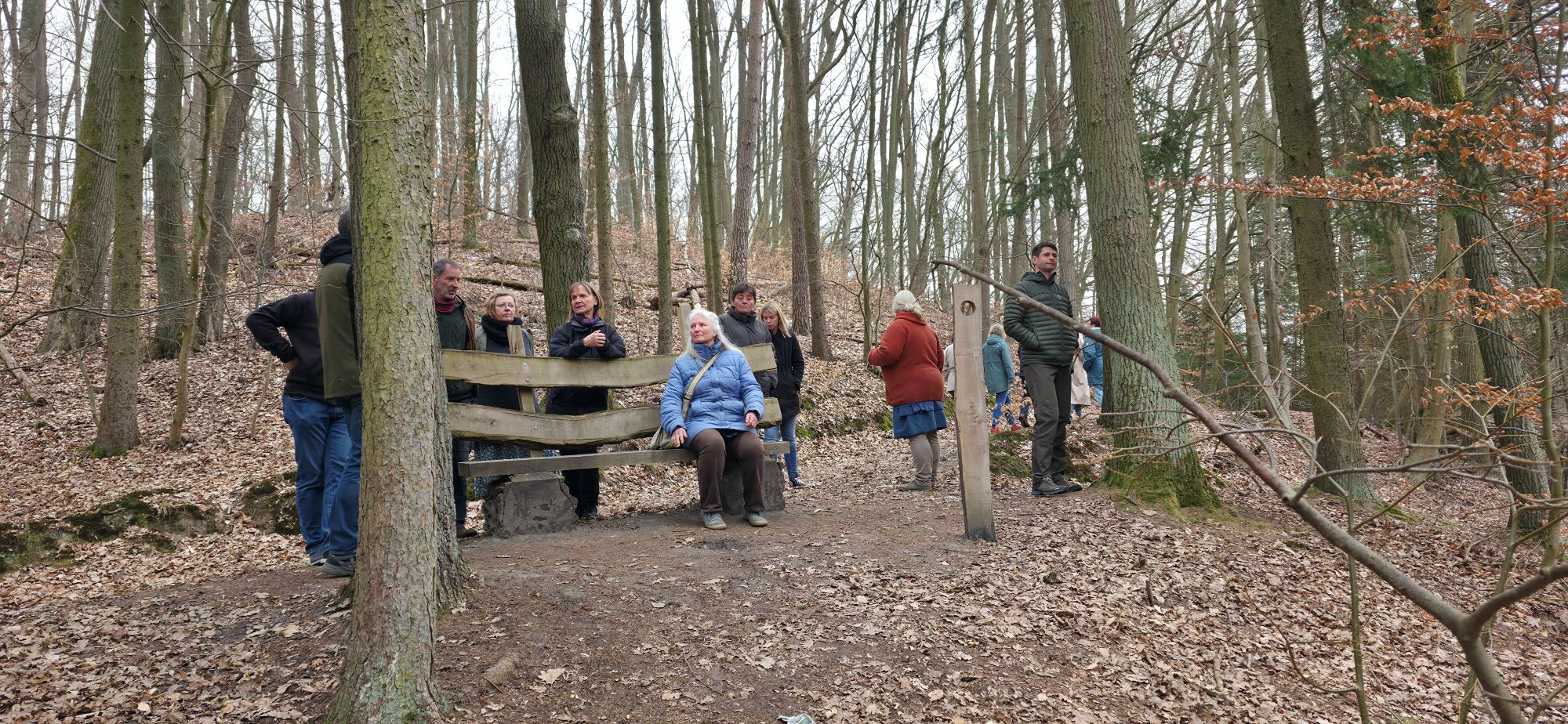
With the German-Polish kick-off conference at the Schweizerhaus Seelow on September 23, 2026, the „Oder-Warthe InfoNet“ project officially entered the joint working phase. Around 30 participants from the participating municipalities, tourism organizations, and administrations came together to coordinate goals, locations, and next steps for a modern, cross-border information landscape.