
Fates in the Nazi justice system
From 1940 to 1945, the prison served as a detention centre for members of the Wehrmacht. Sentences included desertion, disobedience, homosexuality, subversion of military power, theft, unauthorised removal, self-mutilation and murder.
The Anklam Wehrmacht prison began operating as a prison for military justice on 25 November 1940. The prisoners were male members of the Wehrmacht who had been sentenced by the courts, remand prisoners or prisoners in transit from Wehrkreise I, II and XX, Luftgauen I and XI, the Baltic Sea area of the navy and Army Group North.
In at least 139 cases, the Anklam prison can be shown to have applied the Special War Criminal Law Ordinance, which was linked to the imposition of the death penalty. The sentences of those not sentenced to death varied greatly. Among them, however, the prison routine or their labour assignments in the city and its surroundings were similar. The structures of the Anklam Wehrmacht prison were maintained until the last days of April 1945. Executions and pardons of death sentences were still being carried out on 26 April 1945.
The shifting front line of the Soviet army, with a major advance towards the north of Germany, took place between 27 and 28 April 1945. On the night of 29 April 1945, the Allies entered Anklam. It was to be the day of the last major battle for Anklam. The town (70-80%) was almost completely destroyed by bombing, shelling and arson by German and Allied troops.
Alarm units were still deployed in the prison against the Soviet army. The guards set off with a group of prisoners on an evacuation march to the west on 28 April 1945. Two days later, the column had marched through Tribsees and continued on towards Bad Sülze. This unit was picked up on the morning of 1 May 1945. (Source reference: Das Anklamer Wehrmachtgefängnis, Schwerin 2021, published by the Mecklenburg-Vorpommern State Centre for Political Education)
The former Wehrmacht prison is part of Anklam's museum landscape and its content is designed together with the „Centre for Peace Work - Otto Lilienthal - Hanseatic City of Anklam“ foundation.
The main topics for visitors are guided tours and workshops on the history of the site and its surroundings, military justice and democracy, everyday life and biographies of the prisoners. The death cell section of the building, which was set up as a memorial in the 1960s, is open to the public as a place of remembrance and as part of a museum visit.
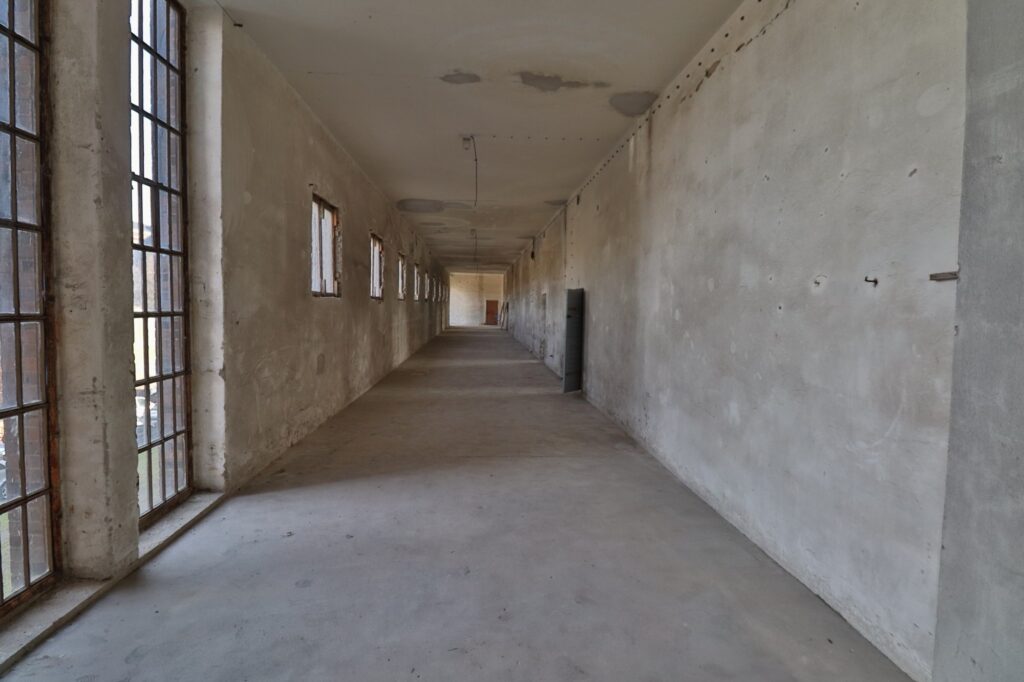 Interior view of cell corridor, 2025 (0393 ©Peer Wittig)
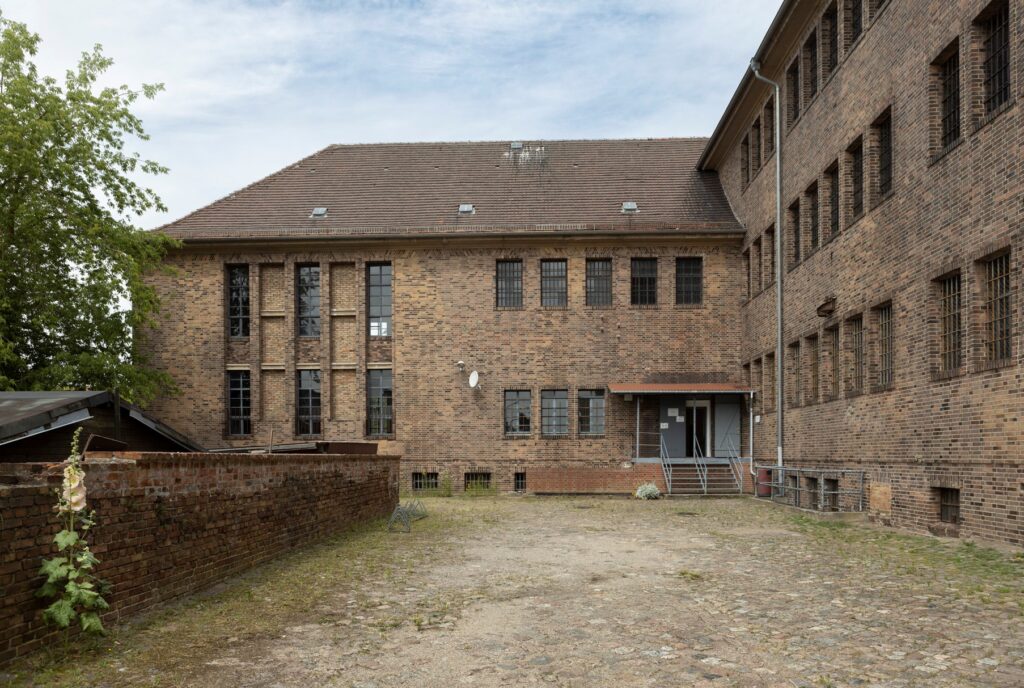 Exterior view of long building with extension, 2022 (586A6473 ©Photo Hendrik Lietmann,
State Centre for Political Education MV)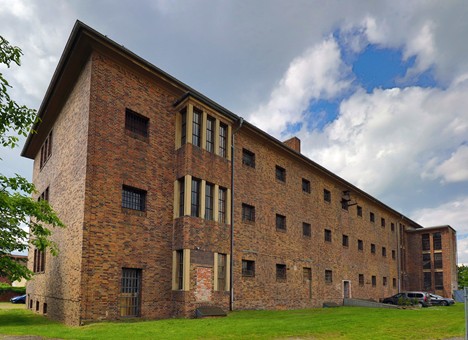 Back of long building, 2025 (0191re2 ©Peer Wittig)
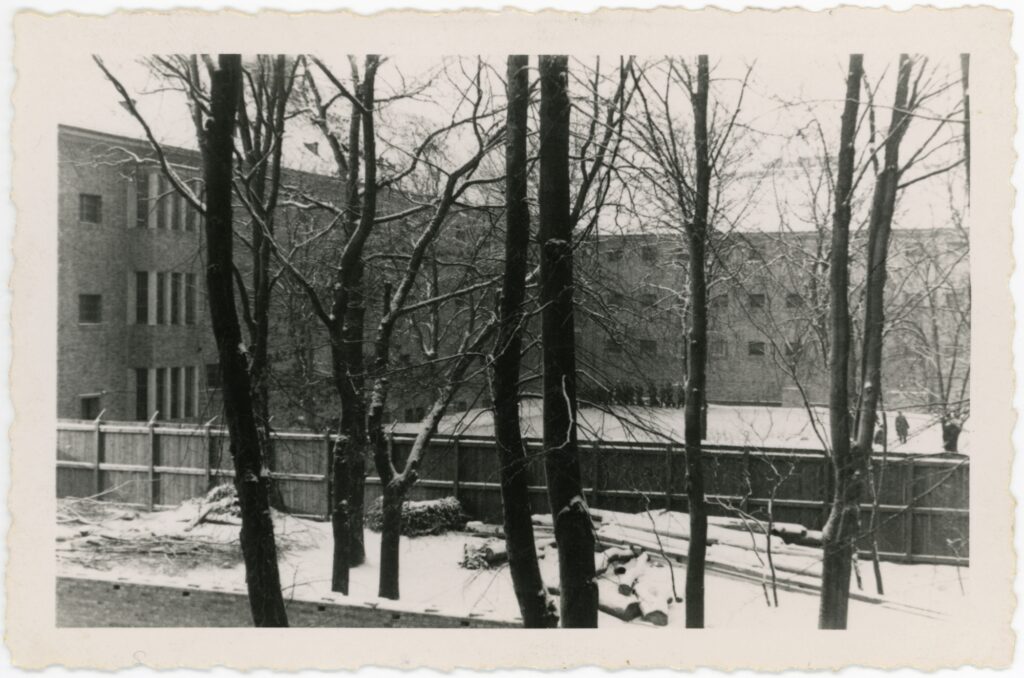 Historical exterior view of the long building at the time it was used
without date, Archive Museum
The story of the museum as an audio contribution.
(Language: German)
(Language: English)
(Language: Polish)


Leave a Reply